
Simple Ways to Figure Out What’s Going On With Your Cart
Is Your Vape Cart Burnt or Just Clogged? How to Tell What to Do Next

Written by
Treehouse Cannabis
Is Your Vape Cart Burnt or Just Clogged? How to Tell What to Do Next

Your vape cart just hit weird, and now you're wondering if it's done for or just needs some TLC. This guide is for anyone dealing with a questionable cart who wants to figure out what's wrong before tossing it. If you ever want in-person guidance, the team at Treehouse Cannabis is always happy to help walk through cart care, hardware basics, and general troubleshooting questions.
If you’re new to this topic, we previously broke down Why Your Cart Tastes Burnt—and How to Fix It. This guide builds on that foundation by helping you diagnose what’s happening now and decide what to do next.
When your vape cart tastes burnt or won't hit properly, it could be a clogged airway, burnt coil, or something else entirely. We'll walk you through how to tell the difference right away, what fixes you can try before giving up on the cart, and when it's actually time to let that cart go.
How to Tell the Difference Right Away
What a Burnt Cart Usually Tastes Like
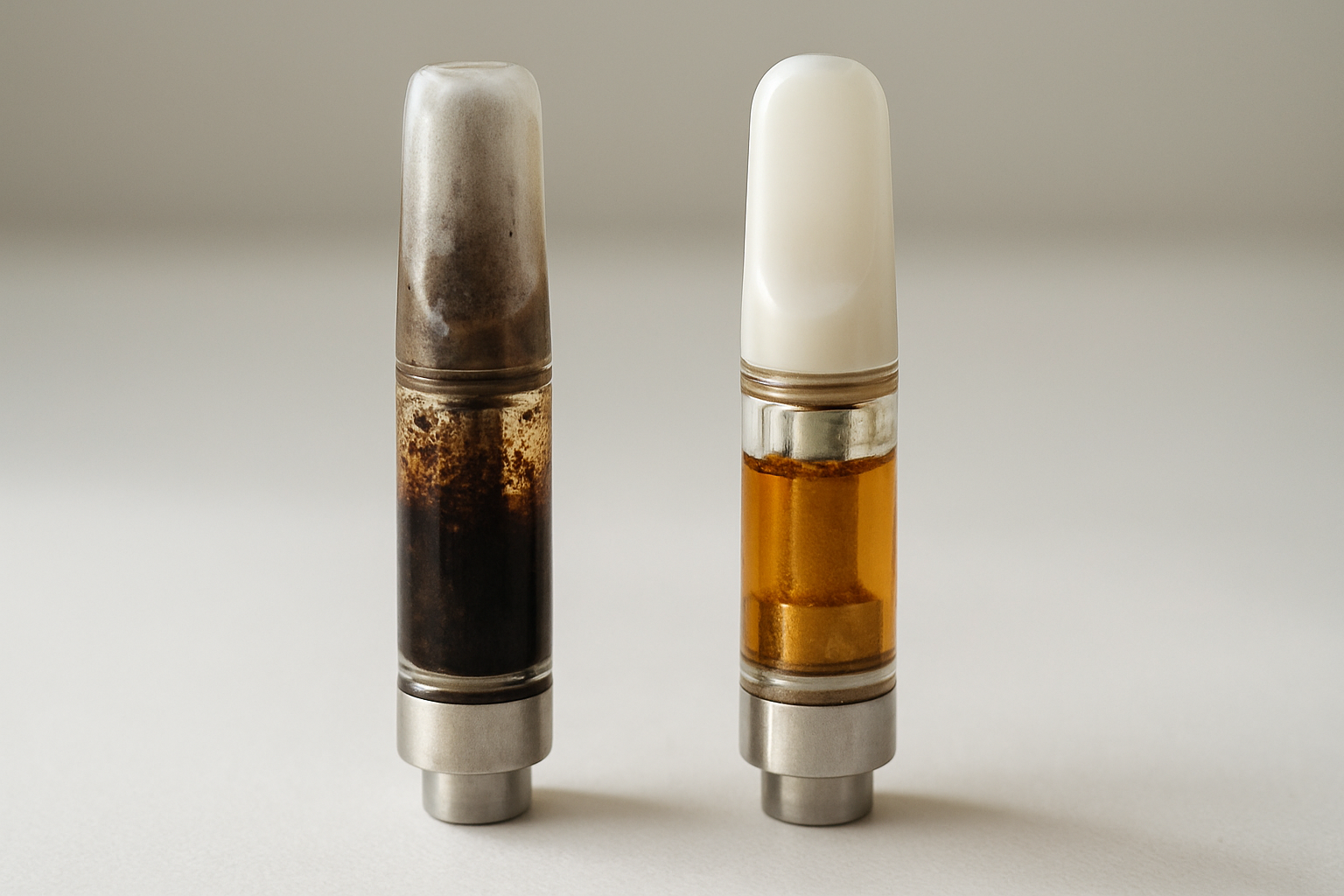
When your vape cart is burnt, the taste is unmistakably harsh and unpleasant. The most common descriptor is a charred or acrid flavor that hits your palate immediately upon inhaling. This burnt taste often resembles the flavor of overcooked food or burnt paper, creating an experience that's both bitter and metallic. The vapor itself may feel dry and scratchy against your throat, causing immediate discomfort or coughing.
A burnt cart typically produces vapor that tastes significantly different from the intended flavor profile of your concentrate. Instead of smooth, flavorful hits, you'll experience a consistently harsh, burnt flavor that doesn't improve with continued use. The taste often lingers in your mouth long after exhaling, leaving an unpleasant aftertaste that can be difficult to eliminate.
What a Clogged Cart Typically Feels Like
A clogged cart presents entirely different sensations during use. The primary indicator is increased resistance when drawing from the mouthpiece, requiring significantly more effort to pull vapor through the device. This resistance feels similar to trying to drink a thick milkshake through a narrow straw – the airflow is restricted, making each draw laborious.
With a clogged cart, you may notice that the vapor production is minimal despite the increased effort required to draw. The hits often feel weak or unsatisfying, and you might hear gurgling or bubbling sounds as you attempt to inhale. Unlike a burnt cart, the flavor usually remains intact when you do manage to get vapor, though the overall experience feels blocked or restricted.
Signs You're Dealing With One or the Other
Several clear indicators can help you distinguish between these two common issues. For burnt carts, visual inspection often reveals darkened or blackened oil, particularly around the heating element area. The coil may appear visibly damaged or discolored, and the oil consistency might seem thicker or more viscous than normal.
Clogged carts, conversely, typically show blockages in the airflow path or mouthpiece. You might observe oil buildup around the mouthpiece opening or notice that the oil appears normal in color and consistency but simply isn't flowing properly through the system. Temperature can also be a factor – clogged carts often improve temporarily when warmed, while burnt carts maintain their harsh taste regardless of temperature adjustments.
What You Can Try Before Giving Up on the Cart
Simple Steps That May Help Clear a Clog
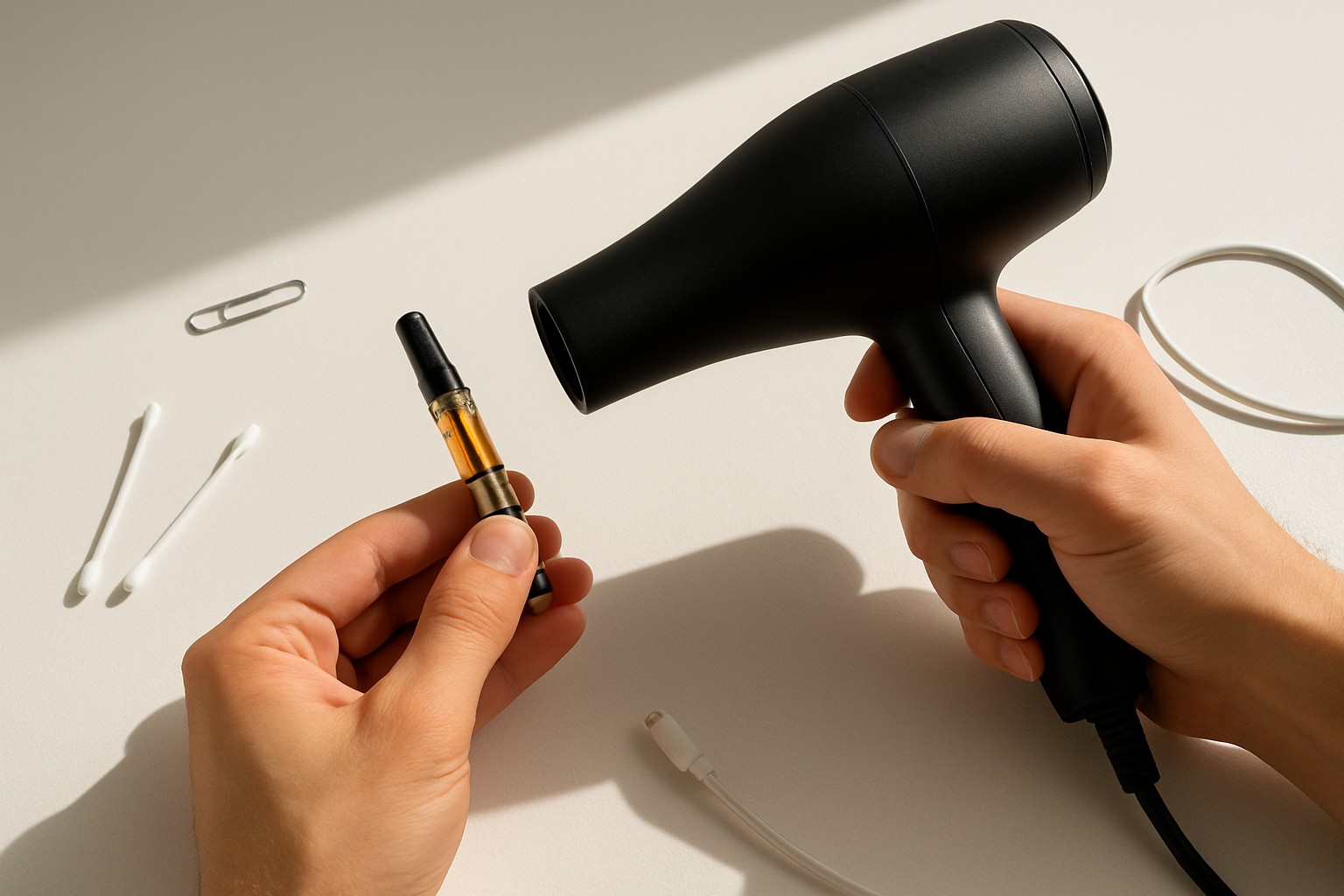
Before declaring your vape cartridge completely unusable, several straightforward techniques can often restore proper functionality. Start by gently warming the cartridge between your palms for 30-60 seconds. This heat helps thin any thickened oil that may be blocking the airflow pathways. The warmth makes the viscous concentrate more fluid, allowing it to move away from critical airflow channels.
Remove the cartridge from your battery and inspect the connection points for any visible residue buildup. Clean both the cartridge threads and battery connection using a cotton swab lightly dampened with isopropyl alcohol. This removes accumulated oils and debris that can interfere with proper electrical contact and airflow.
Check the mouthpiece for obstructions by looking through it toward a light source. Sometimes, hardened concentrate creates a visible blockage that you can address by gently tapping the cartridge mouthpiece-down on a soft surface. This simple gravity-assisted technique often dislodges minor clogs without damaging internal components.
Store your cartridge upright at room temperature for several hours before attempting to use it again. Temperature fluctuations can cause oil to shift and settle in ways that temporarily block airflow paths.
When Adjusting Your Draw Can Make a Difference
Your inhalation technique plays a crucial role in maintaining optimal cartridge performance and preventing future clogs. Many users instinctively take rapid, forceful draws when experiencing reduced vapor production, but this approach often worsens the situation by creating pressure imbalances within the cartridge.
Instead, practice slow, steady draws that last 3-5 seconds. This measured approach allows the heating element sufficient time to properly vaporize the concentrate without creating vacuum pressure that can pull unvaporized oil into airflow channels. Consistent, gentle inhalation maintains proper air circulation and prevents the suction that often leads to clogs.
Take shorter sessions with longer breaks between draws. Continuous heavy usage can cause the internal components to overheat, leading to oil consistency changes that promote blockages. Allow 30-60 seconds between draws to let the cartridge cool and the oil return to its optimal viscosity.
Adjust your battery's voltage settings if available. Lower voltage settings reduce the risk of overheating the oil, which can create thick residues that contribute to airflow restrictions. Many cartridge issues resolve simply by reducing power output and allowing for more gradual heating.
Why Patience Matters More Than Force
Aggressive troubleshooting attempts often transform minor, fixable issues into permanent cartridge damage. Forcing air through a clogged cartridge by blowing into the mouthpiece can push oil deeper into internal mechanisms, creating more severe blockages that resist standard clearing techniques.
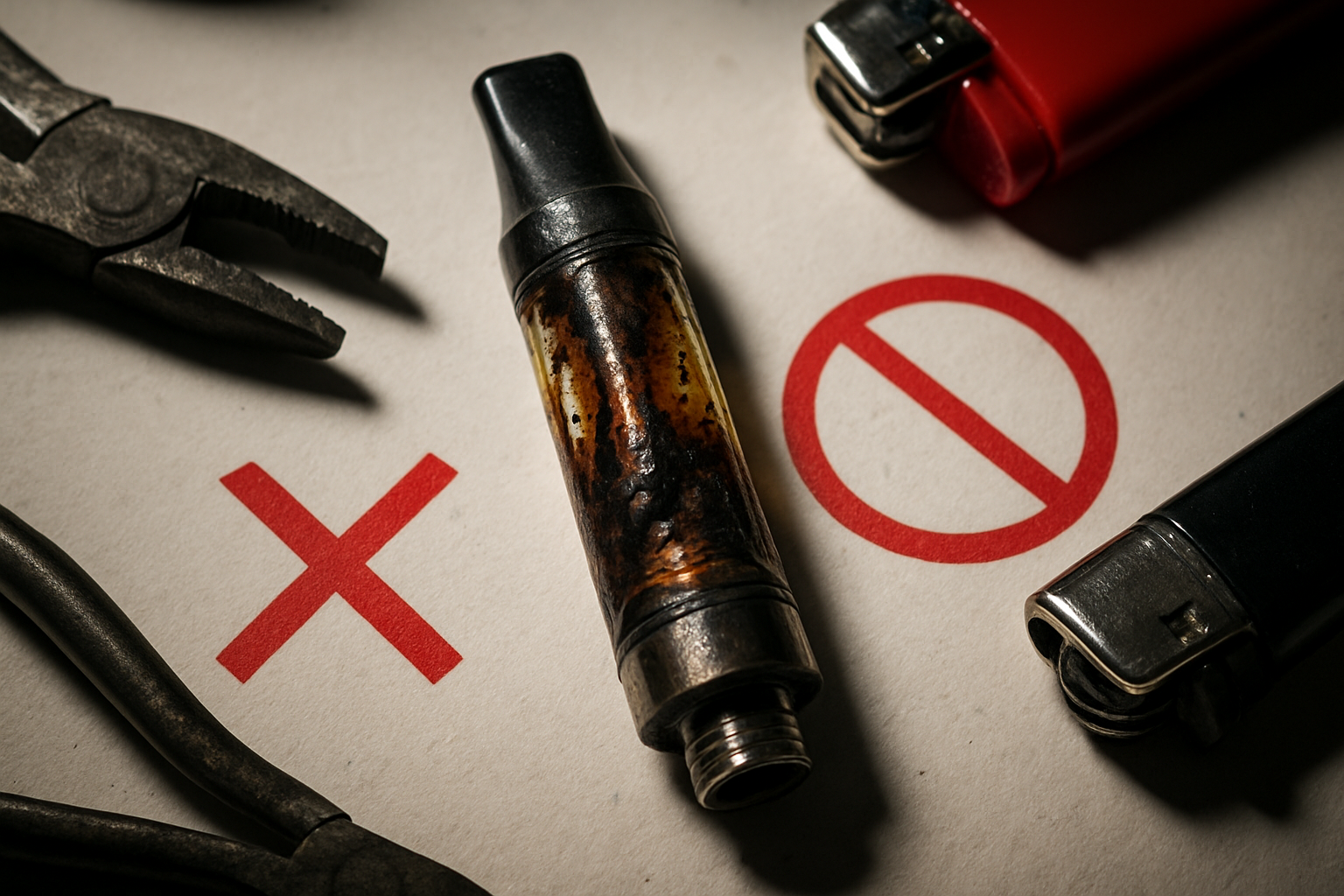
Avoid using sharp objects like paperclips or needles to clear obstructions. These tools can puncture delicate internal seals, compromise heating elements, or create additional pathways for oil to leak into areas where it doesn't belong. What appears to be a simple mechanical fix often results in irreparable damage to the cartridge's internal architecture.
Resist the temptation to apply excessive heat using external sources like hair dryers or lighters. While gentle warming helps, intense heat can damage rubber seals, alter oil chemistry, or even cause cartridge components to expand beyond their design tolerances.
Allow clearing techniques time to work before moving to more intensive methods. Many clogs resolve naturally when given adequate time and proper storage conditions. Rushing the process or attempting multiple fixes simultaneously makes it difficult to identify what actually works and increases the risk of causing additional problems.
The most effective approach combines minimal intervention with strategic patience, recognizing that cartridges are precision devices designed to function optimally under specific conditions rather than withstand forceful troubleshooting attempts. If you’re unsure whether a cart can be saved or it’s time to move on, stopping by or contacting Treehouse Cannabis to ask a few questions can help you make the call with confidence.
What Not to Do When a Cart Tastes Off
Why Turning Up the Heat Often Backfires
When your vape cart starts delivering harsh or burnt flavors, the instinctive response might be to increase the temperature settings, thinking this will somehow burn through whatever's causing the problem. However, this approach typically creates more issues than it solves. Higher temperatures accelerate the degradation of both the oil and the heating element, transforming what might have been a salvageable situation into irreversible damage.
Excessive heat causes the remaining oil to burn rather than vaporize properly, creating those acrid, throat-burning flavors that make vaping unpleasant. Additionally, cranking up the voltage can overwhelm an already struggling coil, pushing it past its optimal operating range and causing permanent damage to the heating element.
The Problem With Trying to "Power Through" Bad Flavor
Many users make the mistake of continuing to use a cart that's producing off-flavors, hoping the taste will somehow improve with continued use. This persistence often stems from not wanting to waste the remaining oil, but this approach frequently makes the situation progressively worse.
Continuing to draw from a problematic cart can compound existing issues. If the cart is partially clogged, repeated attempts to draw through the blockage can create additional buildup. When dealing with a burnt coil, each subsequent hit further degrades the heating element, intensifying the harsh flavors.
Quick Fixes That Usually Make Things Worse
Several common "solutions" that users attempt can actually exacerbate cart problems rather than resolve them. Blowing into the cart to clear potential blockages can introduce moisture and contaminants, while also potentially damaging delicate internal components. Similarly, using sharp objects like paperclips or needles to clear airflow holes risks damaging the cart's structure or pushing debris deeper into the system.
Another problematic approach involves exposing carts to extreme temperatures, such as using hair dryers or placing them in freezers. These temperature shocks can cause expansion and contraction that damages seals, creates leaks, or affects the oil's consistency in unpredictable ways.
Knowing When It’s Time to Let the Cart Go
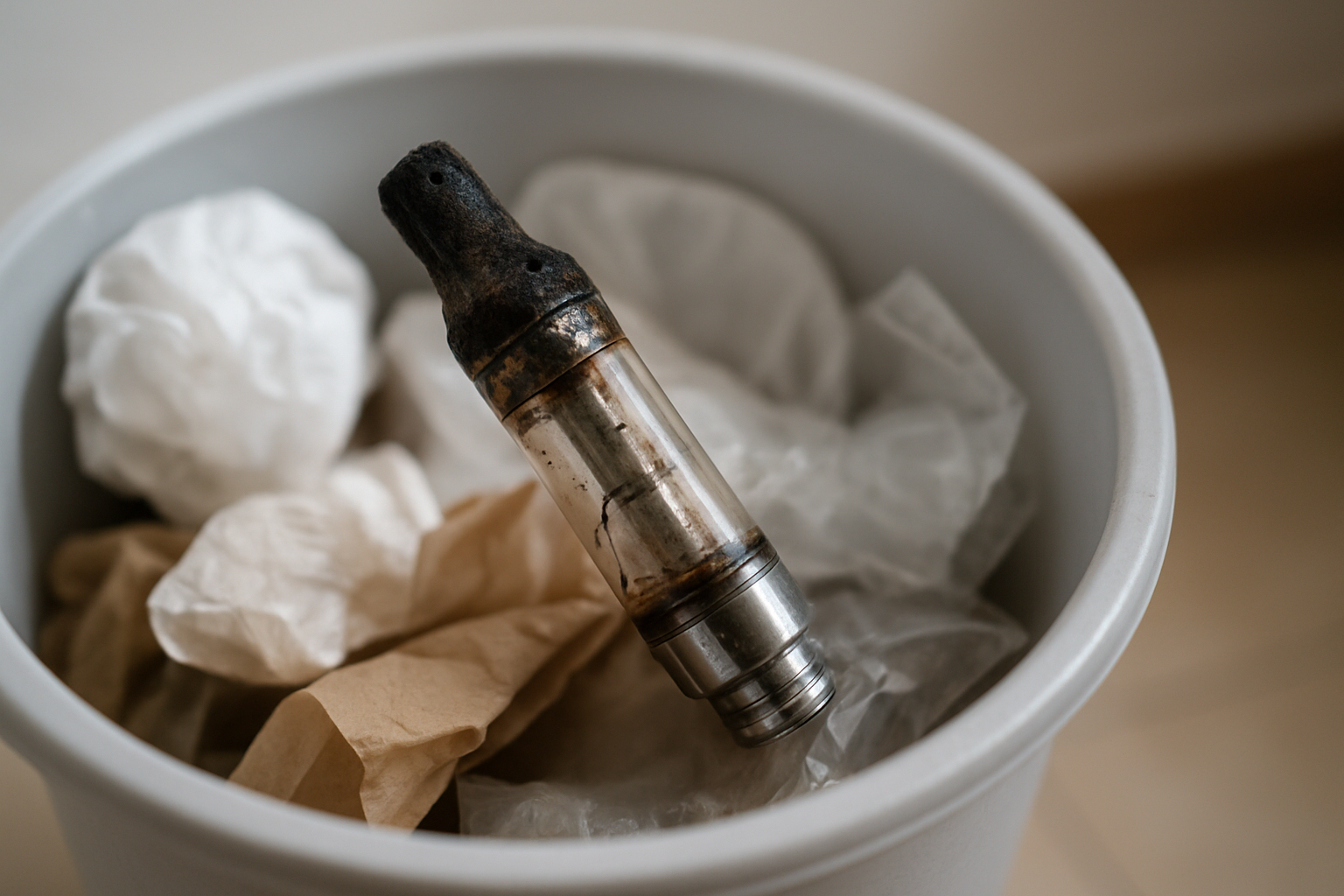
When Burnt Flavor Means Permanent Damage
Once you taste that unmistakable burnt flavor, the damage has already happened. The cotton wick inside your cartridge has been exposed to excessive heat, causing it to char and break down. This creates a permanent alteration in the material that no amount of cleaning or cooling can reverse.
The burnt taste comes from degraded oil and damaged wicking material mixing with your remaining concentrate. Even if you manage to get the cart working again temporarily, this residue will continue to affect flavor and performance over time. The flavor profile becomes permanently compromised, often leaving a harsh, acrid aftertaste that masks the original terpenes.
Temperature damage also affects the heating element itself. Coils that have been overheated lose their ability to distribute heat evenly, creating hot spots that will burn your oil again in the future. Internal components can shift slightly, changing resistance and making consistent vaporization nearly impossible.
Why Some Carts Cannot Be Recovered
Certain types of cartridge damage go beyond simple clogs or temporary malfunctions. When the ceramic or cotton wicking material becomes saturated with burnt oil residue, it creates a permanent barrier that prevents proper oil flow and heat distribution.
Manufacturing quality plays a huge role in recoverability. Some cartridges use thinner wicking materials that burn through completely when overheated. These materials lack the density and heat resistance found in more robust hardware designs, making them difficult to recover once damaged.
Oil viscosity also determines whether a cart can bounce back. Thick, poorly refined oils leave more residue when they burn, creating stubborn blockages that resist most cleaning attempts. Higher-quality distillates typically leave less residue and may allow for better recovery, but even then, burnt wicks remain damaged.
The internal design matters too. Cartridges with multiple air holes or complex airflow systems often trap residue in hard-to-reach places. This buildup continues to affect taste and performance even after the main blockage is cleared.
How to Avoid the Same Issue Next Time
Prevention starts with understanding your device's power settings. Most cartridges work best between 2.0–3.2 volts, but many users crank their batteries to maximum without checking compatibility. Start low and gradually increase voltage until you find the sweet spot for vapor production without burning.
Storage makes a massive difference in cart longevity. Keep your cartridges upright whenever possible to prevent oil from pooling around the coil. Extreme temperatures affect both the oil and the hardware, so avoid leaving carts in hot cars, direct sunlight, or freezing conditions.
Take shorter, gentler draws instead of long, hard pulls. Aggressive inhaling creates negative pressure that can flood the coil or pull oil into areas where it doesn't belong. Give your cart time to recover between hits, especially if you're chain vaping.
| Prevention Method | Why It Works | How Often |
|---|---|---|
| Check voltage settings | Prevents overheating | Before each session |
| Store upright | Maintains proper oil flow | Always |
| Gentle draws | Reduces flooding risk | Every hit |
| Allow cooldown time | Reduces excess heat build up | Between hits |
Regular maintenance helps catch problems early. Wipe down the connection points weekly and check for any visible oil leaks or discoloration. Clean the mouthpiece regularly since buildup there often indicates issues developing inside the cartridge.

Knowing whether your vape cart is burnt or simply clogged can save you money and prevent a disappointing vaping experience. By recognizing the telltale signs like harsh, acrid tastes versus restricted airflow, you can take the right steps to either fix the issue or know when it's time to move on. Simple troubleshooting methods like gentle warming, clearing clogs, and checking your battery settings can often restore a cart that seems problematic.
Remember that some issues are beyond repair, and continuing to use a genuinely burnt cart can be unpleasant and unlikely to improve over time. When you've tried the safe fixes and the cart still delivers poor flavor or harsh hits, it's better to invest in a new one. Taking care of your vape carts with proper storage and usage habits will help you get the most out of each purchase, and when questions come up, the Treehouse team is always there to help.


Shop our products

Shop All

Flower

Pre-rolls
Vaporizers

Edibles
Drinks

Concentrates
Tinctures

Topicals

CBD

Pet CBD

Accessories