
A closer look at terpinene’s aroma, natural sources, and presence in cannabis
What Is Terpinene in Cannabis? An Educational Overview

Written by
Treehouse Cannabis
What Is Terpinene in Cannabis? An Educational Overview

Cannabis contains dozens of terpenes that shape each strain's unique aroma, and flavors. Among these compounds, terpinene stands out for its bright citrusy scent. This naturally occurring terpene appears in familiar plants like tea tree, marjoram, and citrus fruits, bringing its fresh, herbal qualities to select cannabis strains. At Treehouse, terpene education is a key part of helping consumers better understand what gives each cannabis variety its unique sensory profile.
This guide is perfect for cannabis enthusiasts, and anyone curious about the science behind their favorite strains. You'll discover what makes terpinene special compared to other cannabis terpenes and learn to identify its distinctive characteristics.
We'll explore terpinene's natural origins and why it appears in certain plants, examine its signature citrus-forward aroma and taste profile, and highlight popular cannabis strains where you can experience this terpene firsthand.
Understanding Terpinene and Its Natural Sources
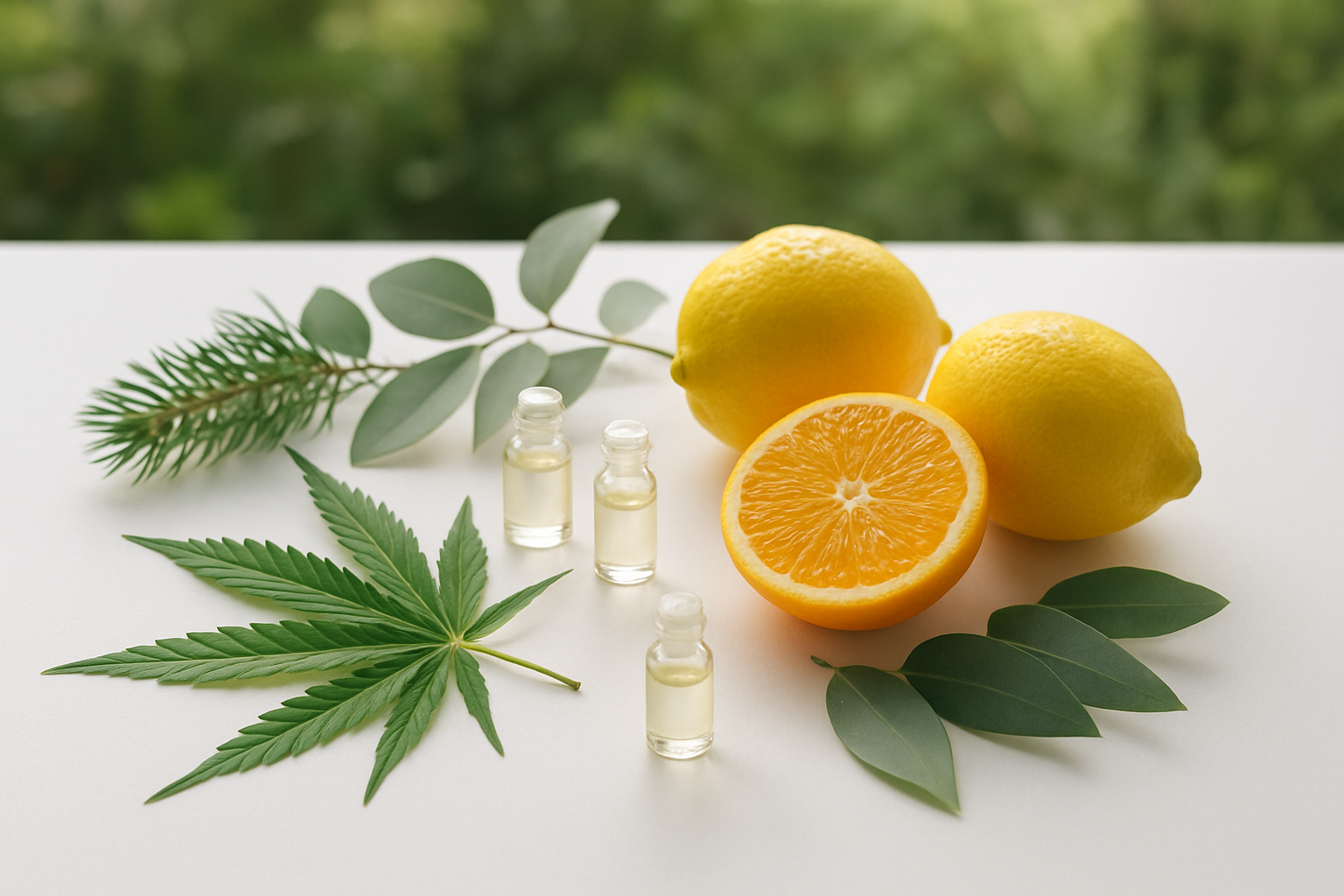
What terpinene is and its isomeric forms (alpha and gamma)
Terpinene represents a fascinating group of isomeric terpenes that play crucial roles in the aromatic profiles of numerous plants, including cannabis. These compounds are chemically classified as 1-Isopropyl-4-methyl-1,4-cyclohexadiene, belonging to the monoterpene family that contributes significantly to the sensory experiences we encounter in nature.
The terpinene family primarily consists of two notable isomeric forms: alpha-terpinene and gamma-terpinene. These isomers share the same molecular formula but differ in their structural arrangements, which results in distinct aromatic characteristics. Both forms are naturally occurring compounds that demonstrate remarkable versatility in their distribution across various plant species.
In the context of cannabis, both alpha-terpinene and gamma-terpinene serve as important contributors to the plant's complex terpene profile. Their presence is particularly notable in cannabis strains that exhibit bright, citrusy, or herbal characteristics, where they help create the distinctive aromatic signatures that define specific cultivars. Breaking down terpene profiles in this way aligns with how Treehouse approaches cannabis education, focusing on chemistry, plant science, and transparency.
Natural occurrence in citrus fruits, herbs, and spices
The natural distribution of terpinene extends far beyond cannabis, with these compounds appearing abundantly throughout the plant kingdom. Citrus fruits serve as some of the most prominent natural sources of terpinene, contributing to the fresh, zesty aromas that characterize oranges, lemons, and other citrus varieties.
Culinary herbs and spices represent another significant category where terpinene compounds flourish. Marjoram, a beloved Mediterranean herb, contains substantial concentrations of these terpenes, contributing to its distinctive aromatic profile. Tea tree, renowned for its therapeutic applications, also harbors notable levels of terpinene, which contribute to its characteristic scent and profile.
The spice world showcases terpinene's versatility through its presence in cardamom, cumin, and allspice. These aromatic spices derive part of their complex flavor profiles from terpinene compounds, demonstrating how these molecules contribute to both culinary and cannabis across cultures.
Additionally, terpinene can be found in Litsea ceylanica, various savories (Satureja species), thyme, and oregano. This widespread occurrence highlights the evolutionary importance of these compounds in plant defense mechanisms and pollinator attraction. Interestingly, terpinene also appears in hops, creating yet another connection between cannabis and other plants used for their psychoactive or flavor-enhancing properties.
Sensory Characteristics of Terpinene
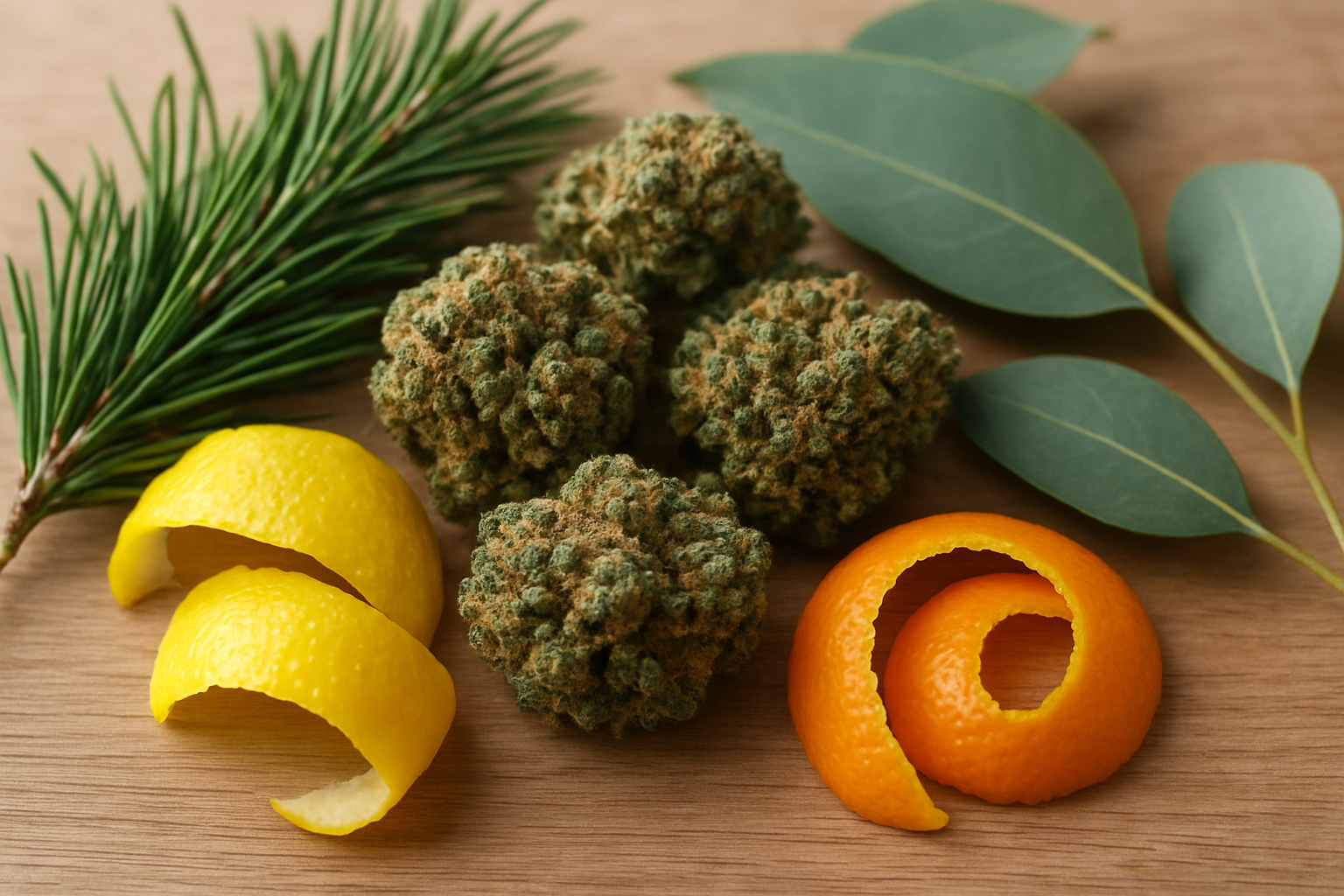
Distinctive citrusy aroma with herbal and woody undertones
Terpinene stands out in the cannabis terpene profile with its remarkably bright and fresh citrusy aroma that immediately captures the senses. This distinctive scent characteristic forms the foundation of terpinene's sensory appeal, delivering an aroma profile that sets it apart from other common cannabis terpenes. The primary citrus notes create an uplifting and energizing aromatic presence that many cannabis enthusiasts find particularly appealing. These types of aroma distinctions are often explored in Treehouse’s terpene education content, including ongoing discussions that help consumers connect scent and flavor to cannabis chemistry.
Beyond the prominent citrus foundation, terpinene reveals sophisticated layers of complexity through its subtle herbal and woody undertones. These secondary aromatic elements add depth and richness to the overall scent profile, creating a well-rounded sensory profile. The herbal notes provide an earthy, natural quality that grounds the brighter citrus elements, while the woody undertones contribute a mature, sophisticated character to the overall aromatic bouquet.
This multi-dimensional aroma profile helps explain why terpinene’s bright citrus and herbal notes are valued in discussions of scent and plant-derived aromas. The complexity of terpinene's aromatic characteristics contributes significantly to the overall sensory depth found in cannabis strains that contain higher concentrations of this remarkable terpene.
Fresh, zesty profile with subtle spicy notes
The flavor profile of terpinene directly mirrors its impressive aromatic characteristics, offering a taste that perfectly complements its distinctive scent. The fresh, zesty qualities dominate the initial taste impression, delivering the same invigorating citrus character that defines terpinene's aroma. This bright, refreshing taste creates an immediately recognizable flavor signature that cannabis connoisseurs can readily identify in terpinene-rich strains.
What makes terpinene's taste profile particularly intriguing is the presence of subtle spicy notes that emerge alongside the primary citrus flavors. These gentle spicy elements add warmth and complexity to the overall taste experience, preventing the flavor from becoming one-dimensional while maintaining the fresh, clean character that defines terpinene. The spicy undertones create a pleasant contrast to the bright citrus notes, resulting in a balanced and sophisticated flavor profile.
The herbal qualities present in terpinene's aroma also translate into its taste profile, contributing to a well-rounded flavor experience that combines the best of fresh, natural elements. This comprehensive taste profile, featuring zesty citrus, subtle spice, and herbal complexity, makes terpinene a highly valued component in cannabis strains where flavor quality and sensory profile are paramount considerations for many cannabis users.
Cannabis Strains High in Terpinene
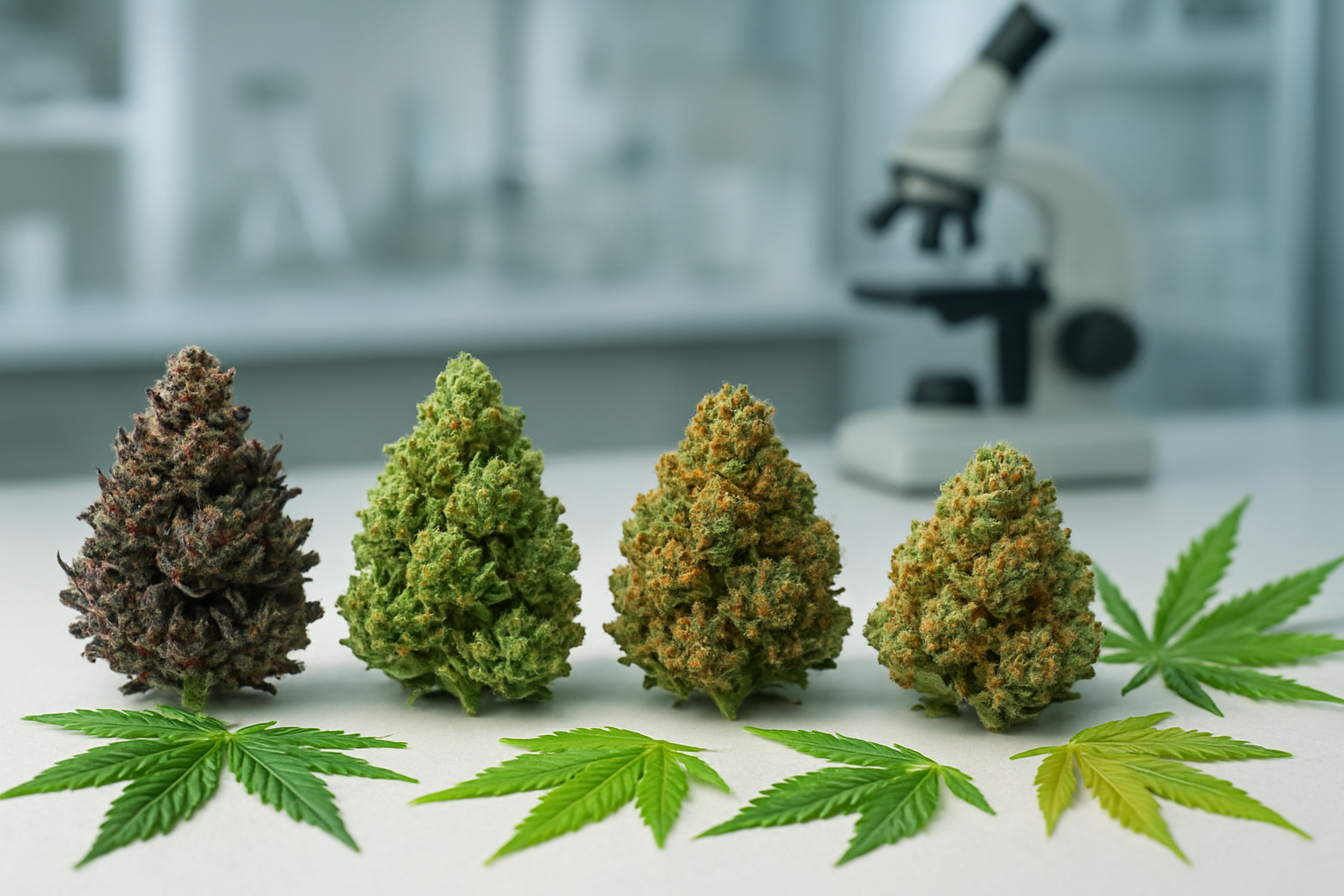
Sativa-dominant strains
Sativa-dominant cannabis varieties showcase some of the most prominent terpinene profiles in the cannabis world, offering users distinctive aromatic profiles.
Jack Herer stands as a legendary strain in the cannabis community, renowned for its fresh, herbal notes. This strain's terpinene content contributes to its distinctive aromatic profile, creating a complex bouquet that has made it a strain that cannabis brands constantly bring back.
Tangie features bright citrus and sweet notes that create an immediately recognizable sensory profile. This strain demonstrates how terpinene can shine through that fruity scent profile we all know it for.
Pure sativa options
Durban Poison features earthy and citrusy tones that contribute to its profile. As a landrace strain from South Africa, Durban Poison showcases how terpinene naturally occurs in cannabis genetics, providing aromatic complexity.
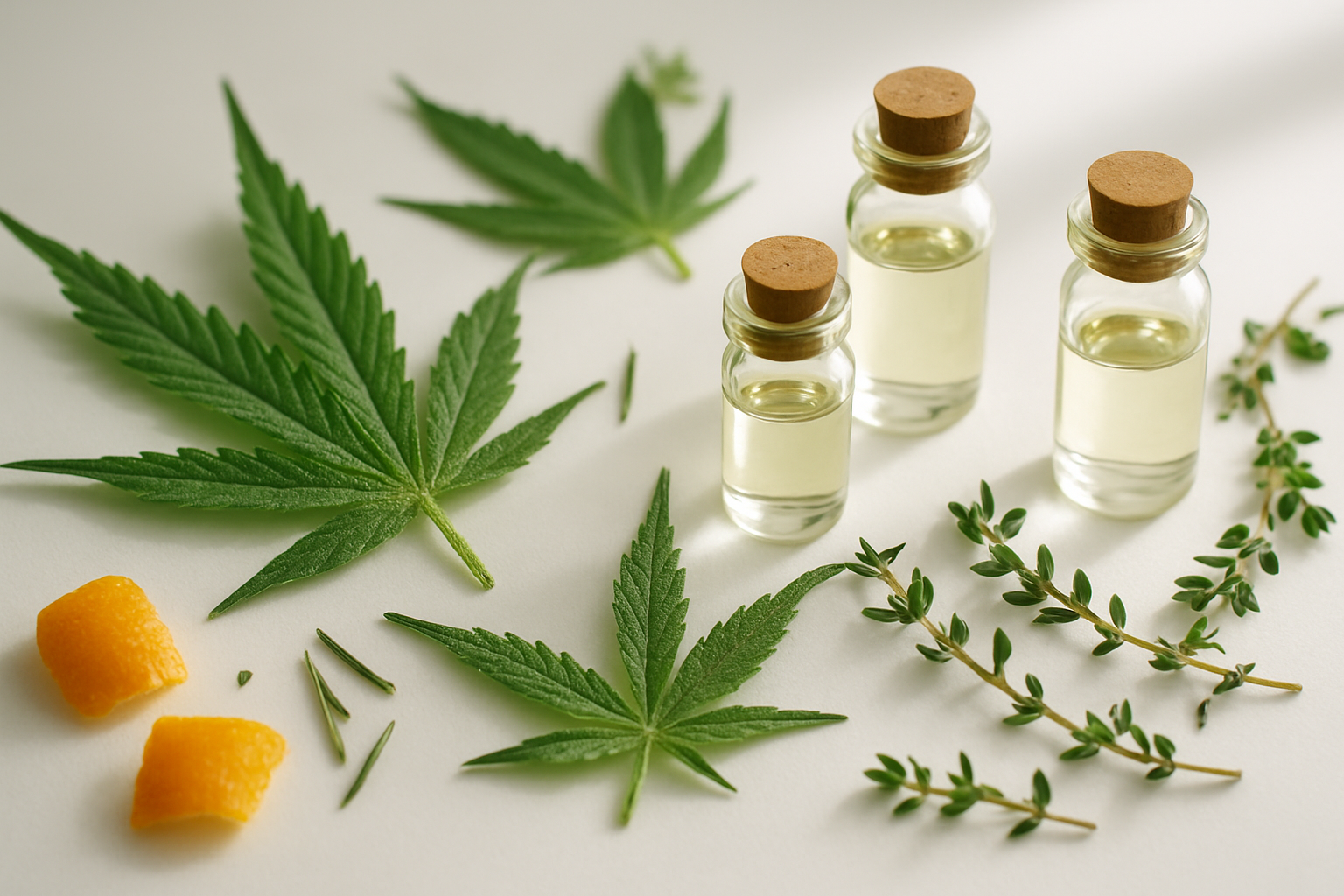
Terpinene stands out as a fascinating terpene found naturally in cannabis, citrus fruits, herbs like thyme and marjoram, and many other plants. With its distinctive citrusy, herbal aroma and slightly spicy profiles, terpinene contributes significantly to the sensory profile of cannabis consumption.
Understanding terpenes like terpinene adds important context to how aroma and flavor develop across different cannabis varieties. By looking at its natural origins, chemical structure, and sensory characteristics, consumers can build a more informed perspective on cannabis beyond strain names alone. This type of education, including ongoing terpene discussions shared through Treehouse’s educational content and Terp Talk Tuesday with Greg, reflects a broader effort to make cannabis knowledge more accessible, research-based, and grounded in transparency.



Shop our products

Shop All

Flower

Pre-rolls

Vaporizers

Edibles

Drinks

Concentrates

Tinctures

Topicals

CBD

Pet CBD

Accessories