

What myrcene is, where it shows up, and why its scent feels so familiar
Understanding Myrcene: The Aromatic Terpene Found Across Nature and Cannabis

Written by
Treehouse Cannabis
Understanding Myrcene: The Aromatic Terpene Found Across Nature and Cannabis
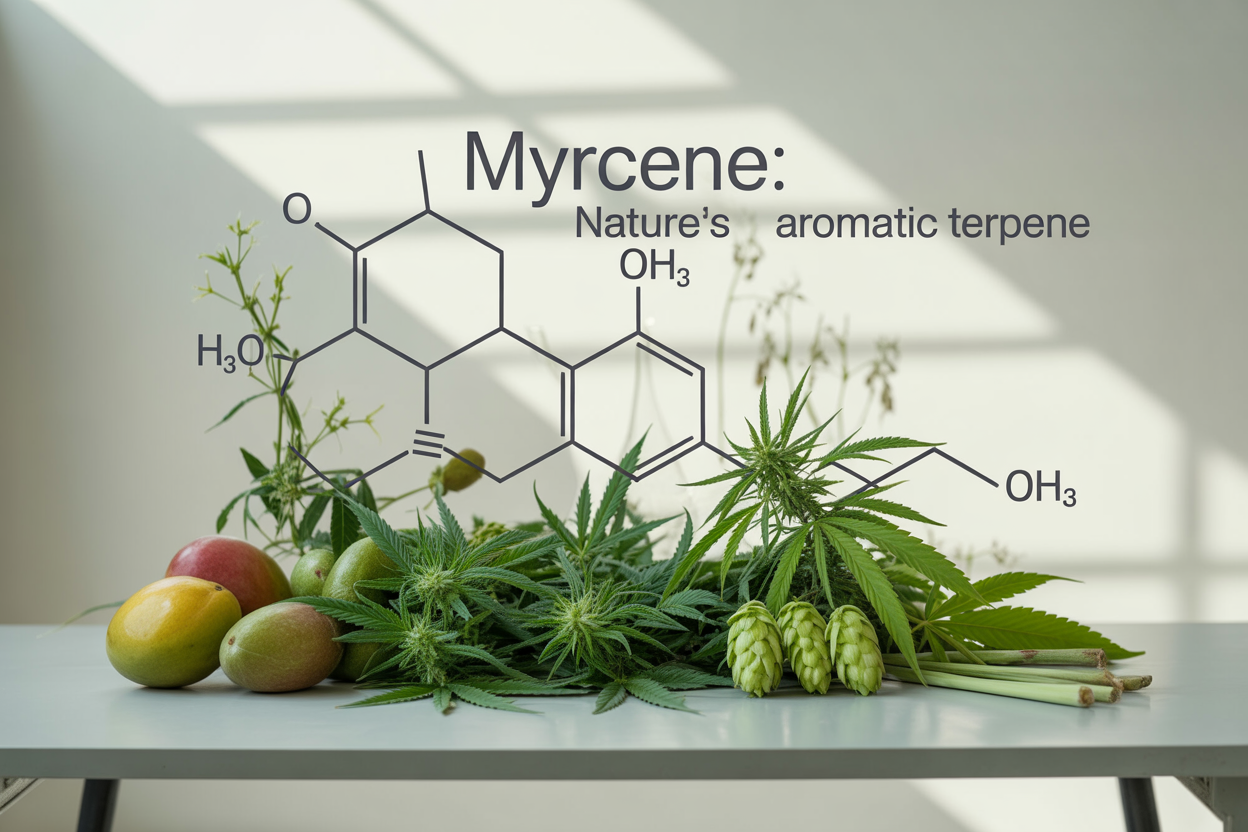
Myrcene is one of nature’s most abundant aromatic terpenes, responsible for the earthy, musky scents found in plants like mangoes, hops, lemongrass, and certain cannabis cultivars. This guide is designed for anyone curious about the natural compounds that shape the aromas we notice in both everyday botanicals and regulated cannabis products.
You’ll learn where myrcene shows up in the plant world, how it contributes to familiar scent profiles, and why it appears so frequently in cannabis lab reports. We’ll also explore how myrcene works alongside other terpenes to create the layered aromatic signatures that make each cultivar unique.
Whether you’re interested in botanical science, enjoy exploring different aroma profiles, or simply want a better understanding of what you’re smelling in your kitchen herbs and garden plants, this guide breaks down myrcene in clear, approachable terms.
What Myrcene Is and Where It Comes From
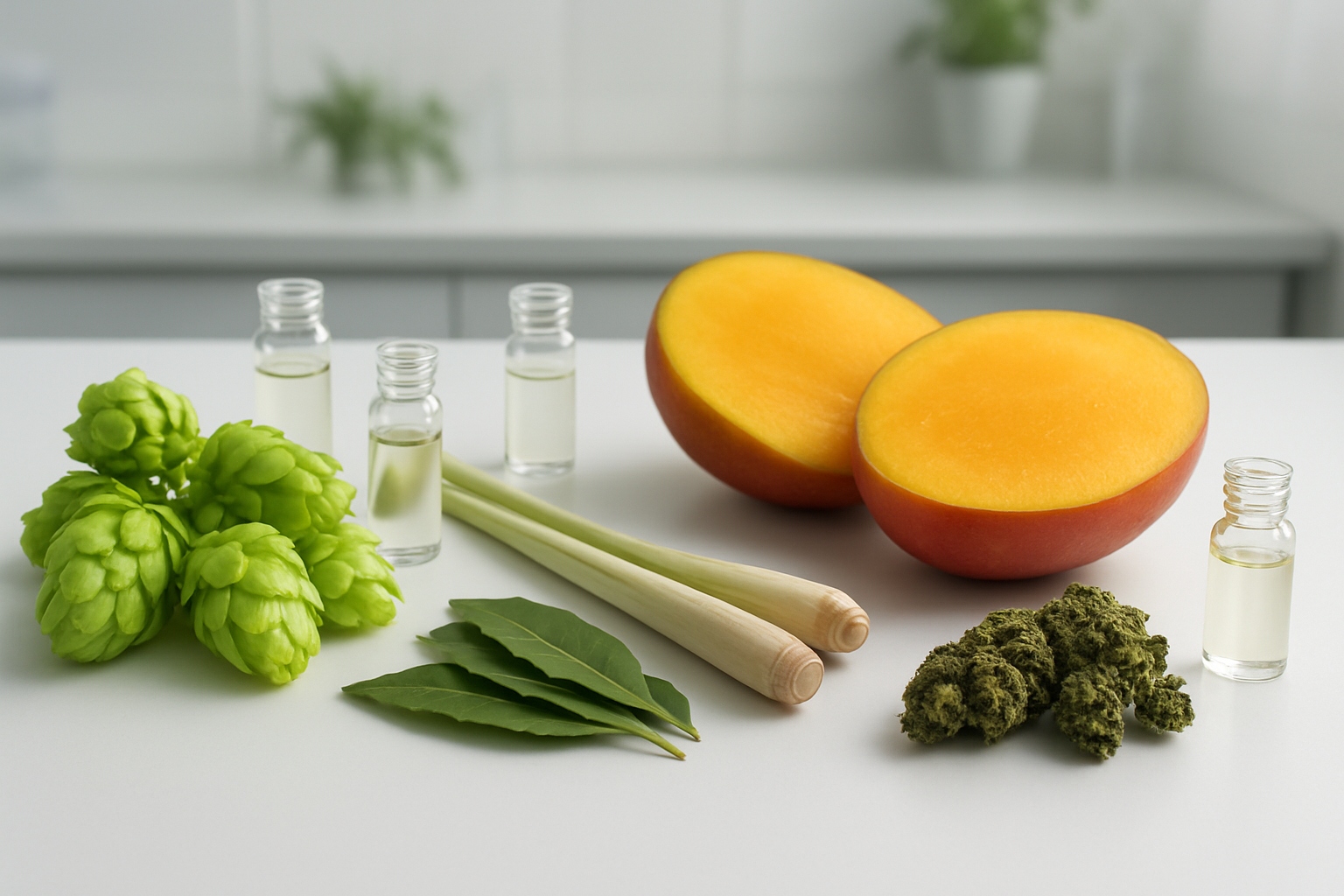
A naturally occurring terpene found in many plants
Myrcene belongs to the monoterpene family, one of nature’s most widespread groups of aromatic compounds. Scientifically known as beta myrcene, this molecule is highly volatile, meaning it evaporates easily at room temperature. This volatility is why its earthy, musky aroma stands out so clearly when you smell plants that contain it.
The plant world produces myrcene through a natural biosynthetic pathway that begins with geranyl diphosphate, a common building block for many terpenes. Enzymes convert this precursor into myrcene, which plants use for a variety of purposes, from attracting pollinators to responding to environmental conditions. Its versatility explains why myrcene appears in so many different species across the globe.
Chemically, myrcene has a relatively simple ten carbon structure with a pattern of double bonds that contributes to its recognizable scent. This straightforward design allows the terpene to blend easily with other aromatic compounds in plants, creating the layered, complex aromas we encounter in herbs, fruits, and certain cannabis cultivars.
Its presence in fruits, herbs, and botanicals beyond cannabis
Myrcene shows up in an impressive variety of plants, many of which you probably already use in your kitchen. Mangoes are one of the most well known sources. Their ripe, tropical aroma comes in part from naturally high myrcene levels that give the fruit its familiar sweetness and subtle musk.
Bay leaves owe much of their earthy fragrance to myrcene as well. In some varieties, this single compound can make up a large portion of the leaf’s essential oil, helping create the comforting aroma that carries through soups and stews.
Hops, the flowering ingredient used to flavor beer, also contain significant myrcene. It contributes to the herbal and floral qualities found in certain hop driven beer styles. Wild thyme produces myrcene as part of its natural aromatic profile, creating the scent that has made the herb a staple in cooking for generations.
Other botanicals that contain notable amounts of myrcene include:
Lemongrass which develops a bright citrus forward aroma with help from its myrcene content
Basil where certain varieties blend myrcene with other aromatic compounds for layered scent profiles
Cardamom which features warm and lightly sweet notes supported by myrcene
Ylang ylang flowers known for their rich floral fragrance in perfumery
West Indian bay leaves valued for their aromatic essential oils in traditional culinary and cultural practices
Why myrcene is one of the most commonly detected terpenes in lab reports
Laboratory analysis frequently identifies myrcene because of several practical and biological factors that make it particularly prevalent in test results. The molecule's stability during extraction processes means it survives the journey from plant material through laboratory testing procedures better than some more delicate terpenes that might degrade or volatilize during sample preparation.
Modern testing equipment, particularly gas chromatography-mass spectrometry systems, can easily detect and quantify myrcene due to its distinct molecular signature and retention time. The compound's relatively simple structure makes it straightforward for analytical instruments to identify, leading to consistent and reliable detection across different laboratories and testing protocols.
Biologically, many plant breeding programs have inadvertently selected for myrcene production because consumers often prefer the aromatic qualities that myrcene provides. This selective pressure has resulted in cultivars across various plant species that naturally produce higher myrcene concentrations, which then appear more frequently in analytical reports.
The compound's role as a precursor to other terpenes also means that plants with active terpene synthesis pathways often accumulate myrcene as an intermediate product, even when the final target might be different terpenes. This biochemical reality creates a baseline level of myrcene presence that testing laboratories routinely encounter, making it one of the most consistently reported terpenes in botanical analysis across multiple industries.
Natural Sources of Myrcene Across the Plant World
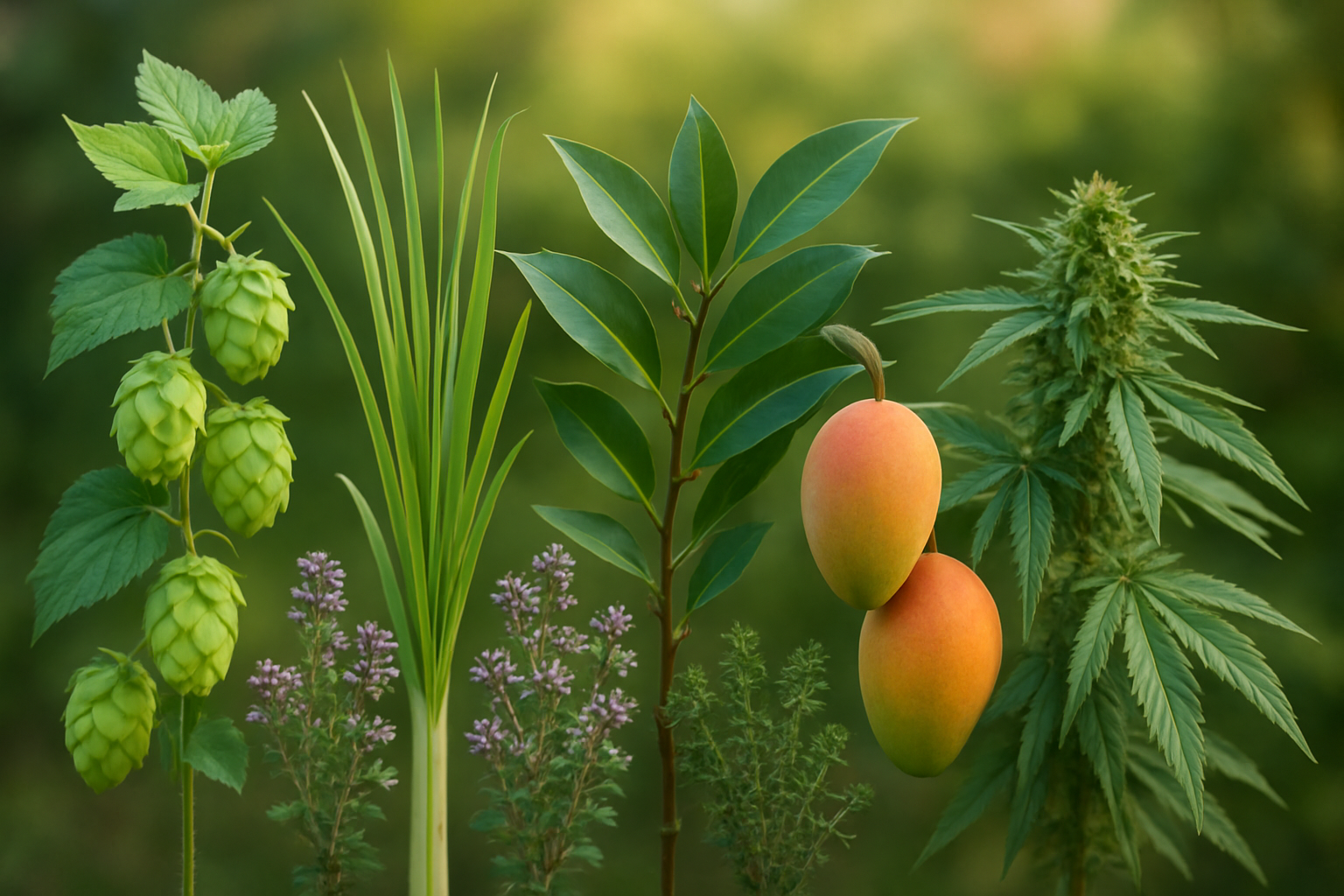
Mangoes, lemongrass, hops, and thyme as common examples
Myrcene shows up in some pretty unexpected places throughout nature. Take mangoes, for instance, that tropical, sweet aroma you notice when slicing into a ripe mango is heavily influenced by myrcene. It creates those earthy, musky undertones that balance the fruit’s brightness, especially in fully ripe mangoes where the scent becomes noticeably stronger.
Lemongrass brings another dimension to myrcene’s aromatic range. This ingredient, widely used in cooking and essential oils, contains myrcene alongside its familiar citrus-forward notes. The combination gives lemongrass its layered, herbal fragrance that so many people recognize instantly.
Hops are another major myrcene source. Different hop varieties carry different myrcene levels, which is one reason brewers are so selective about the cultivars they use. Classic European hops like Hallertau and Tettnang are known for their aromatic profiles, while American favorites like Cascade also showcase prominent myrcene contributions.
Thyme rounds out this group with its own myrcene signature. Wild thyme often contains higher concentrations than cultivated varieties, contributing to the herb’s robust, earthy scent. Myrcene pairs with thyme’s other natural compounds to create the complex aromatic character that defines its culinary use.
How different plants use myrcene in their aromatic profiles
Plants don't produce myrcene by accident – this terpene serves specific biological functions that vary across species. Many plants use myrcene as part of their defense systems. The compound can deter certain insects while attracting beneficial pollinators, creating a natural pest management system. Some plants release myrcene when their leaves are damaged, potentially signaling to nearby plants to ramp up their own defensive compounds.
The aromatic role of myrcene often depends on what other terpenes and compounds surround it. In citrus plants, myrcene works alongside limonene and pinene to create bright, fresh scents. In herbs like basil and bay leaves, myrcene combines with more complex aromatic molecules to produce deeper, more savory profiles.
Plants also use myrcene concentration as a timing mechanism. Many fruits increase myrcene production as they ripen, signaling to animals that the fruit is ready for consumption. This benefits both the plant and the animal – the plant gets seed dispersal, while the animal gets nutritious fruit at peak ripeness.
The placement of myrcene within plant structures varies too. Some plants concentrate it in their leaves for protection, while others focus production in flowers to attract pollinators or in fruits to encourage seed dispersal.
Variations in myrcene concentration depending on climate and cultivation
Climate plays a huge role in how much myrcene plants produce. Temperature swings, humidity levels, and seasonal changes all influence terpene production. Warmer climates generally boost myrcene synthesis, which is why tropical fruits like mangoes tend to have such pronounced myrcene profiles. Cool, wet conditions often reduce myrcene concentrations, while hot, dry periods can either increase production or stress plants enough to reduce it.
Soil composition affects myrcene levels too. Plants growing in nutrient-rich soils with good drainage typically produce more robust terpene profiles. pH levels matter as well – slightly acidic soils often encourage higher myrcene production in many plant species. Water availability creates another variable, with moderate water stress sometimes actually increasing myrcene concentrations as plants ramp up their defensive compounds.
Cultivation practices can dramatically alter myrcene content. Organic growing methods often result in higher terpene production compared to conventional agriculture, possibly because plants develop stronger natural defense mechanisms. Harvest timing makes a difference too – plants harvested at peak maturity usually contain maximum myrcene levels.
| Factor | Effect on Myrcene | Examples |
|---|---|---|
| Temperature | Higher temps increase production | Tropical mangoes vs. temperate varieties |
| Humidity | Moderate levels optimal | Mediterranean herbs vs. rainforest plants |
| Soil pH | Slightly acidic preferred | Wine grapes, citrus cultivation |
| Water stress | Mild stress can increase levels | Dry-farmed herbs, drought-resistant plants |
How Myrcene Shapes Aroma in Cannabis Cultivars

Earthy, musky, herbal notes associated with myrcene-rich plants
Myrcene is known for creating earthy, musky, and herbal aromas in many botanical species. When this terpene appears in high concentrations, the scent often leans toward deep, grounding notes that remind people of fresh herbs, forest vegetation, or naturally ripened fruit.
Plants rich in myrcene tend to express more savory, herbaceous qualities rather than bright or floral ones. The aroma feels rooted in nature, similar to walking through a garden filled with sun-dried herbs or brushing against foliage after a light rain. These musky, earthy layers help define the complex aromatic signatures found throughout different botanical varieties.
In regulated cannabis products, myrcene contributes to the overall aromatic profile by adding depth and richness. It’s one of the reasons some products have that familiar, full-bodied scent often associated with certain terpene-forward cultivars. While each product varies based on genetics and growing conditions, myrcene consistently helps create those distinctive, grounded aromatic experiences adults recognize across many plants.
How myrcene interacts with other terpenes to build unique scent profiles
Myrcene often appears alongside other terpenes in regulated cannabis products, and these combinations help shape the familiar botanical aromas adults notice across different cultivars. Rather than acting on its own, myrcene provides a grounding base that other terpenes layer onto.
When myrcene is present with limonene, the natural earthiness may take on brighter citrus-like qualities. Pinene can introduce fresh, forest-like notes that round out the overall aroma. Caryophyllene contributes its recognizable warm, peppery scent, creating a balanced blend when paired with myrcene’s herbal character.
Linalool and myrcene can appear together as well, creating floral and herbal combinations that resemble the way these two compounds naturally occur in plants like lavender, basil, and thyme. These interactions help explain why different botanical varieties, even outside cannabis, carry such varied and nuanced scent profiles. Read our blog on Linalool HERE.
Recognizing how these terpenes work together gives adults a clearer understanding of the natural aromatic complexity found in many plants and in regulated cannabis products.
Why two cultivars with similar myrcene levels can still smell different
Two cultivars can share similar myrcene percentages and still carry noticeably different aromas. Myrcene often serves as one part of a larger aromatic makeup, and the surrounding terpene profile plays a major role in shaping how the final scent is perceived. For example, one cultivar may feature more limonene while another contains higher caryophyllene levels, creating distinct botanical aromas even when the myrcene content is nearly identical.
Environmental factors during cultivation also influence how these aromas develop. Temperature, humidity, lighting, and overall growing conditions affect how terpenes form and how well they are preserved. The same cultivar grown in two different environments can develop unique aromatic characteristics based on these variables.
Harvest timing adds another layer. Terpene composition naturally shifts as plants approach maturity, so early and late harvests of the same cultivar may show different supporting terpene balances even if the myrcene concentration remains stable.
Post-harvest handling also matters. Drying, curing, and storage methods influence how well various terpenes are maintained. Because some terpenes are more delicate than others, two batches that began with similar profiles can develop their own distinct aromatic signatures over time.
How Testing Labs Identify and Report Myrcene Content
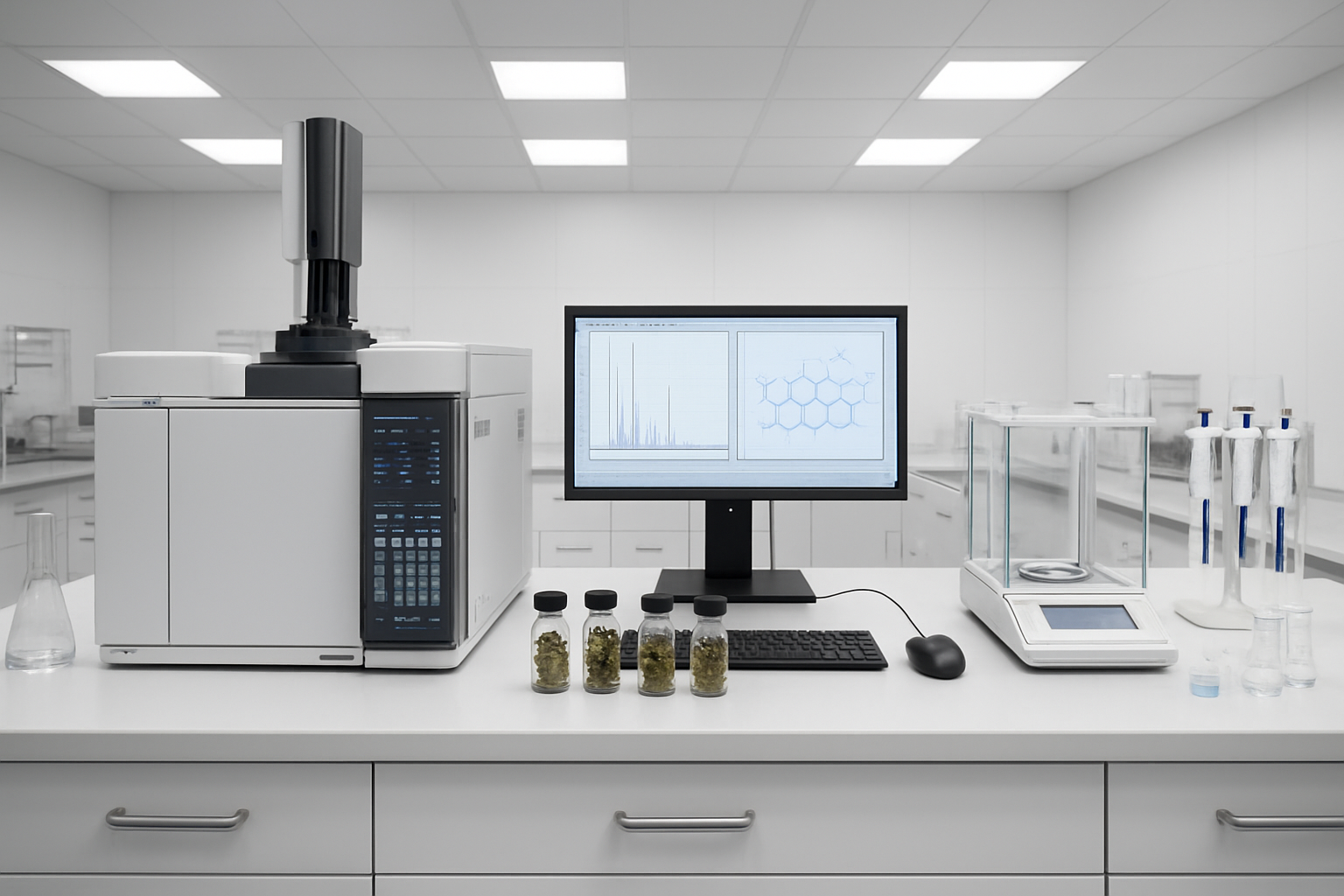
Gas chromatography and other standard terpene identification methods
When testing labs analyze cannabis samples for myrcene content, they rely on sophisticated analytical techniques that can precisely identify and quantify individual terpene compounds. Gas chromatography-mass spectrometry (GC-MS) stands as the gold standard for terpene analysis. This process works by heating the sample to vaporize the volatile terpenes, then separating them through a specialized column where different compounds travel at different rates based on their molecular properties.
The sample preparation begins with careful extraction using solvents or steam distillation to isolate the terpene-rich essential oils from plant material. Once extracted, the concentrated sample enters the gas chromatograph, where each terpene compound creates a unique "fingerprint" or retention time as it moves through the system. Myrcene typically appears early in the chromatogram due to its relatively low molecular weight and boiling point.
Mass spectrometry provides the second layer of identification by fragmenting molecules and analyzing their mass-to-charge ratios. This creates highly specific identification patterns that distinguish myrcene from other terpenes like limonene or pinene, even when they have similar retention times.
Some labs also employ headspace analysis, which captures volatile compounds directly from the air above a sample without requiring extraction. This method better represents the aromatic profile consumers actually experience when opening a container.
How certificates of analysis display terpene percentages for consumers
Certificates of analysis (COAs) serve as the official documentation of a cannabis product's chemical composition, including detailed terpene profiles that help consumers understand what they're purchasing. These documents typically present myrcene content both as individual percentages and within the context of the complete terpene profile.
Most COAs display terpene results in percentage by weight, showing myrcene levels that commonly range from 0.1% to over 3% in different cultivars. The reporting format usually includes:
| Terpene | Percentage (%) | mg/g |
|---|---|---|
| Myrcene | 1.2% | 12.0 |
| Limonene | 0.8% | 8.0 |
| Pinene | 0.3% | 3.0 |
Many labs include visual representations like bar charts or pie graphs that make the data more accessible to consumers who might find raw numbers challenging to interpret. These graphics often highlight the dominant terpenes, with myrcene frequently appearing as one of the top three compounds.
Quality COAs also include important contextual information like testing dates, sample batch numbers, and detection limits. Some advanced reports provide comparisons to typical ranges for specific cultivars, helping consumers understand whether a particular sample shows unusually high or low myrcene levels compared to expectations.
Why total terpene content varies based on harvest timing and curing
The myrcene content in cannabis samples can fluctuate dramatically depending on when plants are harvested and how they're processed afterward. These variations create challenges for both producers trying to maintain consistency and consumers expecting reliable terpene profiles.
Harvest timing plays a critical role in terpene preservation. Myrcene levels typically peak during the final weeks of flowering, but waiting too long can lead to degradation as terpenes are volatile compounds that easily evaporate or convert into other molecules. Early morning harvests often capture higher terpene levels since cooler temperatures reduce evaporation losses that occur during warmer parts of the day.
The curing process dramatically impacts final myrcene concentrations. Proper curing involves controlled drying in environments with specific temperature and humidity ranges, typically around 60-70°F with 55-65% relative humidity. Rushing this process with excessive heat or inadequate humidity control can cause significant terpene loss.
Storage conditions after curing continue to affect myrcene stability. Exposure to light, heat, and oxygen gradually breaks down terpene compounds, which explains why properly stored cannabis in airtight, dark containers maintains higher terpene levels than products exposed to harsh conditions.
Different processing methods also impact final results. Fresh-frozen extraction techniques can preserve higher terpene levels compared to traditional dry processing, while certain extraction methods may selectively concentrate or dilute myrcene relative to other compounds.
How Adults Can Learn More About Myrcene Through Regulated Information

Reading Terpene Data on Product Labels and Lab Results
Cannabis product labels and third-party lab reports provide the most reliable pathway to understanding myrcene content. These documents typically display terpene profiles alongside cannabinoid percentages, offering a comprehensive chemical snapshot of each product. Myrcene concentrations are usually expressed in milligrams per gram or as a percentage of total terpenes.
Lab reports break down individual terpene amounts with precision, allowing consumers to compare myrcene levels across different cultivars and products. Products with myrcene concentrations above 0.5% often exhibit the characteristic earthy, musky aroma associated with this terpene. Higher concentrations, sometimes reaching 2-3% in certain strains, tend to produce more pronounced aromatic effects.
Reading these reports effectively requires understanding that terpene profiles can vary between harvests of the same cultivar. Environmental factors, cultivation methods, and processing techniques all influence final myrcene content. Some manufacturers include detailed harvesting and testing dates, helping consumers track consistency across batches.
Talking with Trained Dispensary Staff for Factual, Aroma-Focused Info
Knowledgeable dispensary staff serve as valuable resources for understanding myrcene's aromatic properties and occurrence patterns across different cannabis products. These professionals receive training on terpene profiles and can explain how myrcene contributes to specific scent characteristics in various cultivars.
Staff members often maintain detailed notes about customer preferences and product feedback, creating an informal database of aromatic experiences linked to terpene content. They can identify cultivars known for high myrcene concentrations and explain how these levels translate to real-world aromatic experiences.
Quality dispensaries encourage their teams to stay current with terpene research and product testing results. This ongoing education enables staff to provide accurate information about myrcene content variations between different product formats, such as flower, concentrates, and processed goods.
Educational Resources like Treehouse's Terp Talk Tuesday Series
Structured educational programs offer an approachable way for adults to learn about myrcene and other botanical aromatics. Treehouse’s weekly Terp Talk Tuesday series is a great example, each episode features Greg, the store’s resident education lead, breaking down individual terpenes, where they appear in nature, and how they contribute to different aroma profiles.
These educational platforms typically combine scientific information with practical guidance, helping adults understand both the chemistry and sensory aspects of myrcene. Content often includes visual guides for identifying myrcene-rich products, comparison charts showing relative concentrations across cultivars, and explanations of how processing methods affect terpene preservation.
Reputable educational resources cite peer-reviewed research and maintain transparency about their information sources. They also update content regularly as new research emerges about myrcene's properties and distribution patterns in cannabis and other plants.
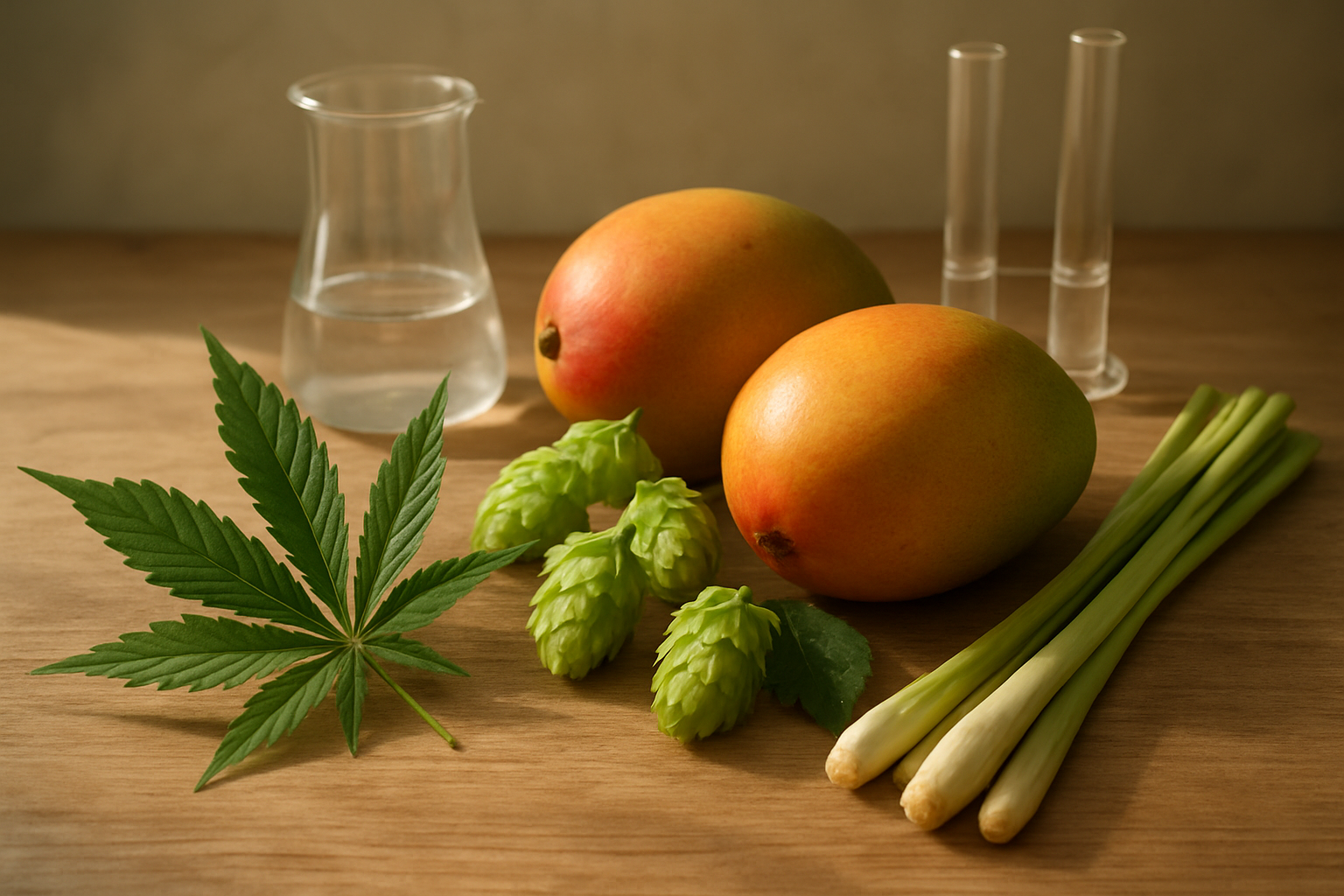
Myrcene stands out as one of nature’s most familiar aromatic compounds, showing up in everything from mangoes and hops to certain cannabis cultivars. This versatile terpene contributes the earthy, musky scents many people recognize across a wide range of plants, creating connections between the foods we eat, the herbs we cook with, and the aromas found in cannabis.
For adults who are curious about myrcene, regulated sources and certified testing labs offer the most reliable information about how this terpene appears in different products. Whether you notice its signature scent in fresh herbs or see it listed on a product label, learning about myrcene offers a deeper appreciation for the natural chemistry that shapes so many everyday aromas. It’s a reminder that some of nature’s most interesting compounds are often hiding in plain sight.


Shop our products

Shop All

Flower

Pre-rolls

Vaporizers

Edibles

Drinks

Concentrates
Tinctures

Topicals

CBD

Pet CBD

Accessories