
A Beginner-Friendly Guide to Farnesene in Cannabis
What Is Farnesene? A Closer Look at One of Cannabis’s Lesser-Known Terpenes

Written by
Treehouse Cannabis
What Is Farnesene? A Closer Look at One of Cannabis’s Lesser-Known Terpenes
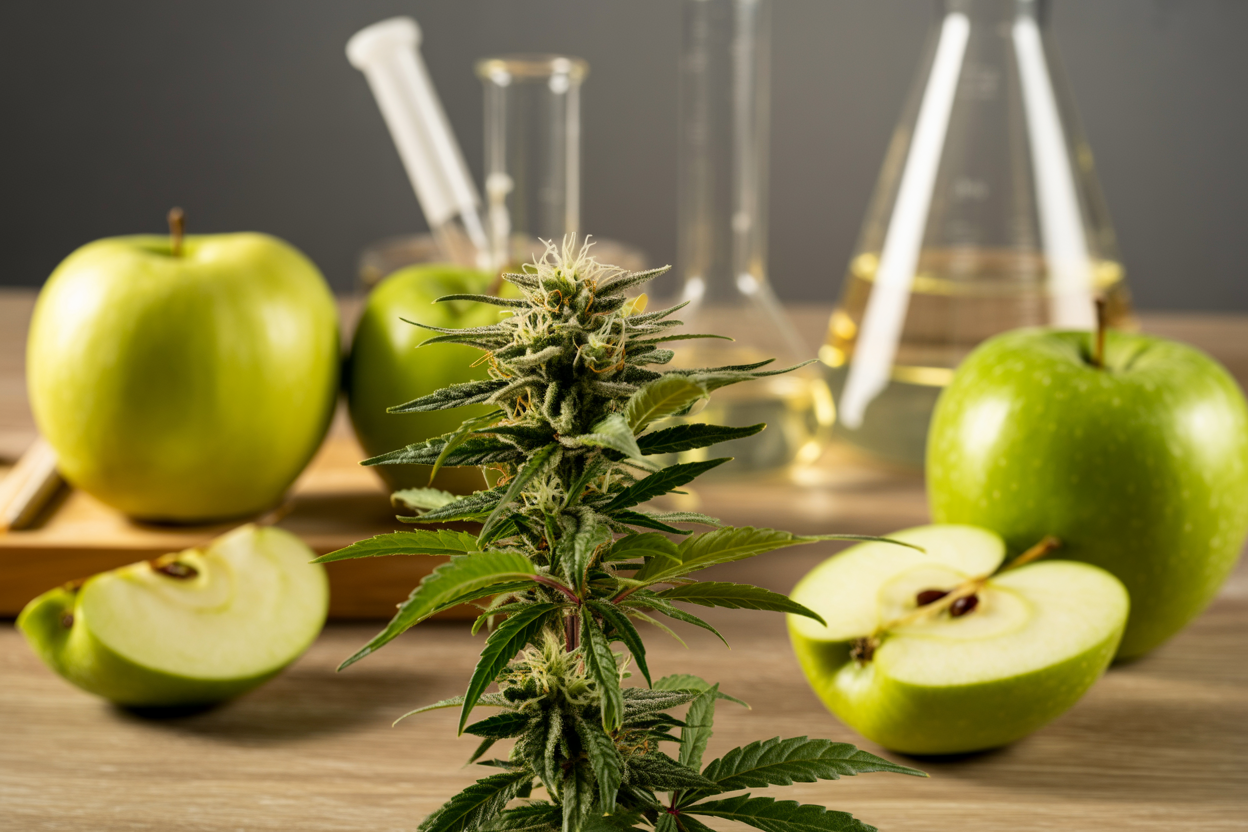
Cannabis enthusiasts often recognize major terpenes like myrcene and limonene, but farnesene remains one of the most overlooked compounds in your favorite strains. This sesquiterpene brings distinctive apple and earthy notes to cannabis and continues to be studied for its role in cannabis aroma and plant chemistry.
This guide is for curious cannabis users, growers, and anyone wanting to deepen their knowledge of what makes each strain unique. While farnesene isn't the most abundant terpene in cannabis, it shows up in some popular cultivars and contributes to the complex flavor profiles that make certain strains memorable.
At Treehouse Cannabis, we’re always focused on helping our community better understand what’s actually in their cannabis, beyond just strain names and THC percentages. Terpenes like farnesene are a perfect example of how much depth there is to explore when it comes to aroma, flavor, and plant chemistry.
We'll explore cannabis terpenes and how farnesene works as a natural defense mechanism for plants. You'll discover farnesene's signature apple and fruity aroma that sets it apart from other terpenes. Finally, we'll compare how farnesene stacks up against more common terpenes you already know, helping you understand where this lesser-known compound fits into the bigger picture of cannabis chemistry.
Understanding Cannabis Terpenes and Their Protective Functions
What Makes Terpenes Essential Secondary Metabolites
Terpenes represent the most abundant group of naturally occurring compounds, with approximately 30,000 distinct varieties identified in nature to date. These fascinating molecules are classified as secondary metabolites, which distinguishes them from primary metabolites by their unique role in plant biology. Unlike primary metabolites that are directly involved in essential life processes such as plant development and reproduction, terpenes serve specialized functions that extend beyond basic survival needs.
As volatile aromatic chemicals, terpenes are the masterminds behind the distinctive scents that characterize various plants throughout the natural world. From the citrusy fragrance of oranges to the sharp, clean aroma of pine trees, the hoppy essence of beer-making plants, the herbal notes of rosemary, and the complex bouquet of cannabis, terpenes create the olfactory signatures that make each plant species unique and recognizable.
How Terpenes Defend Plants Against Pests and UV Damage
The defensive capabilities of terpenes showcase nature's sophisticated approach to plant protection. These compounds serve as the plant kingdom's natural armor, performing multiple critical defense tasks that ensure plant survival in challenging environments. Terpenes actively work to repel a wide range of threats, including harmful pests, destructive insects, and herbivorous animals that might otherwise damage or consume the plant.
Beyond pest control, terpenes provide essential protection against environmental hazards, particularly harmful ultraviolet radiation from the sun. This UV-protective function is crucial for plant health, as excessive UV exposure can damage cellular structures and impair photosynthesis. Some terpenes also function as sophisticated communication molecules, enabling plant-to-plant signaling that helps stimulate the immune systems of neighboring plants, creating a community-based defense network.
Cannabis exemplifies the diversity of terpene production, containing over 150 different terpenes that contribute to both its protective mechanisms and distinctive aromatic profiles.
The Classification System of Terpenes by Carbon Structure
The scientific classification of terpenes follows a systematic approach based on their fundamental chemical structure. Terpenes are pure hydrocarbons, consisting exclusively of hydrogen and carbon atoms, which distinguishes them from terpenoids that contain additional functional groups. While all terpenoids are technically terpenes, not all terpenes qualify as terpenoids.
The structural foundation of terpenes lies in isoprene units, and the quantity of these building blocks determines their specific chemical classification. This systematic approach creates distinct categories:
Hemiterpenes: The simplest form, containing a single isoprene unit with five carbon atoms
Monoterpenes: Composed of two isoprene units, resulting in ten carbon atoms
Diterpenes: Built from four isoprene units, containing twenty carbon atoms
This classification system provides researchers and industry professionals with a clear framework for understanding terpene complexity and predicting their properties based on molecular structure.
Education around terpenes is something we prioritize at Treehouse, whether it’s through in-store conversations, our blog, or ongoing educational content. Understanding compounds like farnesene helps give more context to why certain strains smell, taste, and feel the way they do.
Farnesene's Unique Chemical Properties and Natural Defense Mechanisms
Alpha-Farnesene vs Beta-Farnesene Molecular Differences
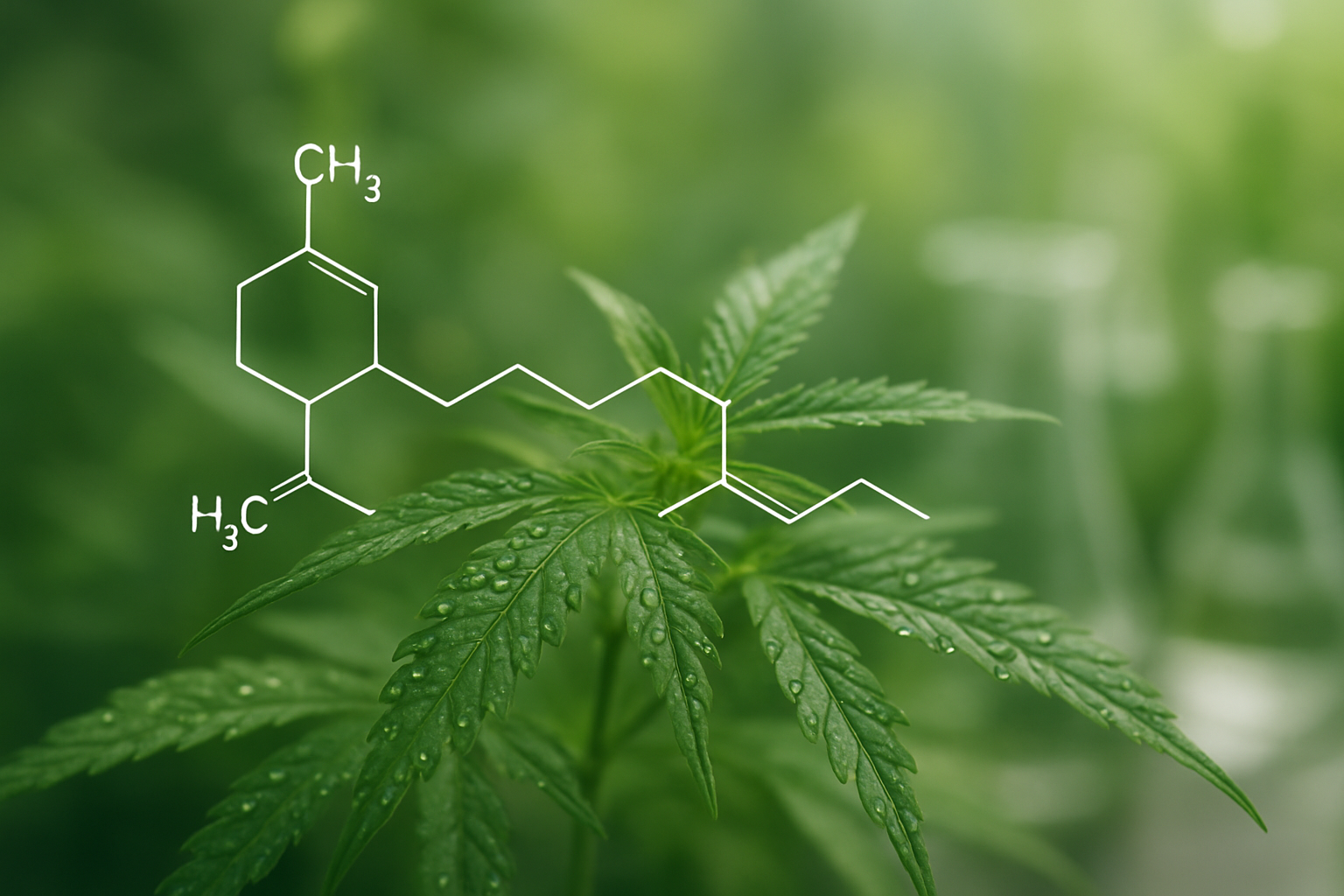
Farnesene encompasses six unique chemical entities, with alpha-farnesene and beta-farnesene being the most significant variants. These molecules represent a fascinating example of isomerism in chemistry, as they contain the same number of atoms but are organized in distinctly different structural arrangements. The key distinguishing factor between alpha-farnesene and beta-farnesene lies in the placement of a single double carbon bond, demonstrating how minor molecular adjustments can result in different properties and applications.
Alpha-farnesene has carved out its niche primarily in the aroma and cosmetics industries, where it's typically generated through industrial and synthetic processes. This variant's unique molecular structure makes it particularly valuable for commercial fragrance applications. In contrast, beta-farnesene, specifically trans-beta-farnesene, holds greater relevance for cannabis enthusiasts and researchers. This naturally occurring variant can be found in the skin of green apples, contributing to their distinctive aroma profile and serving as a prime example of how terpenes bridge the gap between different plant species.
How Farnesene Repels Aphids and Attracts Beneficial Predators
Research has revealed that farnesene serves as a sophisticated chemical communication system in nature's pest management network. Studies suggest that farnesene provides protection against specific insects, most notably aphids, which are common agricultural pests that can cause significant damage to various crops including cannabis.
The mechanism behind this protective function involves aphids' own communication strategies. Aphids naturally create and utilize terpenes as warning signals to alert members of their colony about approaching predators and potential threats. Farnesene exploits this existing communication pathway by mimicking these alarm pheromones, effectively causing aphids to perceive danger and avoid areas where farnesene is present.
Beyond its repellent properties, farnesene demonstrates a dual-action approach to natural pest control. While the compound's aroma drives away harmful aphids, it simultaneously attracts beneficial predatory insects that are naturally drawn to this particular scent profile. This creates an elegant biological balance where farnesene not only deters pests but actively recruits natural enemies of those same pests, establishing a comprehensive defense mechanism that benefits the producing plant.
Sesquiterpene Structure with Three Isoprene Units
Both alpha-farnesene and beta-farnesene belong to the sesquiterpene family, a classification that defines their fundamental molecular architecture. Sesquiterpenes are characterized by their composition of three isoprene units, resulting in a total of 15 carbon atoms per molecule. This structural framework distinguishes sesquiterpenes from monoterpenes, which contain only two isoprene units and 10 carbon atoms.
The three-isoprene structure of farnesene contributes significantly to its chemical stability and biological activity. This molecular complexity allows farnesene to maintain its protective properties while remaining sufficiently volatile to disperse effectively through the air, enabling both its aromatic qualities and its defensive functions to operate optimally in natural environments.
Distinctive Apple and Fruity Aroma Profile of Farnesene
Green Apple Skin as the Primary Scent Signature
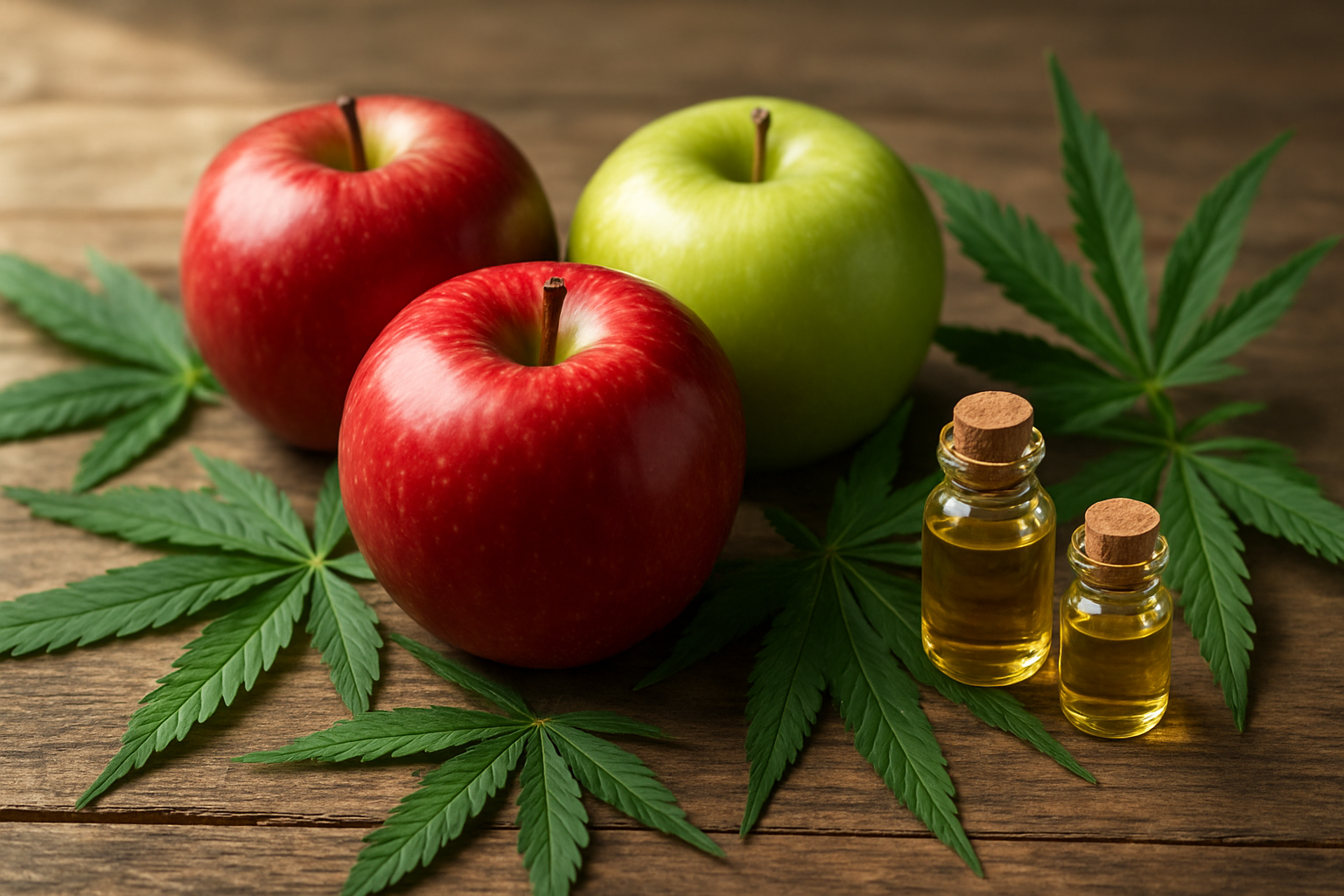
Farnesene establishes its most distinctive aromatic identity through its concentrated presence in green apple skin, where it serves as the primary compound responsible for that characteristic fresh, fruity fragrance we immediately recognize. This natural abundance in apple skin creates farnesene's signature scent profile, making it one of the most identifiable terpenes for those familiar with its aroma. When encountered in cannabis strains rich in farnesene, this apple-like quality becomes the dominant note that defines the overall olfactory experience.
Cannabis cultivars containing significant farnesene concentrations produce mild yet distinctly perceptible apple and fruit aromas that closely mirror the scent found in fresh green apple skin. This connection between the terpene's natural occurrence and its manifestation in cannabis creates a unique sensory bridge that helps consumers identify farnesene-dominant strains through familiar scent associations.
While farnesene isn’t found in every strain, it does appear in select cultivars known for their subtle apple-forward and earthy aroma profiles. At Treehouse, you can find farnesene showing up in products like Revert's Godfather OG and Nanticoke's Sour Diesel pre-roll, making them great examples of how this terpene contributes to flavor and overall strain character.
Complex Flavor Notes Including Citrus, Wood, and Earth
Beyond its primary apple characteristics, farnesene presents a sophisticated aromatic complexity that extends well beyond simple fruit notes. The terpene delivers an intricate flavor profile incorporating citrus elements that add brightness and zest to its overall character. These citrus undertones work harmoniously with woody notes, creating depth and richness that prevents the aroma from becoming one-dimensional.
The earthiness present in farnesene's profile grounds the entire aromatic experience, providing a solid foundation that balances the brighter fruit and citrus elements. This multi-layered complexity makes farnesene particularly valuable in cannabis breeding programs, as it contributes nuanced flavor dimensions that enhance the overall terpene profile of finished products.
Natural Occurrence in Turmeric, Ginger, and Sandalwood
Farnesene's aromatic influence extends far beyond cannabis and apples, contributing to the diverse scent profiles of numerous botanically significant plants. The compound plays a crucial role in creating the characteristic aromas of turmeric, where it adds to the spice's complex aromatic signature. Farnesene contributes to the plant's distinctive fragrance that makes it so valuable in brewing applications.
The terpene's presence in ginger adds to this root's multifaceted aromatic profile, while its occurrence in premium woods like cedarwood and sandalwood helps create their sought-after fragrances. Additionally, farnesene contributes to grapefruit's distinctive citrus aroma, demonstrating the terpene's versatility across completely different plant families and aromatic categories. This widespread natural occurrence illustrates farnesene's importance as a fundamental aromatic building block throughout the plant kingdom.
How Farnesene Compares to Other Common Terpenes
Comparing Farnesene to Better-Known Terpenes
Now that we have explored farnesene’s defining characteristics and aromatic profile, it is useful to consider how this lesser-known terpene fits within the broader cannabis terpene landscape. Compared to more widely studied terpenes, farnesene remains relatively understudied in cannabis research, with limited data available for direct comparison.
While many commonly discussed terpenes have been examined in research exploring how multiple cannabis compounds may coexist within the plant, there are currently no published studies evaluating how farnesene interacts with cannabinoids, other terpenes, or additional cannabis phytochemicals. This lack of data highlights a key distinction between farnesene and more extensively researched terpenes.
The entourage effect is a theoretical framework often referenced in cannabis science to describe how multiple compounds may coexist within the plant. In this context, farnesene is classified similarly to other terpenes as a non-cannabinoid compound that is not known to act directly on endocannabinoid receptors. At present, farnesene’s specific role within this framework has not been defined, and further research is needed to better understand how it may relate to other cannabis constituents.
With its limited body of cannabis-specific research in mind, several characteristics distinguish farnesene from more familiar terpenes found in the cannabis plant. Most notably, farnesene’s long-chain, branching hydrocarbon structure sets it apart from many commonly discussed terpenes, positioning it as a versatile chemical scaffold with applications beyond traditional cannabis contexts.
While many well-known terpenes are primarily discussed in relation to aroma and flavor within cannabis, farnesene is widely recognized for its role as an industrial compound. Its molecular structure allows it to function as a renewable building block used in the development of performance materials, adhesives, surfactants, stabilizers, emulsifiers, cosmetic oils, polymers, and agricultural products. These uses reflect a broader chemical utility that differs from how most cannabis-associated terpenes are typically described.
Farnesene is also used as a component in biofuel production, as well as in the manufacture of lubricants, bio-polymers, and resins. Its ability to serve as a feedstock for chemical transformation highlights its relevance in industrial manufacturing processes, illustrating how the same compound can appear in both plant biology and large-scale material science.
In cannabis cultivation, higher levels of farnesene have been observed in some newer hybrid varieties, drawing attention to this terpene’s presence within the plant. While research into farnesene’s role in cannabis remains limited, ongoing scientific interest continues to explore how diverse terpene profiles contribute to the complexity of cannabis chemistry.
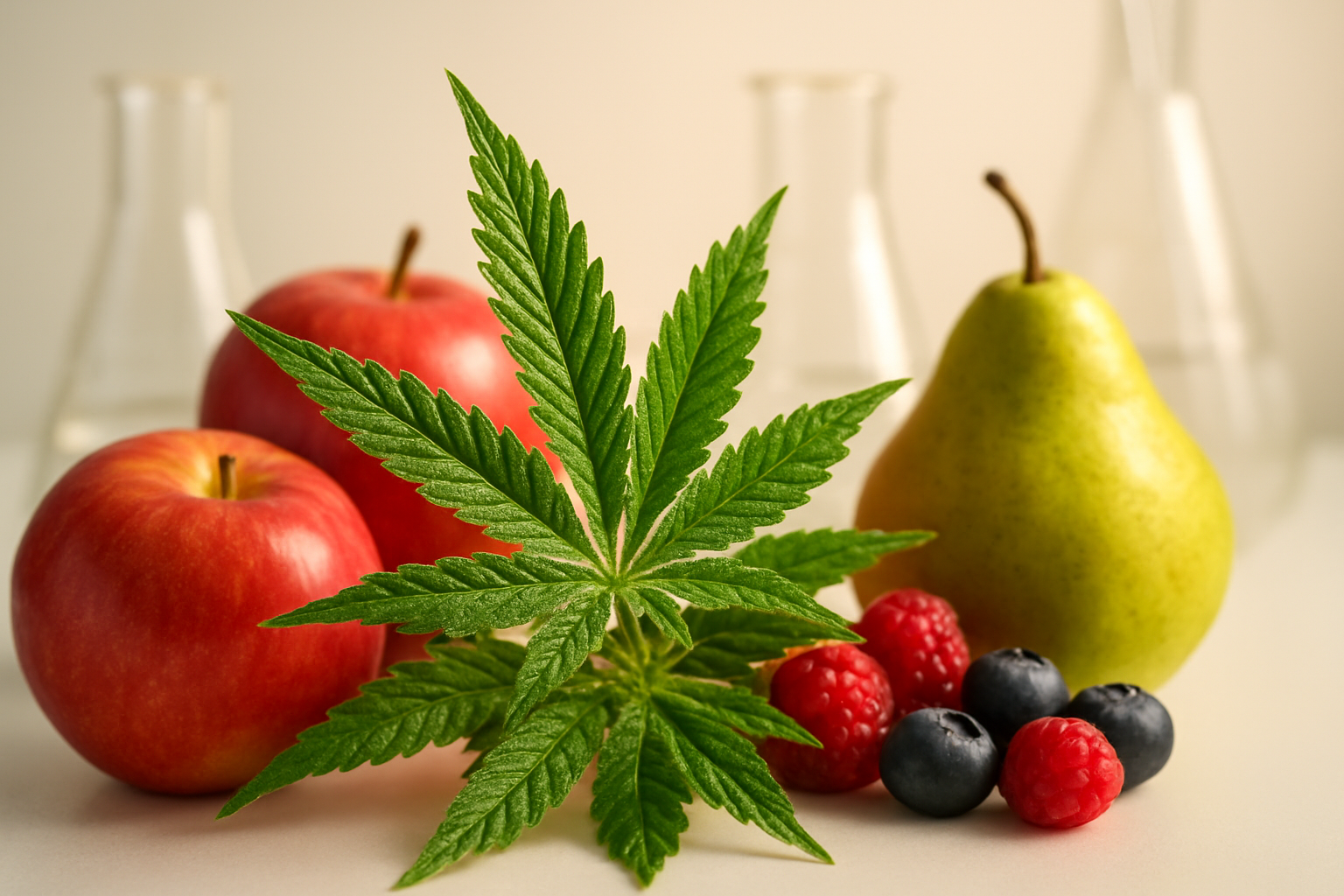
While farnesene is less prevalent than more commonly discussed cannabis terpenes such as myrcene or limonene, its distinctive apple and fruity aroma makes it a notable component in certain cannabis varieties. As a sesquiterpene, farnesene is structurally distinct from many well-known terpenes and contributes to the overall diversity of cannabis aroma profiles.
Farnesene has also been identified in some newer hybrid cultivars, including select F1 varieties, where its presence highlights the expanding range of terpene expressions being observed in modern cannabis breeding. These developments have drawn increased attention to farnesene as part of the broader study of cannabis chemistry.
Topics like terpene profiles and plant chemistry are also something we explore during Terp Talk Tuesdays with Greg, Treehouse’s education lead, where we break things down in an approachable way. You can find these videos shared across our social channels for anyone who wants to keep learning beyond the blog.



Shop our products

Shop All

Flower

Pre-rolls

Vaporizers

Edibles

Drinks

Concentrates

Tinctures

Topicals

CBD

Pet CBD

Accessories