
The Science Behind Cannabis and Appetite
Why Does Cannabis Give You the Munchies?
What Are the Munchies and Why Does Cannabis Cause Them?
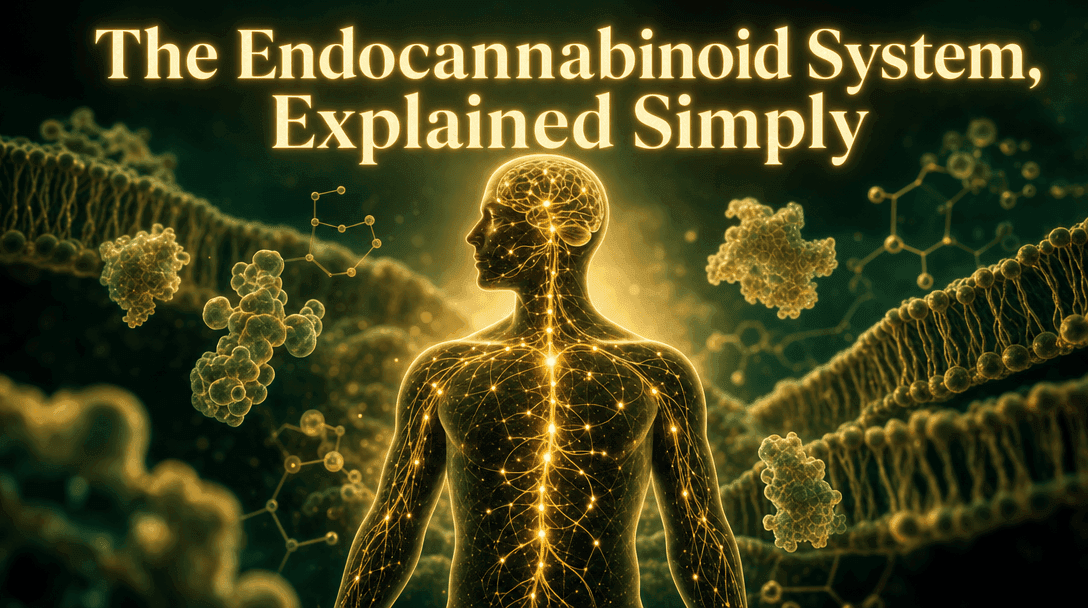
The munchies refers to the noticeable increase in appetite that often follows cannabis use. This effect is well-documented in scientific literature and has been observed across a wide range of studies involving both humans and animals. The cause lies in the endocannabinoid system (ECS) — a network of receptors throughout the body that helps regulate hunger, mood, pain, and reward processing.
THC, the primary psychoactive compound in cannabis, mimics the body's natural endocannabinoids and binds strongly to CB1 receptors. These receptors are concentrated in several brain regions, including the basal ganglia, limbic forebrain, hypothalamus, and olfactory bulb. When THC activates these receptors, it flips the brain's hunger switch. This mechanism is the starting point for everything that follows during the munchies.
Once the CB1 receptors are activated, a chain reaction begins involving hormone signals, sensory enhancement, and reward activation — all pushing in the same direction toward food intake. The endocannabinoid system uses CB1 and CB2 receptors to regulate hunger, mood, pain, and reward. THC mimics natural endocannabinoids and binds aggressively to CB1 receptors concentrated in key brain regions, including the basal ganglia, limbic forebrain, hypothalamus, and olfactory bulb, all of which contribute to the hunger signal.
How Does THC Act on the Brain to Trigger Hunger?
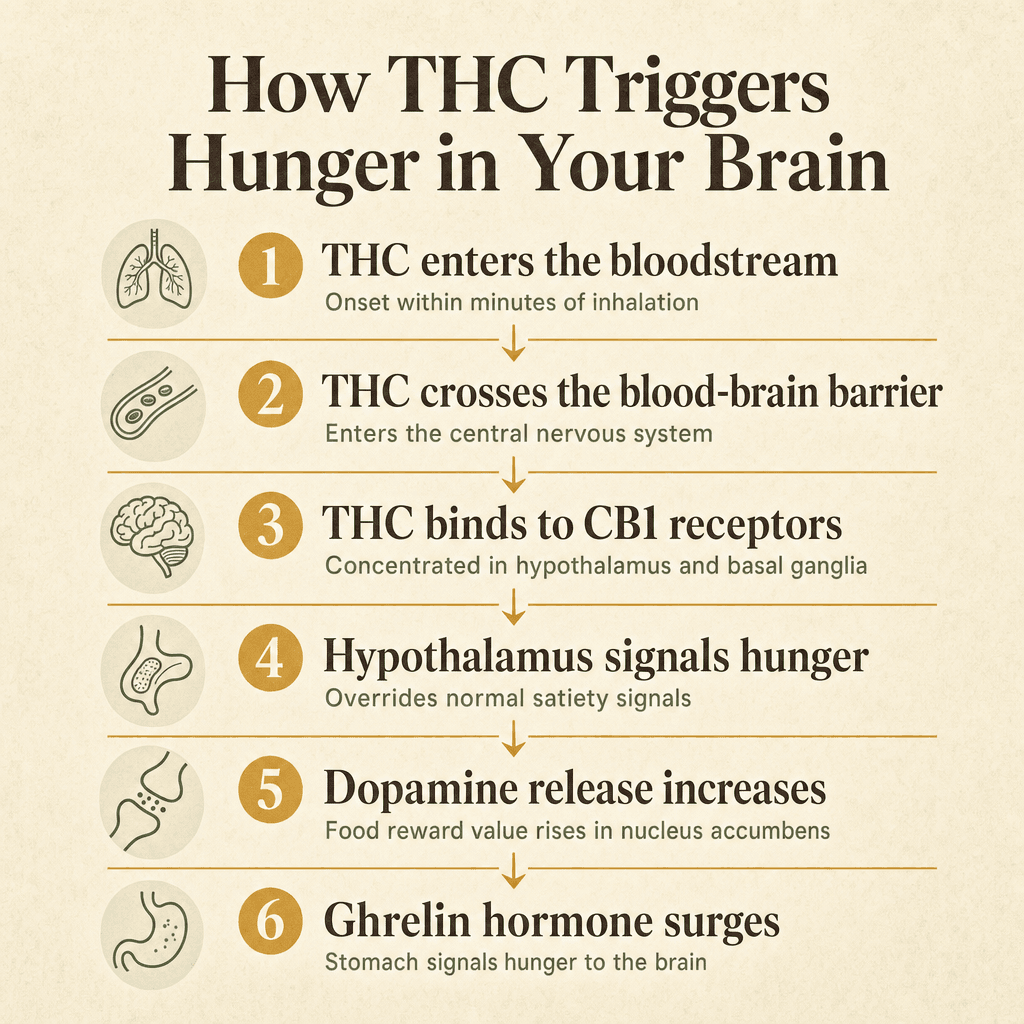
Once cannabis is consumed, THC enters the bloodstream and crosses the blood-brain barrier, where it begins binding to CB1 receptors in the hypothalamus — the brain region responsible for homeostatic hunger regulation, which manages energy balance and satiety. This binding stimulates a cascade that overrides normal fullness signals and creates a genuine sensation of needing calories. [6]
Simultaneously, THC activates CB1 receptors in the nucleus accumbens, an area associated with dopamine release and reward processing. This increases the perceived reward value of food, making eating feel more satisfying than it ordinarily would. The combined effect is a brain that both detects hunger and experiences food as more rewarding.
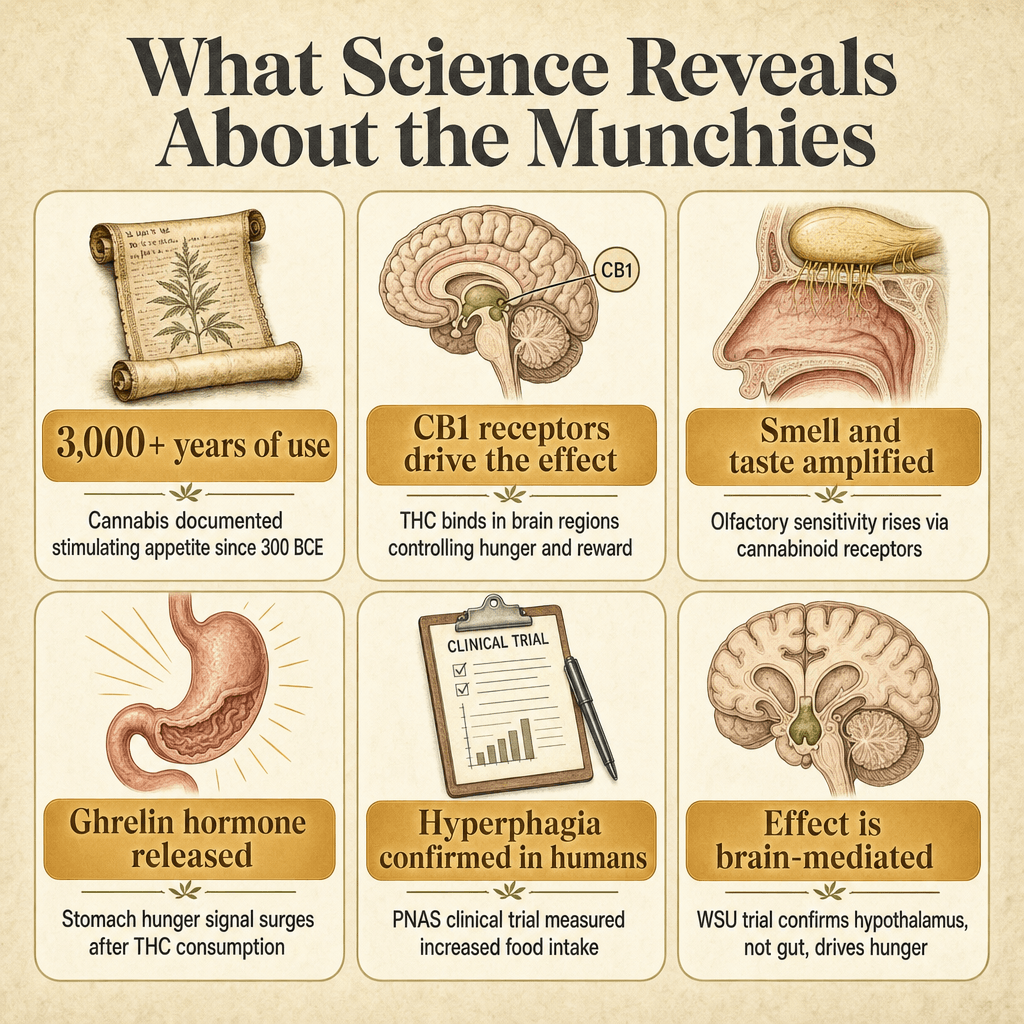
Human trials support this central effect. In a controlled setting, vaporized THC increased energy intake within 30 minutes regardless of the dose administered, indicating the effect is not a simple linear dose-response. This brain-mediated pathway — not a gut-mediated one — drives the hunger signal. Research shows increased food intake within 30 minutes of vaporized THC, independent of dose strength.
Infographic: How the Munchies Work — Step by Step
How Does Cannabis Make Food Smell and Taste Better?
One of the most noticeable parts of the munchies is how food seems to become more aromatic and flavorful. THC activates CB1 receptors in the olfactory bulb — the brain structure responsible for processing smell — which lowers the threshold for detecting odors. This makes food aromas sharper and more enticing.
Because roughly 80% of what people perceive as flavor is actually smell, enhanced olfactory sensitivity translates directly to a more vivid taste experience. Chips taste richer, sweets taste sweeter, and bland foods become appealing in ways they normally would not. This sensory enhancement is a core part of why the munchies feel so distinctive.
The mechanism connects directly to increased food intake. When food smells better, the brain's anticipatory reward response activates more strongly, encouraging eating even when hunger signals might not be urgent on their own. Research published in peer-reviewed journals confirms that CB1 receptors in the olfactory system mediate this THC-induced increase in olfactory perception.
What Role Does the Hunger Hormone Ghrelin Play in the Munchies?
Beyond the direct brain signaling from CB1 receptor activation, the munchies also involve a hormonal component. THC stimulates the release of ghrelin — a hormone produced primarily in the stomach that travels to the hypothalamus and signals the body to eat. Ghrelin is commonly referred to as the hunger hormone.
When THC is present, ghrelin levels rise above their normal mealtime peaks. This amplifies the brain's hunger signal from a secondary direction. The result is a two-pronged attack on satiety: the direct CB1-mediated signal in the hypothalamus and the indirect ghrelin-mediated signal traveling from the stomach. This dual activation means two separate biological pathways are both pointing toward food intake at the same time.
This explains why the urge to eat during the munchies can feel particularly urgent and difficult to ignore. The ghrelin pathway adds a hormonal surge that works alongside the neurological effect, creating a stronger and more persistent hunger signal than either pathway would produce alone. The combination of direct brain activation and hormone amplification is what makes the munchies distinctive from ordinary hunger.
Infographic: 6 Key Facts About Cannabis and Appetite
Who Experiences the Munchies?
The munchies are not limited to a specific type of cannabis user. Research consistently shows that cannabis-induced hyperphagia occurs regardless of sex, age, body weight, or recent food consumption. A controlled human clinical trial with 82 participants and parallel rat studies demonstrated increased food intake in all demographic groups studied. [2]
Notably, the intensity of the effect did not scale linearly with dose within the studied range. Participants consuming lower and higher doses both showed increased appetite, suggesting the endocannabinoid system's role in this response operates in a threshold-like fashion rather than a simple dose-response relationship.
Another consistent finding is that cannabis does not appear to create cravings for any specific macronutrient category. Studies show increased intake across carbohydrates, proteins, and fatty foods without a meaningful preference for one macronutrient type over another. [3]
How Long Do the Munchies Last?
The timing of the munchies depends largely on how cannabis is consumed. When cannabis is smoked or vaporized, THC reaches the brain within minutes and the appetite-stimulating effect begins quickly. Human studies show measurable increases in food intake within 30 minutes of vaporized THC administration.
Edibles take longer to take effect, typically between 30 minutes and 2 hours before the peak, since THC must be processed through the digestive system first. The peak of the munchies coincides with the peak intoxication period, which varies based on consumption method, individual metabolism, and tolerance.
Once the effects of cannabis begin to fade, the appetite stimulation typically fades with it. Understanding these timelines helps set realistic expectations for the experience and allows users to plan food intake accordingly. Human trials measured increased food intake within 30 minutes of vaporized THC administration, confirming the rapid onset of the appetite effect.
Can the Munchies Ever Be Helpful?
The appetite-stimulating effect of cannabis has been observed in contexts where involuntary weight loss is a concern. Historical records document cannabis being used for appetite stimulation as early as 300 BCE in ancient medical traditions, representing one of the oldest documented uses of the plant for food-related purposes.
Modern research has examined this effect in connection with conditions that involve appetite loss, including chemotherapy-induced nausea and appetite suppression, and HIV-associated wasting. The mechanism under investigation involves CB1 receptor activation overriding normal satiety signals and increasing the reward value of eating — the same pathway involved in the recreational munchies experience.
Researchers continue to study how the endocannabinoid system interacts with appetite regulation, with ongoing clinical work exploring the conditions under which this effect may be most relevant. This body of research represents a separate area of investigation from recreational use and reflects genuine scientific interest in understanding the full scope of how cannabis affects hunger and food intake.
What Are Some Ways to Manage Food Cravings After Using Cannabis?
For those who want to navigate the munchies more intentionally, several practical strategies can help. These approaches focus on preparation and awareness rather than restriction, giving users more control without eliminating the experience.
Planning ahead is one of the most effective approaches. Keeping healthier snack options readily available before consuming cannabis means the food within reach when hunger strikes is more nutritious. This works because the munchies make all food more appealing — so the quality of what's available matters.
Hydration plays a bigger role than many realize. Thirst is frequently mistaken for hunger, and staying well-hydrated throughout a cannabis session can prevent unnecessary eating. Having water nearby and sipping regularly is a simple but effective habit.
Understanding your consumption method helps set realistic expectations. Different methods produce different onset times and peak periods, and knowing when to expect the strongest appetite effects allows for better planning around meals and snacks.
About Treehouse Cannabis
Treehouse Cannabis is your destination for premium cannabis products, accessories, and honest, education-first content. Whether you're shopping our curated selection of vapes, concentrates, and consumption tools or just want to understand how cannabis works, we've got you covered. Free shipping on orders
Sources
50+.Sources
- Examine: The science behind munchies: cannabis and your appetite
- Smithsonian Magazine: A Scientific Explanation of How Marijuana Causes the Munchies
- Proceedings of the National Academy of Sciences (PNAS): Cannabis produces acute hyperphagia in humans and rodents via increased reward valuation for, and motivation to, acquire food
- National Institutes of Health (PMC): Cannabinoid Control of Olfactory Processes: The Where Matters
- CNN: The munchies: Why does weed make you hungry?
- Washington State University: 'The munchies' are real and could benefit those with no appetite

Shop our products

Shop All

Flower

Pre-rolls

Vaporizers

Edibles

Drinks

Concentrates

Tinctures

Topicals

CBD

Pet CBD

Accessories