
From Olympic athletes to weekend warriors — what does the research actually say about cannabis and athletic performance?
Cannabis in Sports: Performance, Recovery, and Controversy
From the locker room to the Olympics — exploring how cannabis intersects with athletic performance, recovery, and the ongoing debate over its place in sports.
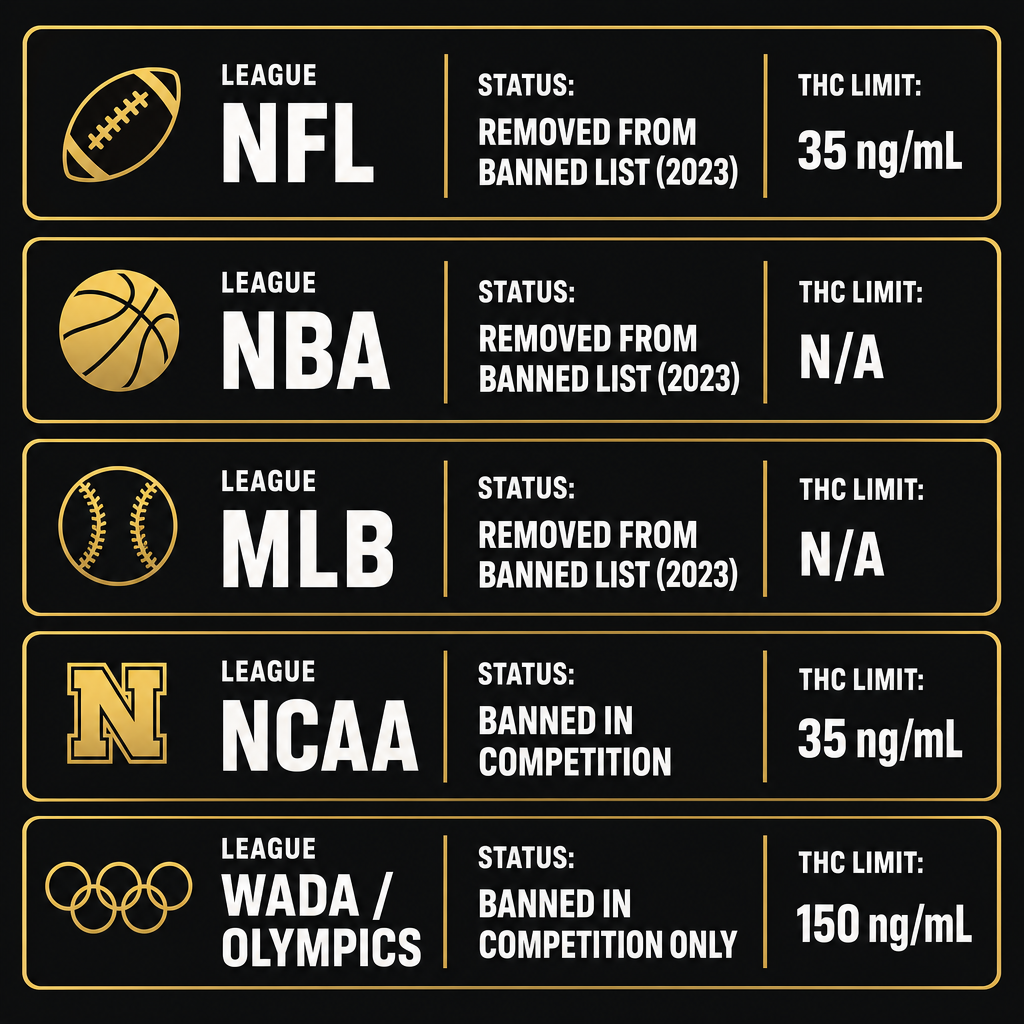
Over the past decade, cannabis has moved from the sidelines to the center of conversation in professional athletics. Major sports leagues once enforced strict penalties for athletes who tested positive, treating marijuana like harder substances with little distinction. Today, the landscape looks dramatically different. The NFL, NBA, and MLB all removed cannabis from their banned substance lists between 2022 and 2023, reflecting a broader shift in how society understands the plant. For Rockland County athletes and New York residents following these changes, understanding where the science stands — and where the controversy remains — is more relevant than ever.
The Changing Landscape of Cannabis in Athletics
The shift in cannabis policy across professional sports didn't happen overnight. It followed years of advocacy from players, emerging research on the plant's effects, and a growing recognition that prohibitionist approaches were out of step with state-level legalization trends. The NFL's collective bargaining agreement with its players in 2020 marked a turning point, moving cannabis testing thresholds and ultimately removing it from the banned list entirely. Similarly, the NBA and MLB updated their policies to reflect science rather than stigma.
This evolution extends beyond professional leagues. The National Collegiate Athletic Association (NCAA) and the World Anti-Doping Agency (WADA) have both adjusted their stances, though neither has fully removed cannabis from prohibited status. These changes signal a broader recalibration of how athletic governing bodies think about substances that were once automatically penalized. For competitive athletes in Rockland County and across New York, staying informed about these shifting rules has become an essential part of managing a professional or amateur career.
The conversation around cannabis in sports is no longer fringe. It sits at the intersection of athlete health, league policy, state law, and personal freedom — and it's only getting more complicated.
Cannabis and Athletic Performance: What Does the Research Say?
When it comes to the question of whether cannabis can genuinely improve athletic performance, the honest answer is: the evidence is mixed and often overstated. THC, the psychoactive compound in cannabis, does affect reaction time, coordination, and perceived exertion. For sports requiring precision and split-second decisions, these effects are generally considered detrimental rather than beneficial.
Some athletes claim that cannabis enhances their focus or reduces performance anxiety, but these subjective experiences are difficult to measure in controlled studies. Research published in journals including the British Journal of Sports Medicine has found little evidence that THC improves aerobic capacity, strength, or endurance. What the research does suggest is that any perceived performance benefits are more likely psychological — related to relaxation or pain tolerance — rather than physiological enhancements to muscle function or cardiovascular output.
The nuance matters here. Cannabis is not a traditional performance-enhancing drug in the way that anabolic steroids or erythropoietin (EPO) are. It doesn't build muscle or increase oxygen delivery. For athletes in Rockland County training for endurance events or competitive sports, relying on cannabis as a performance aid is not supported by the current scientific literature.
Recovery: The Real Case for Cannabis in Sports
If cannabis isn't a reliable performance enhancer, the evidence for its role in recovery is considerably stronger. This is where the conversation shifts from whether athletes can perform better to whether they can bounce back faster. Sleep disruption is one of the most common complaints among high-level athletes. The physical toll of training and competition creates a paradox — athletes need deep, restorative sleep to repair muscle tissue and consolidate gains, yet stress and pain often make that sleep elusive.
Emerging research points to cannabis as a potential aid for sleep quality, particularly strains higher in THC. Athletes in the NFL, NHL, and Olympic circles have begun speaking openly about using cannabis products to manage the insomnia that often follows major injuries or intensive training blocks. This is where the wellness angle becomes most compelling for Rockland County athletes seeking alternatives to pharmaceutical sleep aids.
Pain management represents another area where cannabis has gained traction. Chronic pain from injuries is a defining reality for many professional athletes, and the opioid crisis has made many wary of prescription painkillers. Cannabis offers a different mechanism — interacting with the body's endocannabinoid system to modulate pain perception without the same risk of dependency. Studies from organizations including Project CBD have highlighted anti-inflammatory properties in both THC and CBD, suggesting that cannabis may support recovery by reducing systemic inflammation after intense exertion.
Anxiety reduction round out the recovery trifecta. The mental health stakes in elite sports are enormous, and the pressure to perform can be crippling. Some athletes report that cannabis helps them unwind between competitions, reducing the anxiety that often accompanies high-stakes performance environments. This is not about enhancing performance in the moment — it's about creating the psychological conditions for sustainable athletic participation.
[Infographic 1: Brain Risks Associated with Cannabis Use]
The Controversy: Doping, Fairness, and Anti-Doping Rules
Despite the evolving policies of professional leagues, anti-doping agencies including WADA and USADA still prohibit cannabis during competition. The logic is rooted in the idea that any psychoactive substance that could affect judgment, reaction time, or mood poses a risk to athlete safety and the integrity of competition. Critics argue this position is outdated and inconsistently applied, given that alcohol — which clearly impairs performance and judgment — remains legal in most competitive settings.
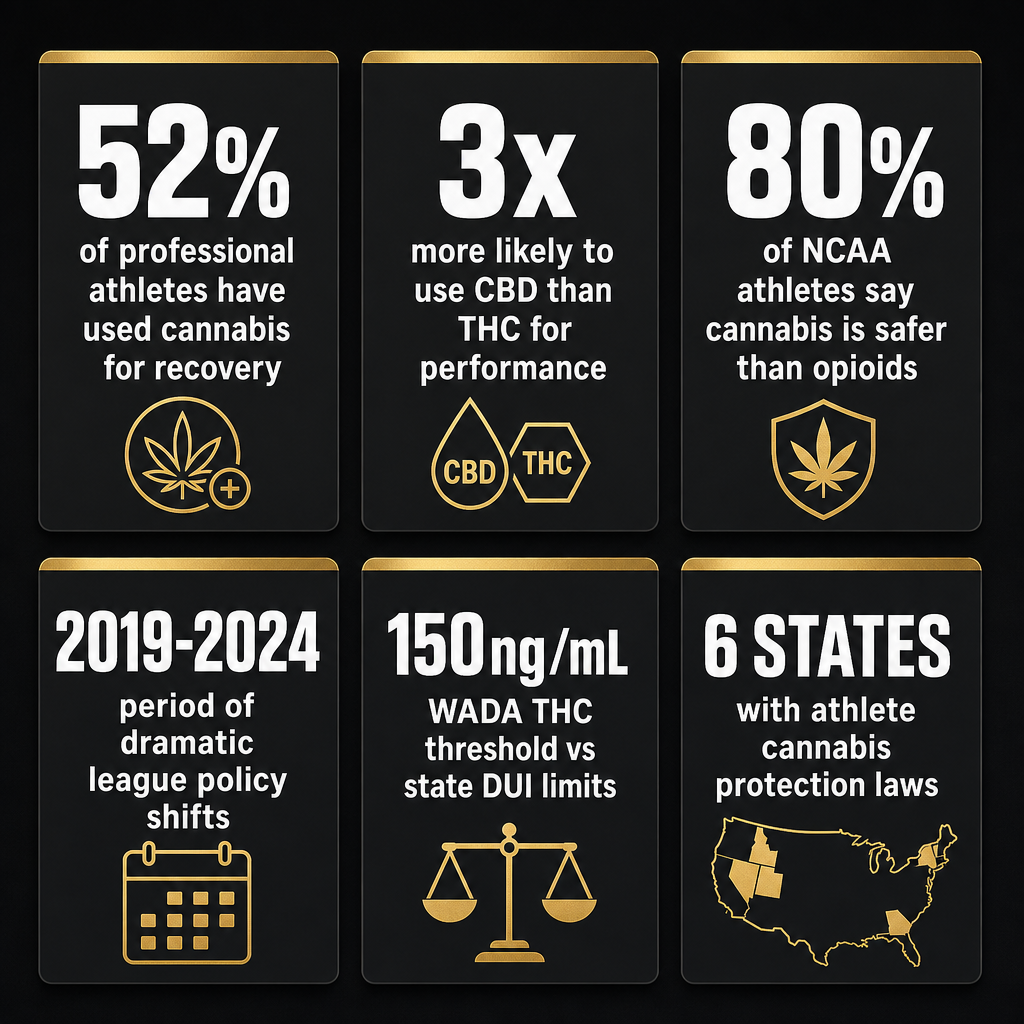
The WADA threshold of 150 nanograms of THC per milliliter of blood is notably higher than state DUI limits, which typically range from 2 to 5 ng/mL. This higher threshold suggests that casual, off-competition use is unlikely to trigger a positive test. Still, the rule remains controversial because it conflates legal recreational use with competitive fraud. Many advocates contend that punishing athletes for cannabis use outside of competition is a violation of personal autonomy and inconsistent with how other legal substances are treated.
The fairness debate cuts deeper than policy details. Opponents of cannabis prohibition in sports argue that it unfairly targets athletes in states where cannabis is legal, creating a patchwork of consequences based on geography rather than athletic merit. For athletes competing internationally, the discrepancy between WADA rules and U.S. state laws adds another layer of complexity. The conversation about cannabis in sports is ultimately a conversation about values — how we define fair play, athlete welfare, and the role of personal choice in professional life.
Athletes Speaking Out: Personal Stories and Advocacy
The shift in public attitudes toward cannabis has emboldened a growing number of athletes to speak openly about their use. Former NFL tight end Rob Gronkowski has discussed using CBD for post-game recovery, while former NHL player Riley Cote has become an advocate for psychedelic and cannabis therapies in professional hockey. Olympic athletes have shared similar stories, though many still remain cautious about public disclosure given lingering stigma.
These personal accounts matter beyond the individual. When high-profile athletes discuss cannabis openly, it reframes the conversation for fans, regulators, and younger competitors who might otherwise view the plant as taboo. The narrative has shifted from "cannabis as a vice" to "cannabis as a wellness tool" — a transformation that mirrors broader societal changes in how cannabis is understood.
For Rockland County athletes considering their options, these public discussions offer both inspiration and caution. The science is still catching up to the anecdotes, and league policies continue to evolve. What seems acceptable today may carry consequences tomorrow. Staying informed — and staying honest about what we do and don't know — is the responsible approach for any athlete navigating this space.
[Infographic 2: Key Statistics on Cannabis in Sports]
CBD vs. THC: What Athletes Are Actually Using
The distinction between CBD and THC is fundamental for any athlete exploring cannabis products. CBD (cannabidiol) is non-psychoactive, meaning it won't produce a "high" or impair cognitive function. THC (tetrahydrocannabinol) is the compound responsible for the psychoactive effects that most people associate with marijuana. Understanding this difference is critical because the two compounds have different legal and regulatory profiles, especially in competitive sports.
CBD has become the preferred option for athletes who want the potential recovery benefits — anti-inflammatory, sleep-supporting, anxiolytic — without risking impairment or positive drug tests. The World Anti-Doping Agency removed CBD from its prohibited list in 2018, making it a viable option for Olympic and professional athletes subject to anti-doping rules. High-quality CBD products, including oils and topicals, are widely available at licensed dispensaries including Treehouse Cannabis in Rockland County.
THC products carry greater complexity. While professional leagues like the NFL and NBA no longer test for cannabis, the NCAA and WADA still impose penalties for THC detection during competition. Athletes subject to these rules need to understand their specific sport's policies and the testing windows that apply to their competitive calendar. For recreational athletes in New York who don't compete under anti-doping rules, THC products offer a broader range of effects and potential wellness applications — but informed decision-making remains essential.
New York state legalized recreational cannabis in 2021, making it one of the most cannabis-friendly jurisdictions in the country. Rockland County residents can access licensed dispensaries that stock a range of products, from CBD isolates to full-spectrum THC formulations. Whether you're a competitive athlete or a weekend warrior in Orange County or Westchester County, understanding what you're putting in your body — and what the rules say about it — is part of being a responsible participant in sport.
FAQ
Is cannabis considered a performance-enhancing drug in sports?
Most major anti-doping agencies do not classify cannabis as a traditional PED, but WADA and USADA still ban THC in competition due to concerns about health, safety, and the spirit of sport. The rules continue to evolve.
Can CBD actually help with muscle recovery?
Research suggests CBD may help with inflammation, sleep quality, and pain management — all critical factors in athletic recovery. However, CBD products must be carefully sourced to ensure no THC contamination.
Why do some sports still ban cannabis when alcohol is legal?
This inconsistency is a frequent point of advocacy. Anti-cannabis rules in sports originated from stigma rather than science, and many argue that alcohol's legal status while cannabis remains banned reflects political rather than health-based reasoning.
What do New York athletes need to know about cannabis laws?
New York legalized recreational cannabis in 2021, but athletic governing bodies still enforce their own rules. Professional and collegiate athletes should understand both state law and their sport's specific policies.
Are there professional athletes who openly use cannabis?
Yes — including NFL players like Rob Gronkowski, NHL players, and Olympic athletes who have spoken publicly about using cannabis for recovery. The culture is shifting, though many still keep their use private.
Sources
- WADA - Cannabis and Sport
- Project CBD - Cannabinoids and Athletic Performance
- British Journal of Sports Medicine - Cannabis and Athletic Performance
- Leafly Science - THC and the Endocannabinoid System
- New York State Cannabis Law - Adult-Use Cannabis
This content is for educational purposes only and does not constitute medical advice. Treehouse Cannabis is a licensed adult-use dispensary. Must be 21+ to purchase.

Shop our products

Shop All

Flower

Pre-rolls
Vaporizers

Edibles
Drinks

Concentrates
Tinctures

Topicals

CBD

Pet CBD

Accessories