
The wellness trend going mainstream — why low-dose cannabis is replacing wine at the end of your day
Cannabis Microdosing: How to Take the Edge Off Without Getting High
Cannabis Microdosing: How to Take the Edge Off Without Getting High
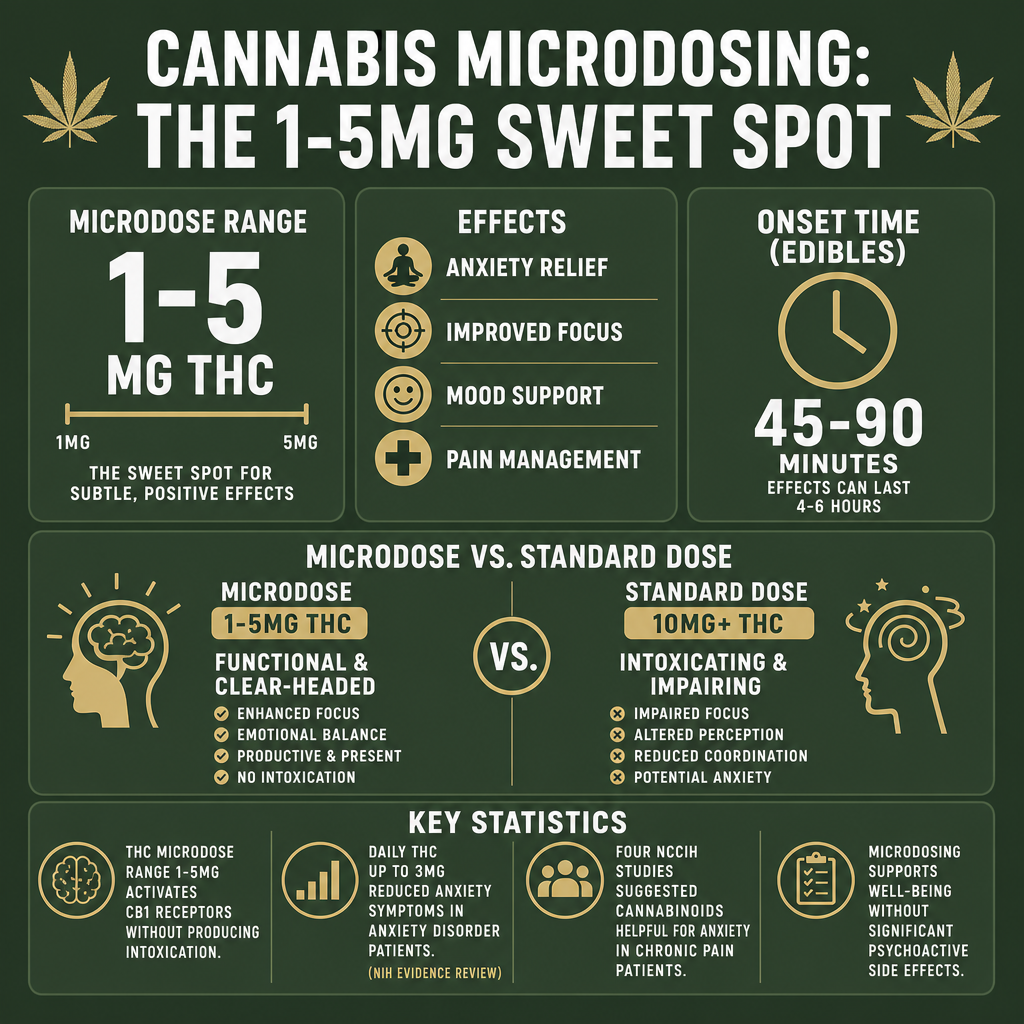
Cannabis microdosing is the practice of consuming very small amounts of THC — typically 1 to 5 milligrams — to access therapeutic benefits like anxiety relief, improved focus, and mood support without experiencing intoxication. Instead of chasing a high, microdosing targets a subtle shift in how you feel throughout the day. It is an approach that has grown significantly in New York as more adults explore cannabis for everyday wellness rather than recreational purposes.
The concept is simple: take the smallest effective amount and let your body's endocannabinoid system do the rest. At these doses, THC activates CB1 receptors in the brain just enough to produce measurable effects without saturating them. The result is functional, clear-headed relief that does not interfere with your ability to work, drive, or go about your day. Whether you are managing stress, navigating chronic pain, or simply looking for a better way to unwind, microdosing offers an alternative to both total abstinence and full intoxication.
The Science Behind Low-Dose Cannabis
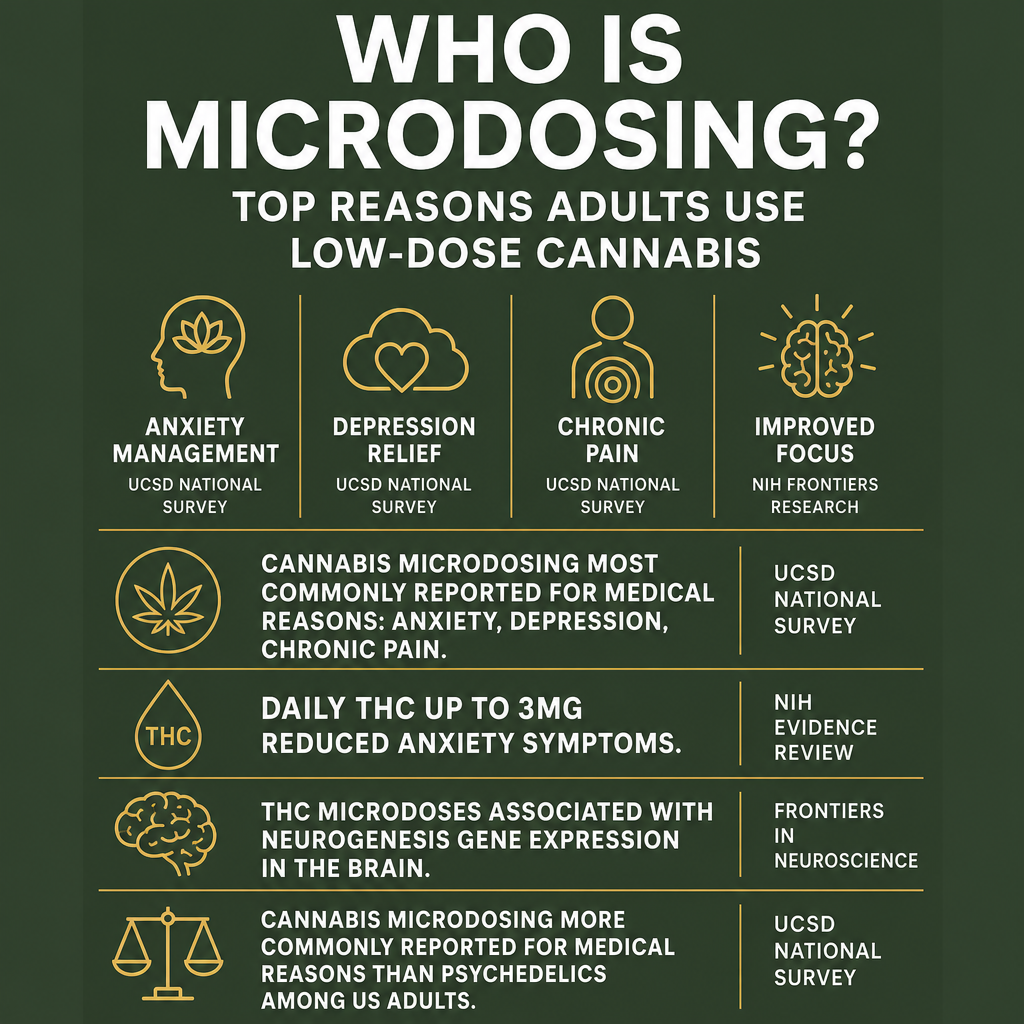
Research from the National Institutes of Health has provided growing evidence that low-dose THC can produce meaningful therapeutic effects. An evidence review published in Frontiers in Neuroscience found that THC microdoses were associated with differential gene expression linked to neurogenesis — essentially supporting the growth and development of new brain cells. This suggests the benefits of microdosing may extend beyond symptom management and into broader neurological health.
A separate NIH evidence review found that daily THC doses up to 3mg reduced anxiety symptoms in patients with anxiety disorders. The research also noted that cannabinoids may help with mood regulation more broadly, which is why so many adults are now turning to microdosing as a tool for mental wellness. The National Center for Complementary and Integrative Health further reported that four studies suggested cannabinoids may be helpful for anxiety in people dealing with chronic pain — a population that is particularly underserved by conventional treatments.
A national survey conducted by UCSD found that cannabis microdosing is now more commonly reported for medical reasons than psychedelics among US adults. The most frequently cited reasons included anxiety management, depression relief, and chronic pain. This data underscores a clear shift: cannabis is no longer viewed primarily as a recreational substance. For many people in New York and across the country, it is becoming a legitimate part of a daily wellness routine.
Microdosing for Anxiety: What the Research Says
Anxiety is one of the most common reasons adults explore cannabis microdosing, and the research is increasingly supportive of that use. NIH findings suggest that low-dose THC can help regulate the stress response by interacting with the brain's CB1 receptors in ways that promote calm without sedation. This is fundamentally different from how higher doses of cannabis tend to work, which is why microdosing has carved out its own distinct niche in the wellness space.
One of the key insights from the research is that smaller doses of THC can actually be more effective for anxiety than larger ones. When you consume a standard recreational dose — 10mg of THC or more — the CB1 receptors become saturated, which can sometimes amplify feelings of paranoia or unease, particularly in people who are newer to cannabis. At microdose levels, the activation is gentle and controlled, which supports a more stable, grounded experience.
At Treehouse Cannabis, we have heard from many customers in the New York area who were initially skeptical about cannabis but found that a low-dose approach made a meaningful difference in their daily stress levels. The key is starting low — typically 1 to 2mg — and giving your body time to respond before adjusting. The effects of microdosing are subtle enough that journaling your experience is one of the best tools for finding your ideal amount.
How to Microdose Cannabis: A Practical Guide
Microdosing cannabis starts with choosing the right product. Edibles and tinctures are the preferred methods for microdosing because they offer precise control over dose size, unlike smoking where THC absorption can vary significantly from puff to puff. Look for products in New York dispensaries that are specifically labeled with their THC content — ideally in the 1 to 5mg per serving range.
The suggested approach is to begin with 1 to 2mg of THC, then wait 45 to 90 minutes before deciding whether to take more. This waiting period is critical because edibles process through the liver, which means the effects develop more slowly than with inhalation. Many people make the mistake of re-dosing after 15 or 20 minutes because they do not feel anything yet, which can lead to taking too much.
Keeping a simple log — date, time, dose amount, what you ate beforehand, and how you felt over the next two hours — will help you build a clear picture of what works for your body. Over time, most people find a rhythm that fits their schedule: perhaps a morning microdose for focus and an evening one for unwinding. The goal is consistency and gradual adjustment, not rapid escalation.
Microdosing vs. Getting High: What's the Real Difference?
The difference between microdosing and getting high comes down to the amount of THC entering your system and how fully it activates your CB1 receptors.
Microdosing is designed to keep you in control. You should be able to maintain a conversation, focus on work, exercise, or handle responsibilities without feeling impaired. The therapeutic benefits — anxiety relief, gentle mood support, physical comfort — are present, but they blend into the background of your day rather than taking over your experience.
Getting high, by contrast, is a more pronounced experience that most people associate with the recreational use of cannabis. It can be enjoyable and serve a purpose, but it is not compatible with activities that require full cognitive function. Understanding this distinction is what makes microdosing such a useful tool for people who want the benefits of cannabis without the disruption that comes with being intoxicated.
Is Microdosing Right for You?
Microdosing appeals most to people who are looking for a middle path: the benefits of cannabis without the impairment. It is particularly popular among adults managing anxiety, chronic pain, insomnia, or focus challenges — conditions that are common but often inadequately addressed by conventional approaches. If you have been curious about cannabis but were unsure where to start, microdosing offers a low-risk, structured entry point.
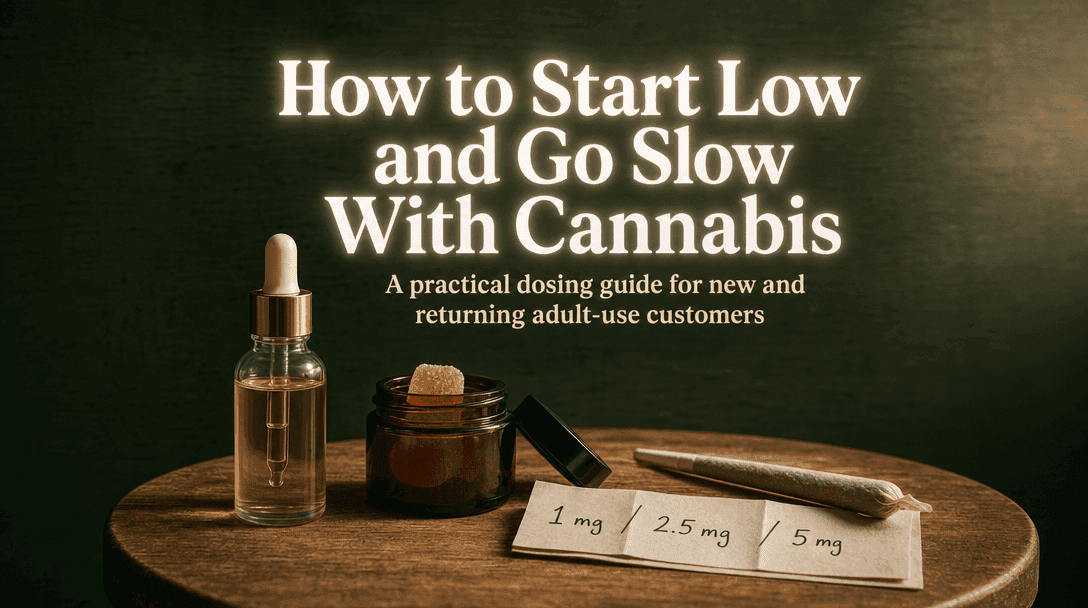
The golden rule of cannabis applies especially strongly to microdosing: start low and go slow. Even at very low doses, everyone's Endocannabinoid system responds differently based on factors like metabolism, body weight, tolerance level, and whether you have eaten. Certain medications can also interact with cannabis, so it is worth discussing cannabis use with a healthcare provider if you are on any prescription treatments.
For those in Rockland County, Orange County, and Westchester County, finding reliable, lab-tested low-dose products is straightforward when you shop at a licensed New York dispensary like Treehouse Cannabis. Our team can help guide you toward products that are precisely calibrated for microdosing, so you are not guessing at how much THC you are consuming.
Ready to explore microdosing? Visit Treehouse Cannabis in New York for lab-tested low-dose edibles, tinctures, and products calibrated for precise microdosing — no guesswork, just wellness.
Frequently Asked Questions
What is a cannabis microdose?
A cannabis microdose is typically 1 to 5mg of THC — a dose low enough to activate your body's CB1 receptors and deliver therapeutic effects like anxiety relief or focus enhancement without producing a high. This is the range most commonly used by people who microdose for wellness purposes.
How much THC is in a microdose?
Most microdoses contain 1 to 5mg of THC. Many people start at 1 to 2mg and titrate up slowly based on how their body responds. This is dramatically less than a standard recreational edible dose, which usually starts at 10mg of THC or more.
Can microdosing help with anxiety?
Research suggests it can. An NIH evidence review found that daily THC doses up to 3mg reduced anxiety symptoms in patients. A UCSD national survey also found cannabis microdosing most often reported for managing anxiety and depression, indicating it is one of the most common reasons people adopt the practice.
How often should you microdose?
Most protocols suggest taking a low dose once or twice daily, with breaks on weekends or every four to five days to prevent tolerance buildup. Consistency matters more than frequency — track what works for you and adjust gradually based on your experience and goals.
Is microdosing safer than taking normal doses?
Lower doses carry a lower risk of negative side effects like paranoia, dry mouth, or impaired coordination. However, everyone reacts differently to cannabis — start low, go slow, and consult a healthcare provider if you are taking other medications that could interact with THC.
Sources
- NIH / PMC — Cannabinoid Microdoses and Alzheimer's
- NIH / PMC — Evidence Review on Cannabinoids and Anxiety
- UCSD Today — Cannabis Microdosing National Survey
- NCCIH (NIH) — Cannabis, Marijuana, and Cannabinoids: What You Need to Know
- Frontiers in Neuroscience — THC Microdoses and Neurogenesis
This content is for educational purposes only and does not constitute medical advice. Treehouse Cannabis is a licensed adult-use dispensary. Must be 21+ to purchase.

Shop our products

Shop All
Flower
Pre-rolls
Vaporizers

Edibles
Drinks
Concentrates
Tinctures

Topicals
CBD

Pet CBD
Accessories