
The bridge between science and consumer understanding inside New York dispensaries.
The Role of Budtenders: How They Help You Navigate the Menu

Written by
Treehouse Cannabis
The Role of Budtenders: How They Help You Navigate the Menu

Walking into a dispensary for the first time can feel overwhelming. With dozens of strains, edibles, oils, and concentrates lining the shelves, knowing where to start isn't always clear. That's where budtenders come in—the knowledgeable professionals who bridge the gap between your cannabis curiosity and finding products that actually work for you.
This guide is for anyone who's ever felt lost in a dispensary, from complete beginners to experienced users looking to try something new. Budtenders do much more than ring up sales; they're educators, guides, and safety advocates rolled into one.
We'll explore what budtenders actually do behind the counter and the extensive training that prepares them to help you. You'll also discover how they create welcoming spaces where questions are encouraged, plus the behind-the-scenes work that keeps dispensaries running smoothly—work you probably never see but definitely benefit from.
What Exactly Does a Budtender Do?
A Guide for First-Time Dispensary Visitors
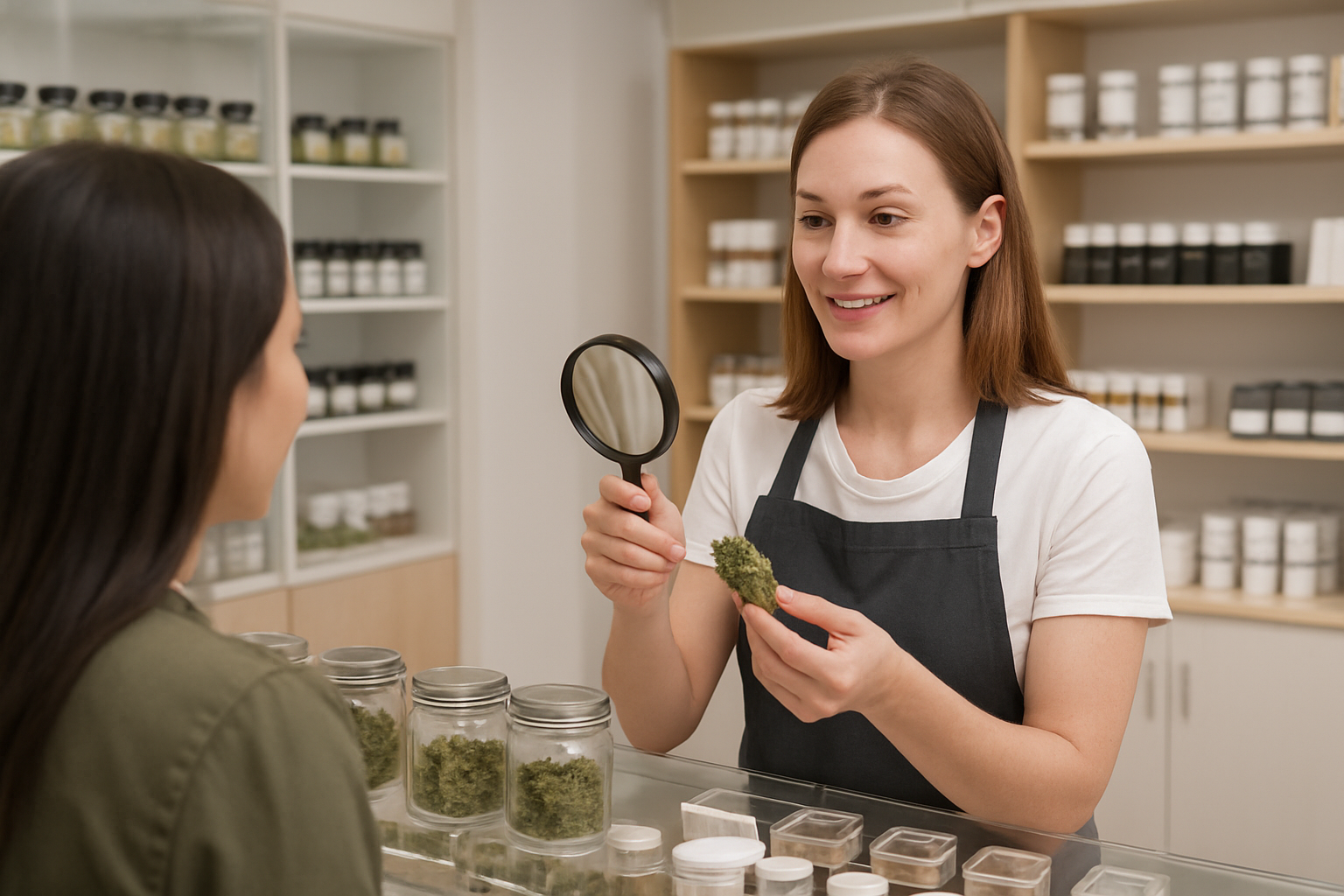
Budtenders serve as essential guides who enrich every visit with their knowledge and care, particularly for customers stepping into a dispensary for the first time. These professionals understand that entering a cannabis dispensary can feel overwhelming for newcomers, which is why they create a welcoming and inclusive environment for all customer types, from first-time users to seasoned enthusiasts.
When first-time visitors walk through the doors, budtenders immediately recognize the importance of establishing comfort and trust. They listen attentively to customer concerns, clarify doubts, and provide non-judgmental advice, fully recognizing the sensitive nature of cannabis use. This approach helps eliminate the anxiety that many newcomers experience when exploring cannabis products for the first time.
The complexity of modern dispensaries can be intimidating, with countless product options, varying potencies, and different consumption methods. Budtenders act as crucial navigators through this complex and often overwhelming variety of cannabis products available in dispensaries, ensuring that each first-time visitor receives personalized guidance tailored to their specific comfort level and interests.
The Bridge Between Customers and Cannabis Education
Beyond simple transactions, budtenders function as the vital connection point between customers and comprehensive cannabis education. Their roles extend far beyond basic sales to encompass educating customers about products, advocating for safe use practices, and even influencing cannabis trends within the community.
These professionals assist consumers in making proper choices based on their individual needs, desires, and goals. Rather than applying a one-size-fits-all approach, budtenders take time to understand each customer's unique situation, whether they're seeking recreational enjoyment, wellness benefits, or specific therapeutic effects.
The educational aspect of their role involves breaking down complex cannabis science into digestible information that customers can understand and apply. They explain different cannabinoid profiles, terpene effects, consumption methods, and dosage recommendations, transforming what could be confusing technical details into practical knowledge that enhances the customer experience.
Why Budtenders Matter in Licensed NY Dispensaries
In New York's regulated cannabis market, budtenders play an especially critical role in fostering positive experiences for customers navigating the legal cannabis landscape. Their expertise becomes particularly valuable for medical cannabis patients, where budtenders offer empathetic support by discussing specific conditions and recommending targeted products designed to alleviate particular symptoms.
The professional standards required in licensed dispensaries mean that budtenders must maintain high levels of product knowledge while ensuring compliance with state regulations. They serve as advocates for safe use practices, helping customers understand proper dosing, potential interactions, and responsible consumption habits that align with New York's legal framework.
Licensed NY dispensaries rely on budtenders to maintain the integrity and reputation of the legal cannabis industry. These professionals ensure that every customer interaction reflects the values of safety, education, and responsible use that distinguish legal dispensaries from unregulated alternatives, ultimately contributing to the broader acceptance and success of cannabis legalization in New York.
The Training Behind the Counter
Understanding Regulations, Products, and Safety
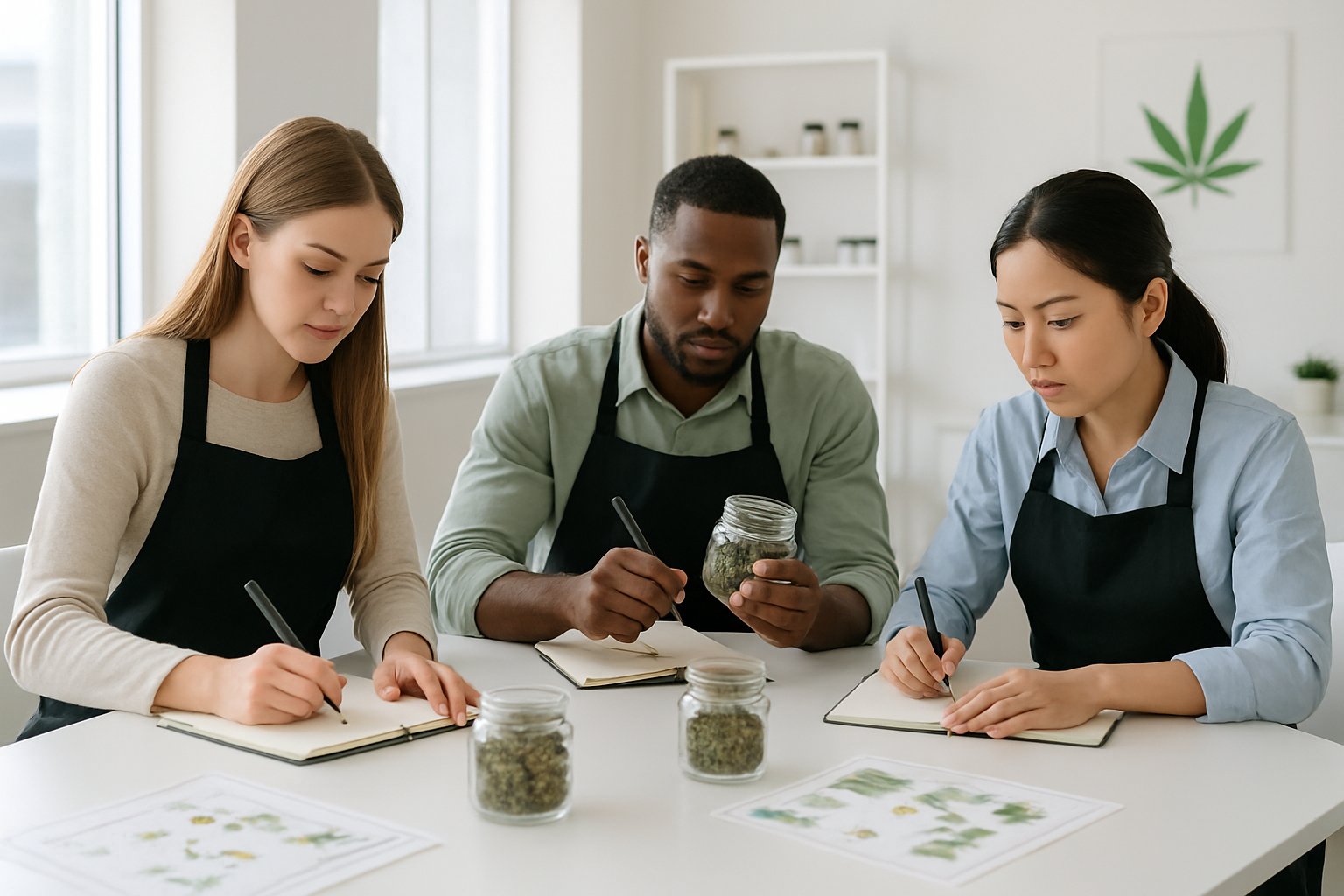
Budtenders undergo extensive training that goes far beyond simply knowing product names and prices. New hires typically complete 20-40 hours of initial education covering state regulations, product knowledge, and safety protocols. This training covers the fundamentals of cannabis compounds like THC, CBD, and terpenes, teaching budtenders how different ratios affect user experience.
Safety training forms a critical component, with budtenders learning proper handling procedures, storage requirements, and contamination prevention. They master inventory tracking systems that monitor every gram from seed to sale, ensuring compliance with strict state oversight. Product knowledge extends to understanding cultivation methods, extraction processes, and consumption methods, enabling them to guide customers toward appropriate choices.
The regulatory component covers age verification, purchase limits, and proper documentation procedures. Budtenders learn to identify valid identification, understand possession limits, and navigate complex rules around medical versus recreational sales. Many dispensaries also provide customer service training focused on creating comfortable experiences for cannabis newcomers.
How Budtenders Stay Updated on NY Cannabis Rules
New York's cannabis landscape changes rapidly, with new regulations, licensing requirements, and product categories emerging regularly. Budtenders stay current through multiple channels, including mandatory continuing education courses, industry newsletters, and regular staff meetings where management shares regulatory updates.
The Office of Cannabis Management frequently updates rules around packaging, labeling, testing requirements, and advertising restrictions. Budtenders receive training on these changes through online modules, webinars, and hands-on workshops. Many attend industry conferences and networking events where regulatory experts break down complex legal language into practical applications.
Dispensaries often subscribe to compliance services that provide real-time updates on rule changes. These services help budtenders understand how new regulations affect daily operations, from product placement to customer interactions. Regular compliance audits also serve as learning opportunities, highlighting areas where staff need additional training or clarification.
Continuous Learning in a Growing Industry
The cannabis industry evolves constantly, with new products, consumption methods, and scientific research emerging regularly. Budtenders participate in ongoing education through manufacturer training sessions, where product representatives explain new items and their applications. These sessions cover everything from innovative vaporizer technology to novel edible formulations.
Many budtenders pursue additional certifications through organizations like the Cannabis Training University or Trichome Institute. These programs deepen their understanding of plant genetics, extraction methods, and therapeutic applications. Some dispensaries encourage staff to attend cannabis conferences, trade shows, and seminars where they network with growers, manufacturers, and other industry professionals.
Product manufacturers frequently conduct on-site training sessions, teaching budtenders about specific brands, dosing guidelines, and customer targeting. This direct manufacturer training helps budtenders become authentic product advocates who can share firsthand knowledge with customers. Regular menu tastings and product sampling sessions also keep budtenders current on inventory changes and seasonal offerings.
Helping Customers Navigate the Menu
Explaining Flower, Edibles, Vapes, and More
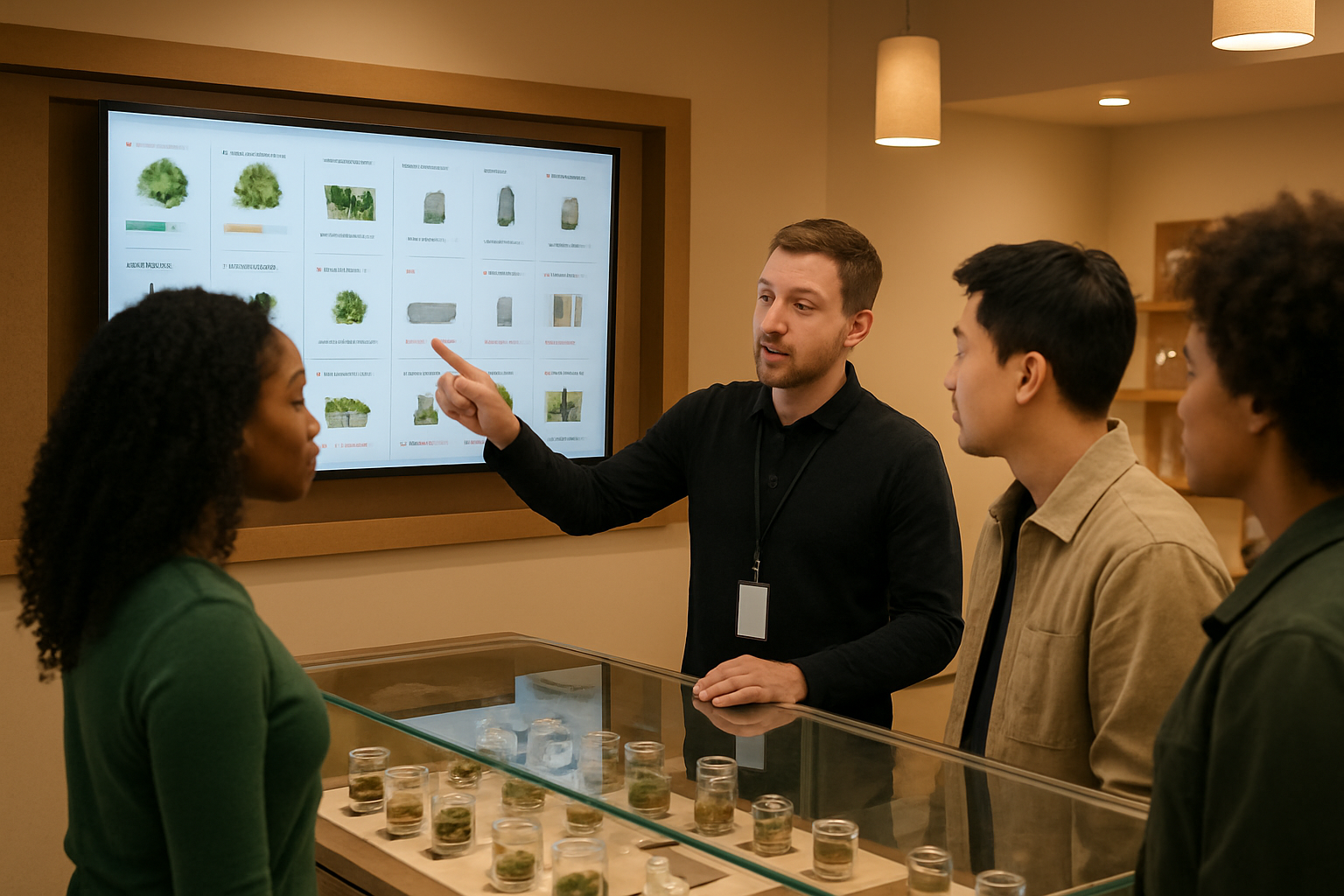
Walking into a dispensary can feel overwhelming with shelves lined with different products, each serving unique purposes. Budtenders excel at breaking down these categories into digestible information that makes sense for every customer's needs.
When it comes to flower, budtenders explain the differences between indica, sativa, and hybrid strains without getting lost in complex genetics. They describe how smoking or vaping flower provides faster onset times compared to other consumption methods, typically within minutes. For customers new to cannabis, they'll walk through grinding techniques, proper storage, and even basic rolling tips.
Edibles present their own learning curve, and budtenders shine when explaining onset times, dosing, and duration. They help customers understand why that gummy might take two hours to kick in and last up to eight hours. Many budtenders share personal anecdotes about dosing experiences, making the conversation relatable rather than clinical.
Vape cartridges and concentrates require different explanations entirely. Budtenders demonstrate how different battery settings affect vapor production and explain why live resin costs more than distillate. They break down extraction methods in simple terms, helping customers understand what they're purchasing.
Beyond the main categories, budtenders navigate customers through topicals for localized relief, tinctures for precise dosing, and specialty products like suppositories or transdermal patches. Each product type serves different needs, and skilled budtenders match products to lifestyles rather than pushing the most expensive options.
How Budtenders Break Down Terpenes and Aromas
Terpenes sound intimidating, but good budtenders transform this scientific concept into something accessible and practical. Instead of rattling off chemical names, they connect terpenes to familiar scents and experiences customers already know. For example, Budtender and lead educator at Treehouse Cannabis in Nyack, New York, Greg brings knowledge, passion, and clarity to cannabis conversations. Through Terp Talk Tuesday, he breaks down terpenes for viewers in an easy-to-understand format.
When a customer smells a strain heavy in limonene, budtenders might say "notice that citrusy smell, like lemon peels?" They explain how this same compound appears in citrus fruits and may contribute to uplifting effects. Myrcene gets described as earthy or musky, similar to hops in beer, and budtenders mention its potential relaxing properties.
The smell test becomes a crucial part of the selection process. Budtenders encourage customers to trust their noses, explaining that if a strain doesn't smell appealing, it probably won't provide the desired experience. They open jars methodically, allowing customers to compare different aromatic profiles side by side.
Rather than memorizing complex terpene charts, experienced budtenders focus on practical applications. They might explain that pinene-dominant strains smell like pine trees and could help with alertness, or that linalool-heavy varieties carry lavender-like scents associated with relaxation.
Smart budtenders also acknowledge that terpene science is still evolving. They present information as general guidance rather than absolute facts, encouraging customers to experiment and find what works for their individual body chemistry.
Answering Questions Without Making Recommendations
Professional budtenders walk a careful line between being helpful and staying compliant with regulations. They can't diagnose conditions or promise specific medical outcomes, but they excel at providing general information and helping customers make informed decisions.
When customers ask about pain relief, budtenders might discuss how different cannabinoid ratios work generally, without promising specific results. They share what other customers have reported about similar products, always emphasizing that individual experiences vary widely.
Questions about dosing get handled with careful language. Instead of saying "take this much," budtenders explain general dosing principles like "start low and go slow" with edibles, or discuss how tolerance affects consumption patterns. They provide dosing ranges that manufacturers suggest rather than personal recommendations.
Sleep-related questions come up frequently, and budtenders navigate these by discussing product categories and general effects without making medical claims. They might explain how indica-dominant strains are traditionally associated with relaxation, while acknowledging that everyone's body responds differently.
The best budtenders turn restriction into empowerment. They teach customers how to read lab results, understand potency labels, and track their own responses. By providing educational tools rather than direct advice, they help customers become more confident and independent in their cannabis journey.
This approach builds trust and keeps dispensaries compliant while ensuring customers leave with the knowledge they need to make informed choices about their cannabis consumption.
Creating a Safe and Welcoming Experience
The Importance of ID Checks and Responsible Service
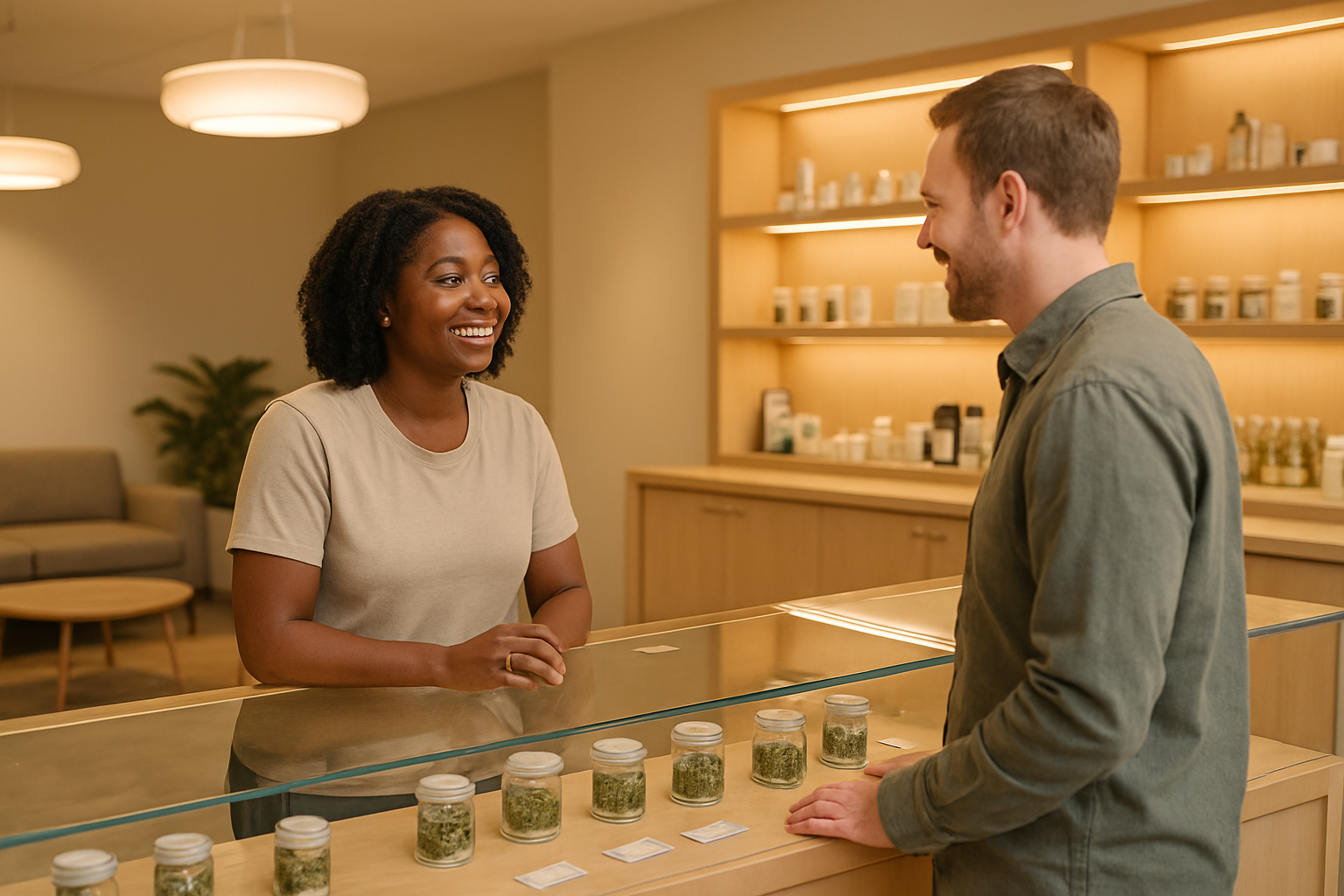
Budtenders act as the first line of defense in maintaining legal compliance and ensuring responsible consumption. Every customer who walks through the door gets their identification thoroughly checked, regardless of age or appearance. This isn't just about following regulations—it's about protecting the business, the community, and the customers themselves.
Beyond age verification, experienced budtenders watch for signs that someone might already be under the influence of cannabis or other substances. They're trained to recognize when it's appropriate to refuse service, even when it's legally permissible. This responsibility extends to monitoring purchase limits, tracking customer buying patterns, and educating consumers about safe consumption practices.
Quality budtenders also understand the importance of product integrity. They ensure that all cannabis products are properly stored, labeled, and handled according to safety standards. They check expiration dates, maintain proper storage temperatures, and can explain third-party lab testing results to customers who want to understand potency and purity levels.
Making New Consumers Feel Comfortable
Walking into a dispensary for the first time can feel overwhelming. The terminology, product variety, and legal considerations create a perfect storm of confusion for newcomers. Skilled budtenders recognize this anxiety and adjust their approach accordingly.
They start by asking open-ended questions about the customer's goals and experience level. Rather than diving into technical details about terpenes and cannabinoid profiles, they focus on understanding what the person hopes to achieve. Are they looking for pain relief? Better sleep? Social relaxation? This information helps guide product recommendations in terms that make sense to beginners.
Great budtenders create a judgment-free environment where customers feel safe asking basic questions. They explain consumption methods in simple terms, discuss onset times and duration, and provide clear dosing guidelines. They might recommend starting with lower-potency products or suggest microdosing strategies that help new users find their comfort zone without negative experiences.
The physical environment plays a role too. Budtenders help customers navigate the space, explain the layout, and walk them through the purchasing process step by step. They understand that what seems routine to industry professionals can feel foreign and intimidating to someone making their first legal cannabis purchase.
How Budtenders Support Informed Adult Use
Education remains at the heart of responsible budtending. These professionals serve as living libraries of cannabis knowledge, helping customers make informed decisions based on scientific understanding rather than outdated stereotypes or marketing hype.
They explain the difference between indica, sativa, and hybrid strains while acknowledging that modern cannabis science has moved beyond these simple categories. They discuss how different consumption methods affect onset time and duration, helping customers choose between flower, edibles, tinctures, or concentrates based on their specific needs and lifestyle.
Budtenders also address common misconceptions about cannabis use. They might explain why "more potent" doesn't always mean "better," or help customers understand that CBD and THC work differently and serve different purposes. They provide honest assessments of what cannabis can and cannot do, steering customers away from products that won't meet their expectations.
Many budtenders keep detailed notes about customer preferences and experiences, creating a personalized service that improves with each visit. They remember which products worked well for specific customers and can suggest similar options or warn about potential issues based on past purchases.
This educational approach extends to harm reduction strategies. Budtenders discuss safe storage practices, especially for customers with children or pets at home. They explain drug interactions for customers taking medications and provide resources for those who might want additional support or information about cannabis use.
Behind the Scenes: What Budtenders Do You Don’t See
Inventory Work, Organization, and Compliance Tasks
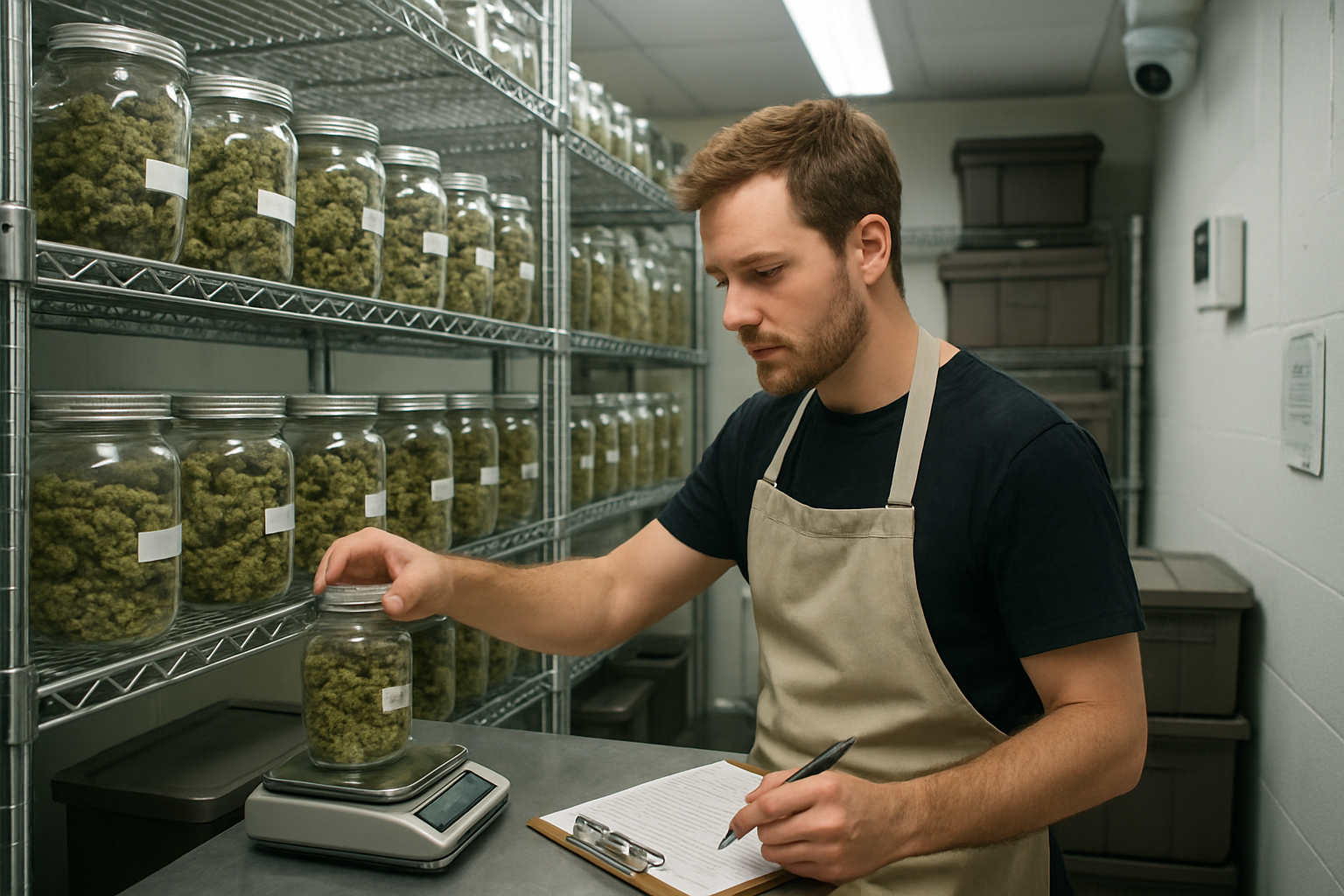
Budtenders spend a significant portion of their day managing inventory systems that track every gram, every product, and every transaction. They're constantly updating digital systems to reflect what's been sold, what needs restocking, and what's running low. This isn't just about keeping shelves full - it's about maintaining precise records that regulatory agencies require.
State compliance demands meticulous documentation. Budtenders input data into seed-to-sale tracking systems, ensuring every product has proper documentation from cultivation to point of sale. They check expiration dates, verify lab test results, and remove products that don't meet quality standards. When shipments arrive, they carefully inspect each item, matching it against manifests and entering batch numbers into the system.
Organization goes beyond simple tidying. Budtenders rotate stock using first-in, first-out principles, organize products by strain type, potency levels, and consumption methods. They create logical flow patterns that make sense for both customers and staff, grouping similar products together while keeping high-security items properly secured.
The paperwork never stops. Daily reports, weekly inventory counts, monthly compliance audits - budtenders handle mountains of documentation that keeps dispensaries operating legally. They reconcile cash drawers, balance sales reports, and prepare data for accountants and regulatory inspections.
Maintaining a Clean, Professional Sales Floor
The dispensary floor requires constant attention that goes far beyond basic cleaning. Budtenders sanitize display cases multiple times daily, ensuring glass surfaces remain spotless and product showcases look pristine. They wipe down counters, clean scales after each use, and sanitize shared tools like magnifying glasses and smell jars.
Product displays need frequent refreshing. Budtenders swap out sample jars when products get stale, replace wilted flower displays, and ensure packaging remains crisp and appealing. They adjust lighting to showcase products at their best, rearrange displays based on seasonal promotions, and keep informational materials current and readable.
Security maintenance falls on budtenders too. They test alarm systems, check camera angles, verify that security doors function properly, and ensure restricted areas remain properly secured. They monitor who enters and exits, maintain visitor logs, and keep track of temporary badges for delivery personnel and inspectors.
Preparing the Store for Each Day's Service
Opening procedures start well before the first customer arrives. Budtenders unlock multiple security layers, disable alarm systems following specific protocols, and conduct thorough walkthroughs to check for any overnight issues. They power up point-of-sale systems, verify internet connections, and ensure all digital displays are functioning.
Cash management requires careful attention. Budtenders count starting cash, verify deposits from previous days, and prepare change for registers. They check that all payment processing systems work correctly and troubleshoot any technical issues before customers arrive.
Product preparation involves checking display cases, ensuring sample jars are fresh, verifying that all price tags match current inventory, and confirming that promotional materials reflect current deals. They review daily specials, check staff schedules, and prepare any special orders that customers will pick up that day.
Communication plays a huge role in daily prep. Budtenders review notes from previous shifts, check for inventory alerts, read updates about new products or policy changes, and coordinate with managers about the day's priorities. They prepare educational materials for new products and review talking points for items they'll be recommending to customers.
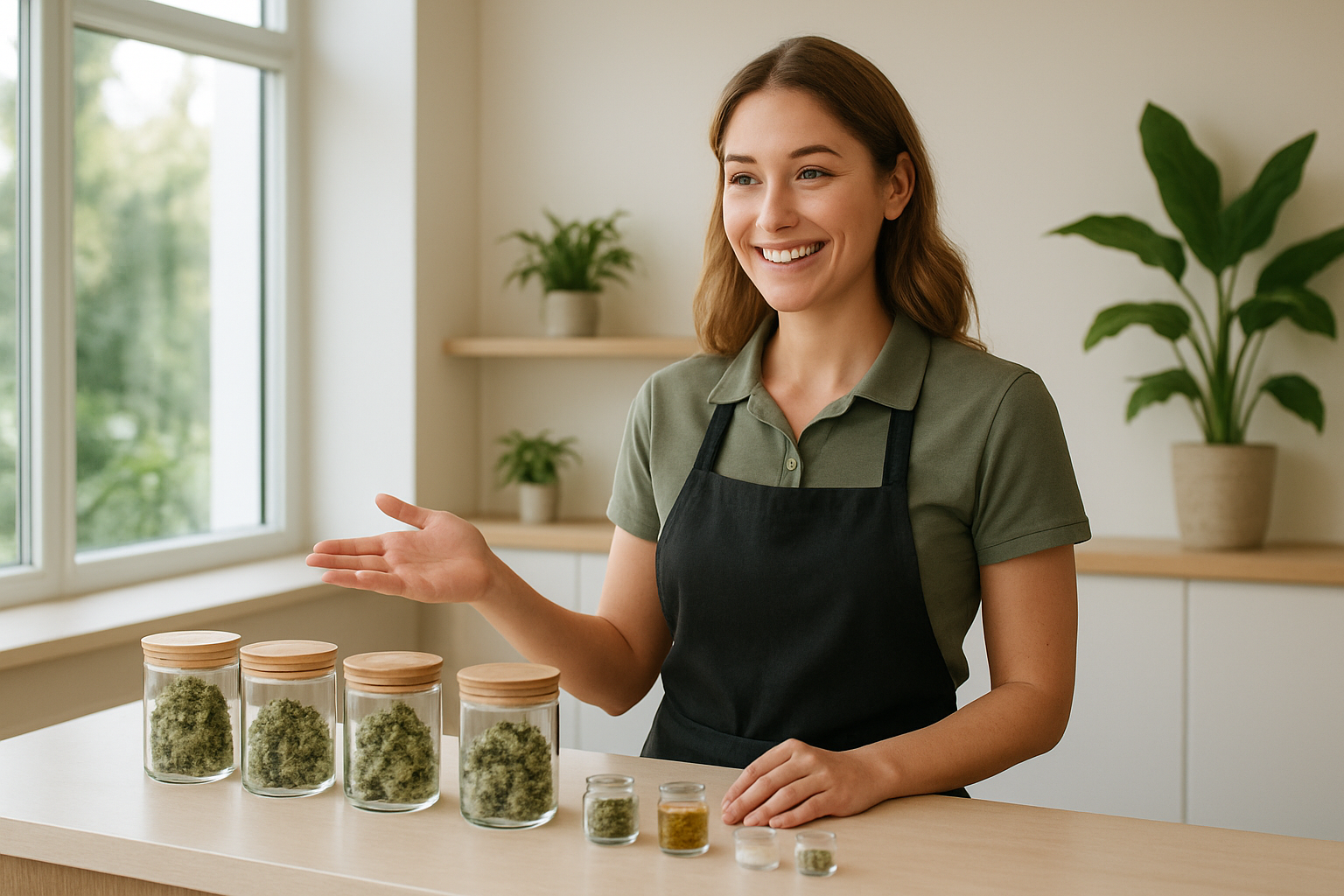
Budtenders serve as the backbone of the dispensary experience, combining extensive product knowledge with genuine care for customer wellbeing. From their comprehensive training to their ability to create personalized recommendations, they transform what could be an overwhelming shopping experience into an educational journey. Their expertise extends beyond the sales floor, encompassing safety advocacy, trend influence, and the countless behind-the-scenes efforts that ensure every customer receives the attention they deserve.
The next time you visit a dispensary, remember that budtenders are your trusted guides in navigating the diverse world of cannabis products. Don't hesitate to engage with their expertise, ask questions about strains and effects, and share your preferences openly. Their knowledge and dedication to responsible consumption make them invaluable partners in helping you find the perfect products to meet your individual needs and enhance your overall cannabis experience.



Shop our products

Shop All

Flower

Pre-rolls
Vaporizers

Edibles
Drinks

Concentrates
Tinctures

Topicals

CBD

Pet CBD

Accessories