
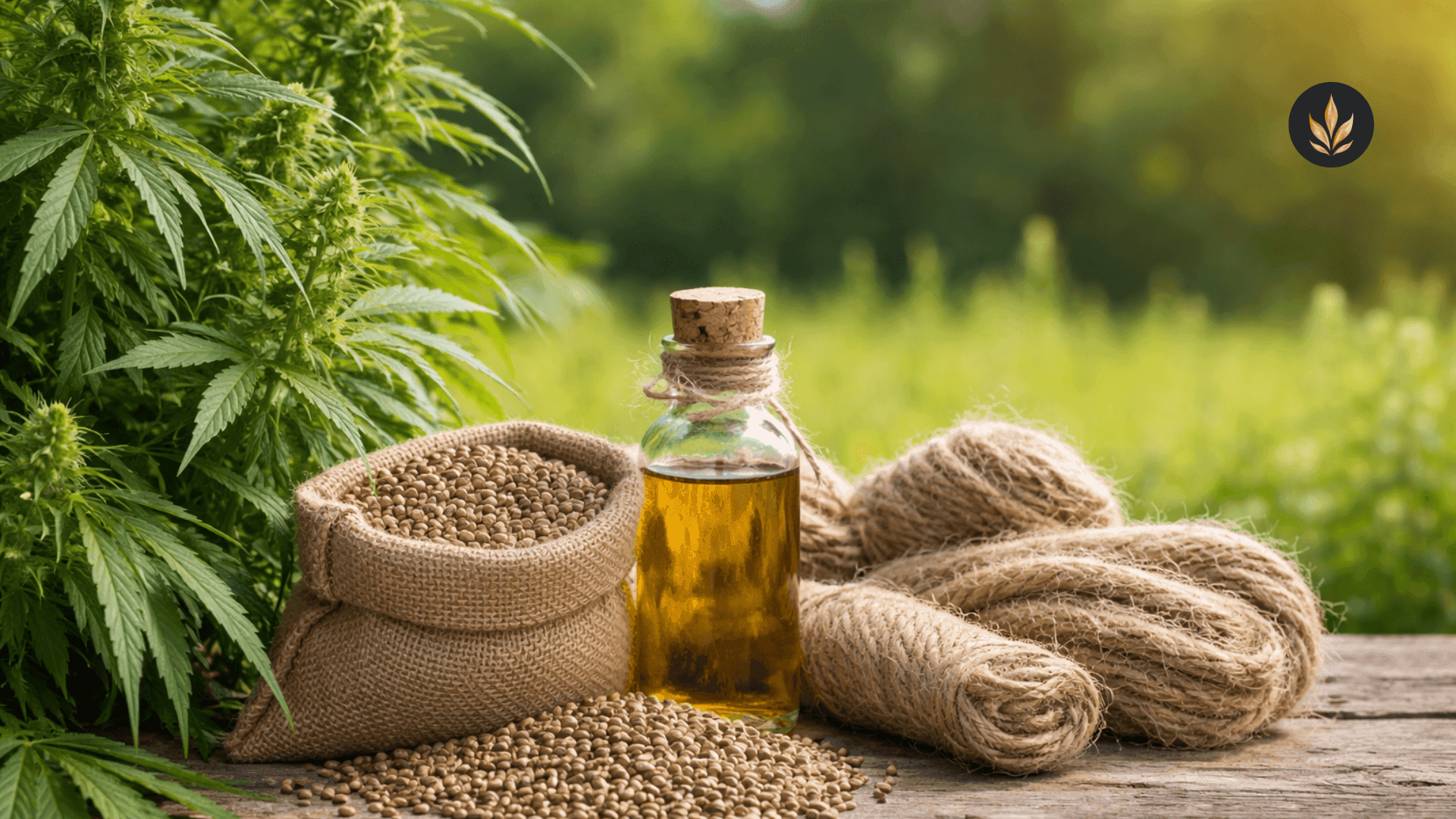
A beginner-friendly guide to hemp, its uses, and legal status for National Hemp Day
What Is Hemp and How Is It Used?

Written by
Treehouse Cannabis
What Is Hemp and How Is It Used?
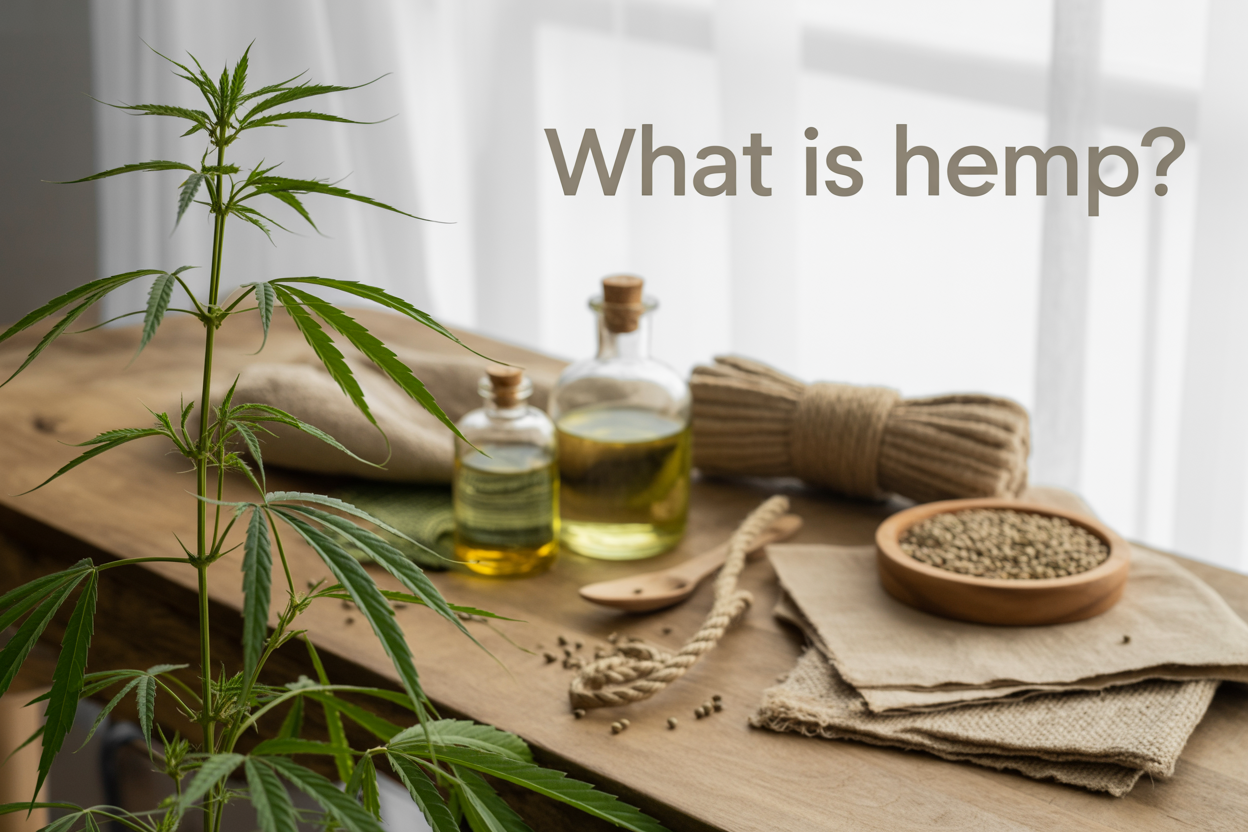
Hemp often gets confused with marijuana, but these are two very different plants with distinct purposes. If you're curious about what hemp actually is, wondering about its many uses, or trying to understand hemp-derived products, this guide breaks down everything you need to know in simple terms.
Hemp is a variety of the Cannabis sativa plant that's been grown for thousands of years as an industrial crop - not for any mind-altering effects. This versatile plant produces strong fibers, nutritious seeds, and valuable compounds that show up in everything from clothing to food.
We'll cover what hemp really is and how it differs from its cousin marijuana, explore the surprising range of hemp uses from textiles to construction materials, and explain the various hemp-derived compounds like CBD that have captured so much attention lately. You'll also discover why hemp matters more than ever as we look for sustainable alternatives in everything from plastic to protein sources. At Treehouse, education is a core part of how we engage with our community. Through our ongoing educational content and in-store learning initiatives, we aim to help customers better understand cannabis, hemp, and the broader plant science behind regulated products in New York.
What Is Hemp?
How Hemp Differs From Marijuana
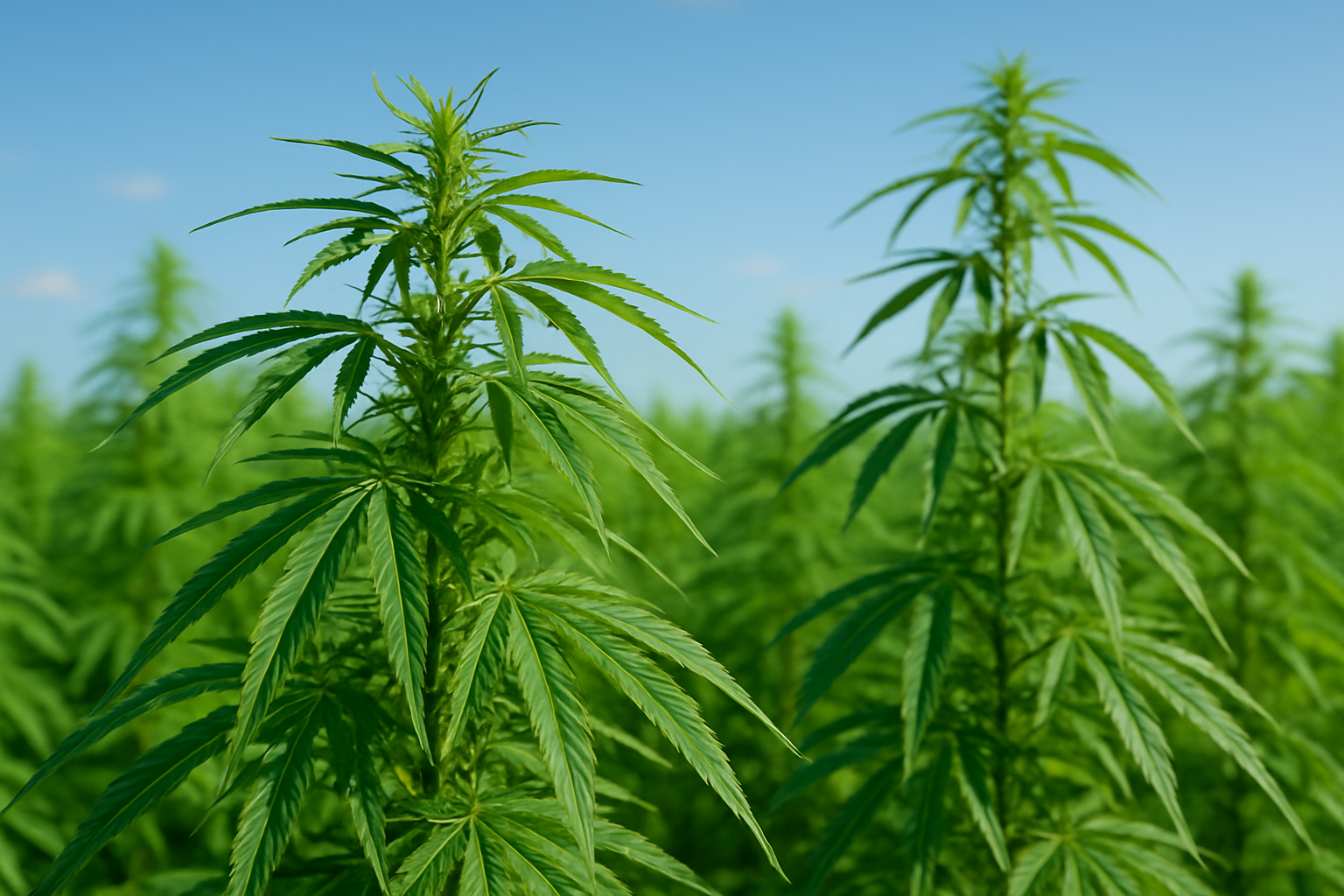
Hemp represents a specific variety of Cannabis sativa that has been cultivated for thousands of years, but not for the reasons many people assume. Unlike its notorious cousin marijuana, the hemp plant is grown specifically for its fiber, oil production, and nutritional uses rather than for any psychoactive properties. This fundamental difference in cultivation purpose creates a stark distinction between these two cannabis varieties.
The most significant difference lies in the psychoactive compound content. Many hemp strains contain none of the mental effects typically associated with cannabis consumption. This absence of psychoactive properties makes hemp an entirely different product from marijuana, despite both plants belonging to the same Cannabis sativa species. The hemp plant's breeding and cultivation have been focused on maximizing fiber quality and nutritional value while minimizing or eliminating compounds that produce mental effects.
Industrial hemp has served as a valuable resource across various applications for millennia. As a fiber source, it provides durable material for textiles and construction. The plant also yields oil that serves multiple industrial and nutritional uses, while offering significant nutritional uses as a food source. This multi-purpose utility has made hemp a cornerstone crop in many agricultural systems throughout history.
The cultivation characteristics of hemp further distinguish it from marijuana. Hemp grows as an annual crop in mild climates and zones, reaching impressive heights of up to 5 meters under optimal conditions. For successful cultivation, hemp requires sandy soil with excellent water drainage and consistent rainfall throughout the growing season. When cultivated specifically for fiber production, hemp plants typically grow to approximately 2-3 meters tall with minimal branching, creating a more uniform crop structure that optimizes fiber quality and harvesting efficiency.
Why Hemp Is Federally Legal in the United States
The federal legal status of hemp in the United States stems directly from its lack of psychoactive properties and its focus on industrial and nutritional uses. Since many hemp strains contain none of the mental effects associated with cannabis, lawmakers have been able to distinguish hemp from marijuana in legal frameworks.
The agricultural and industrial nature of hemp cultivation plays a crucial role in its legal acceptance. With its thousands of years of history as a source of fiber, oil, and nutrition, hemp represents a legitimate agricultural commodity rather than a recreational substance. The plant's cultivation methods, which focus on maximizing fiber yield and quality through careful timing of harvest right after plants reach maturity, demonstrate its commercial and industrial purpose.
Hemp's legal status also reflects its practical growing requirements and agricultural characteristics. The fact that hemp thrives in specific environmental conditions—requiring mild climates, sandy soil with good drainage, and adequate rainfall during growing seasons—positions it as a standard agricultural crop subject to farming regulations rather than controlled substance laws. This agricultural classification helps maintain its legal distinction from marijuana and supports its continued cultivation for legitimate commercial purposes.
Common Uses of Hemp
Hemp in Textiles, Paper, and Building Materials
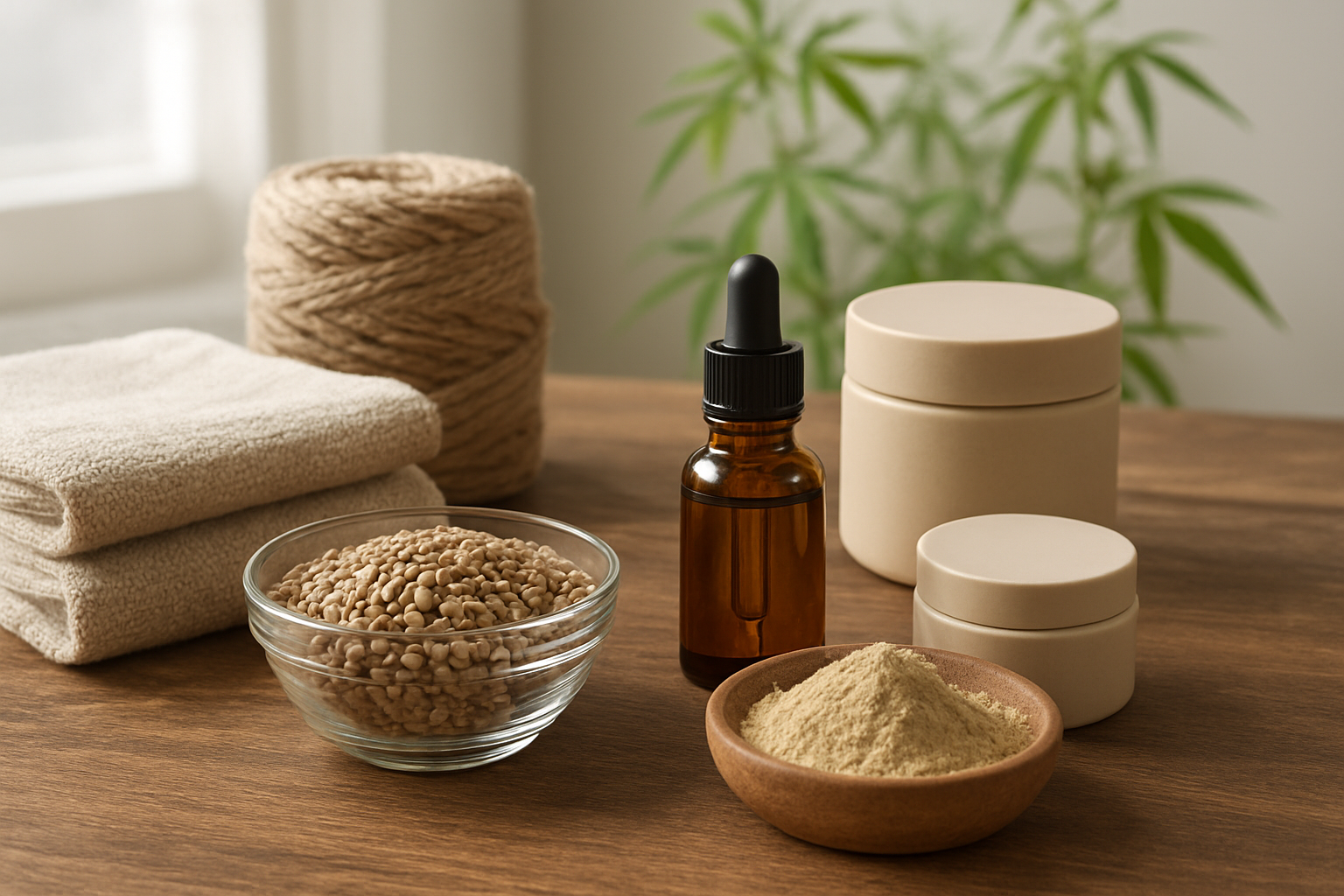
Hemp has established itself as a superior alternative to conventional materials in numerous industrial applications. In the textile industry, hemp demonstrates remarkable efficiency, producing yields approximately 600% greater than flax and 250% higher than cotton. This exceptional productivity makes hemp an increasingly attractive option for manufacturers seeking sustainable fiber sources.
The environmental advantages of hemp cultivation extend far beyond yield statistics. Unlike many other crops used in textile production, industrial hemp requires minimal chemical intervention to thrive. The plant grows successfully without significant amounts of pesticides, fungicides, and herbicides, reducing both production costs and environmental impact. This natural resistance to pests and diseases makes hemp cultivation more sustainable compared to traditional textile crops.
Hemp's rapid growth cycle provides additional environmental benefits that make it particularly valuable for building materials and paper production. The plant's quick maturation allows it to absorb carbon from the atmosphere efficiently, converting atmospheric CO2 into plant material at an impressive rate. This carbon sequestration capability positions hemp as a climate-positive crop that actively contributes to reducing greenhouse gases while producing valuable raw materials.
Hemp in Food and Everyday Products
The structural characteristics of hemp plants contribute significantly to soil health and agricultural sustainability. Hemp's dense, deep root system serves a dual purpose in agricultural settings. These extensive roots effectively prevent soil erosion, maintaining soil integrity and preventing valuable topsoil from being washed away during heavy rains or wind events.
Perhaps most remarkably, hemp plants possess unique phytoremediation properties that make them valuable for environmental restoration projects. The plant's root system can extract nutrients, including heavy metals, from deep within the soil profile. These potentially harmful substances are then incorporated into the plant matter, effectively neutralizing their environmental impact. This natural ability to decontaminate or "clean" contaminated soil makes hemp an excellent choice for land restoration projects and sustainable agriculture practices.
This soil-cleansing capability extends the value of hemp beyond traditional agricultural applications, positioning it as a tool for environmental remediation while simultaneously producing materials for food and everyday products.
Hemp-Derived Compounds Explained
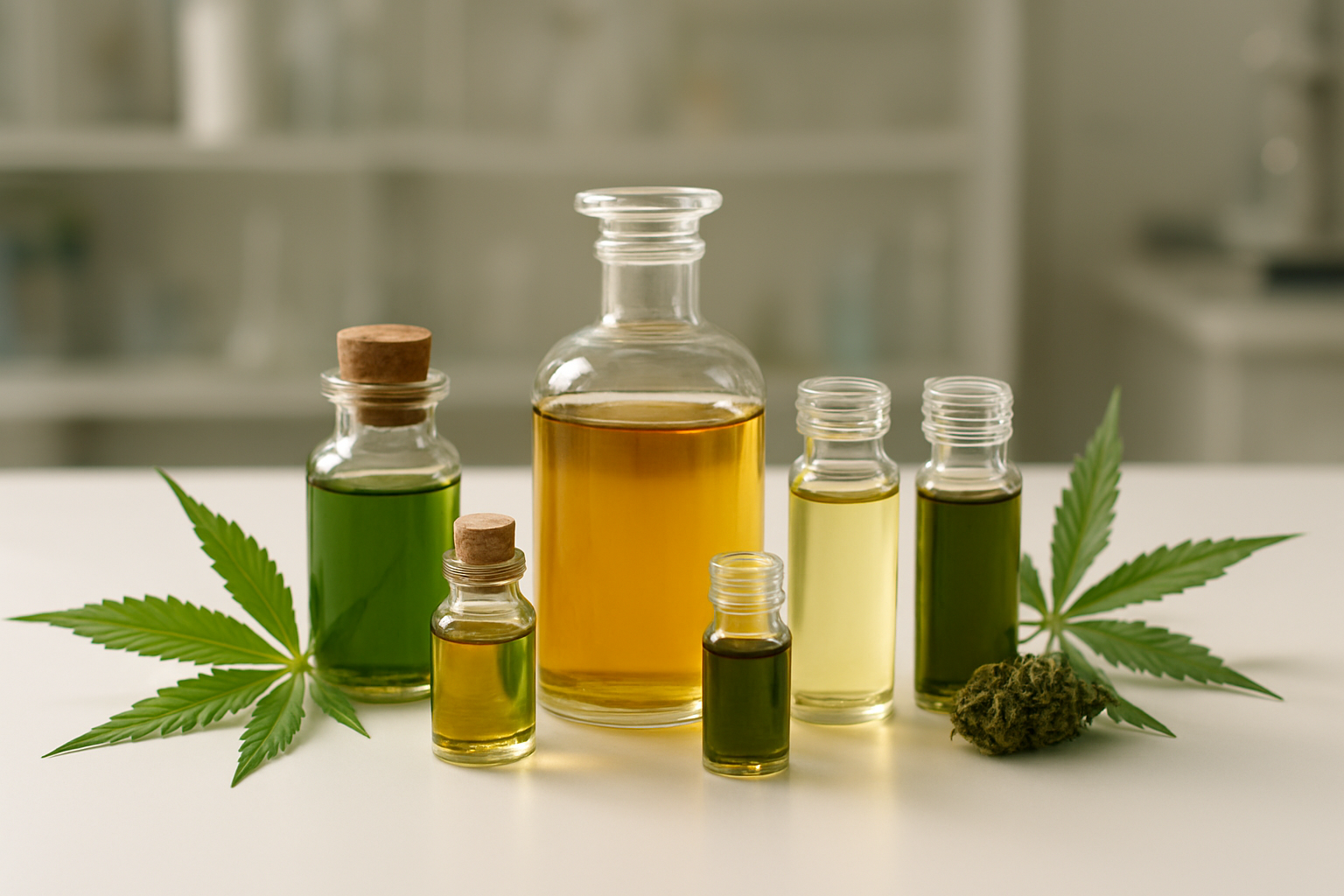
What Are Cannabinoids Like CBD and CBG?
This topic is one we frequently explore as part of Treehouse’s educational content, where we break down cannabinoids, terpenes, and other plant compounds to help customers better understand what’s inside the cannabis and hemp products
Now that we have covered hemp's fundamental characteristics and primary applications, it's essential to explore the specific compounds that make hemp particularly valuable in modern industries. While the reference material primarily focuses on hemp's physical properties and applications in textiles and materials, hemp's chemical composition extends beyond its fiber content to include various naturally occurring compounds.
The strong and long-lasting nature of hemp fiber that makes it suitable for durable textile production is complemented by the plant's complex chemical profile. Hemp contains numerous naturally occurring compounds that have gained significant attention in recent years. These compounds work together within the plant's cellular structure, contributing to hemp's overall utility and versatility.
Hemp's ability to produce eco-friendly and biodegradable bioplastics demonstrates the plant's chemical complexity, as these properties arise from the interaction of various plant compounds with processing methods. The same plant that provides durable materials for clothing and shoes also contains a sophisticated array of chemical constituents that contribute to its diverse applications.
The relationship between hemp's physical durability - evident in its use for yarn, twine, rope, and string - and its chemical composition highlights how the plant's molecular structure supports both mechanical strength and chemical versatility. This dual nature makes hemp particularly valuable across multiple industries.
Understanding Hemp Terpenes and Their Aromas
Previously, I've discussed hemp's mechanical properties in textile applications, but the plant's aromatic compounds also play a significant role in its overall profile. The same hemp that produces strong fibers for durable clothing and various cords also contains aromatic compounds that contribute to its distinctive characteristics.
Hemp's biodegradable nature, which makes it valuable for eco-friendly bioplastic production, is partly influenced by its aromatic compound profile. These natural compounds interact with environmental factors during the biodegradation process, supporting hemp's reputation as an environmentally sustainable material choice.
The durability that makes hemp suitable for rope and string production is complemented by the plant's natural aromatic properties, which have been recognized throughout hemp's long history of industrial use. Understanding these aromatic characteristics helps explain why hemp has maintained its relevance across diverse applications, from traditional textile production to modern sustainable materials manufacturing.
Why Hemp Still Matters Today
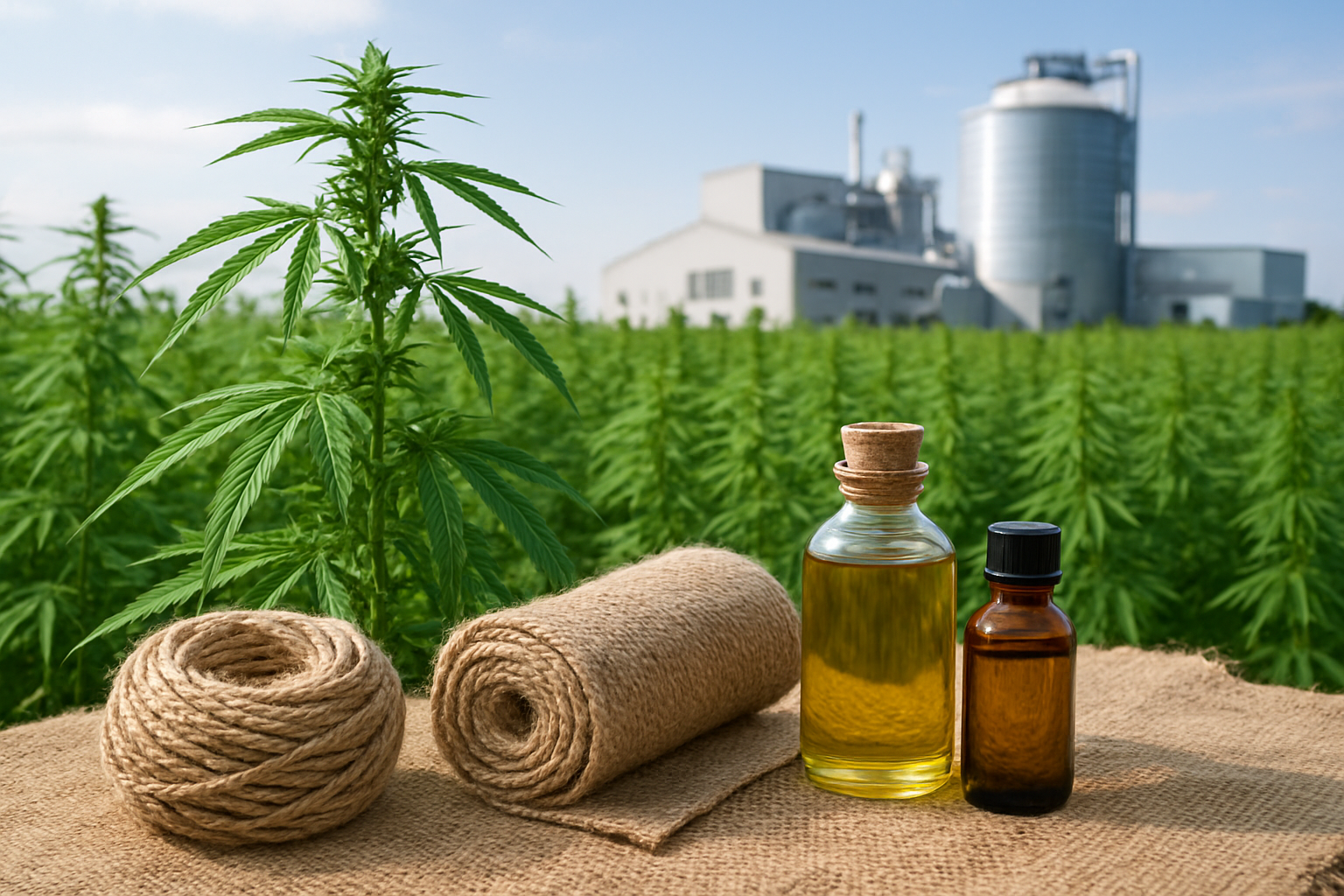
Hemp's Role in Sustainability and Agriculture
Now that we have covered hemp’s various applications and compounds, it’s helpful to examine how hemp fits into agricultural and food systems. In addition to its industrial uses, hemp has long been cultivated for its seeds, which are used as an ingredient in a variety of food products.
Hemp seeds contain protein and essential amino acids, a characteristic that has led to their classification as a complete protein source in nutritional science. This designation refers to the presence of all essential amino acids, which are required through diet.
Hemp seed protein has been studied for its digestibility and composition, and hemp seeds are commonly used in food products due to their concentrated nutritional content. These characteristics have contributed to hemp’s inclusion in modern agricultural discussions focused on diversified crops and efficient land use.
How Hemp Fits Into the Modern Cannabis Industry
Building on hemp’s agricultural uses, it’s also important to understand how hemp fits within the broader cannabis industry. In addition to industrial materials, hemp has become part of the industry’s expansion into non-intoxicating products that fall outside traditional cannabis categories.
Hemp seeds are used as ingredients in a range of food and consumer products, and their protein content has contributed to their inclusion in product development discussions within regulated markets. Food manufacturers and other companies operating within legal frameworks have explored hemp-derived ingredients as part of broader efforts to diversify offerings beyond inhalable or psychoactive products.
The use of hemp-based ingredients in standardized, packaged goods reflects the cannabis industry’s movement toward regulated, non-intoxicating applications that align with existing food and agricultural systems. These uses highlight how hemp products are positioned differently from adult-use cannabis while remaining part of the plant’s broader commercial landscape.
This distinction has played a role in how hemp is regulated, developed, and integrated into the modern cannabis industry, reinforcing its classification as an agricultural and industrial crop rather than a recreational substance.
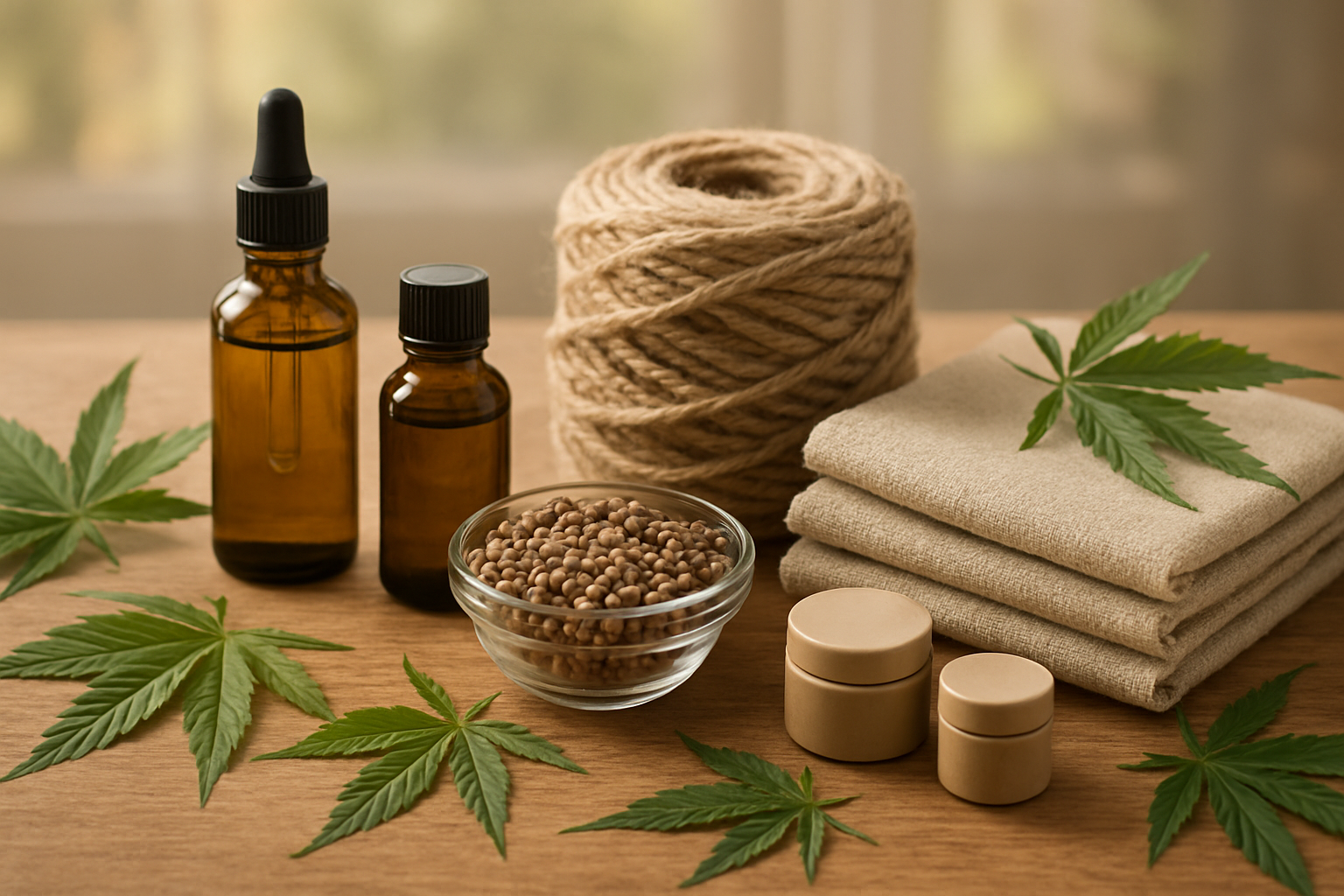
Hemp has long been recognized for its versatility across a wide range of applications. Its use in textiles, rope, bioplastics, and other materials highlights the plant’s role as an industrial and agricultural resource, while its seeds are used as ingredients in various food products. Together, these uses reflect hemp’s long history as a multipurpose crop with relevance across multiple industries.
Educational content like this reflects Treehouse’s commitment to providing clear, accurate information about cannabis and hemp. By focusing on plant science, regulation, and real-world applications, we aim to support informed conversations within New York’s legal cannabis framework.
As interest in sustainable materials and diversified agriculture continues to grow, hemp remains part of ongoing conversations around manufacturing, food systems, and environmental management. Understanding how hemp is cultivated and used helps clarify its place within the broader cannabis plant family and explains why it continues to be studied and utilized in modern industrial and agricultural contexts.

Shop our products

Shop All
Flower

Pre-rolls
Vaporizers

Edibles
Drinks

Concentrates
Tinctures

Topicals

CBD

Pet CBD

Accessories