
Exploring the Cultural Impact, Entrepreneurship, and Future of Black Leadership in the Cannabis Industry
Black History Month: Honoring Black Voices and Legacy in Cannabis

Written by
Treehouse Cannabis
Black History Month: Honoring Black Voices and Legacy in Cannabis
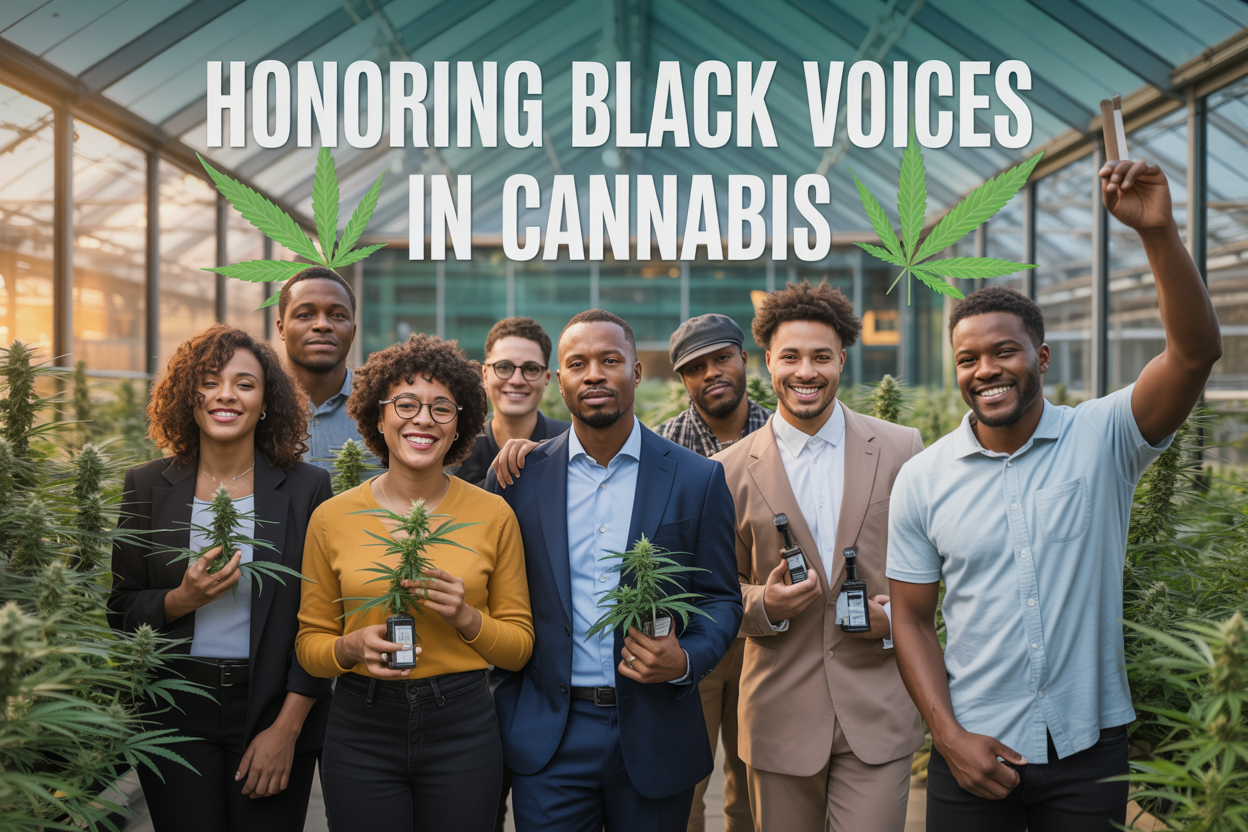
February marks Black History Month, a time when we celebrate the countless contributions of Black Americans across every field and industry. For cannabis enthusiasts and advocates, this month offers a meaningful opportunity to honor the Black voices and legacy that have profoundly shaped cannabis culture and continue driving innovation in the industry today.
This guide is for anyone who wants to learn more about the intersection of Black history and cannabis, support Black-owned businesses, or simply discover brands that deserve recognition beyond just one month of the year.
We'll explore the deep cultural connections between cannabis and Black history, highlight the resilience shown by Black entrepreneurs navigating today's cannabis landscape, and showcase leading Black-owned brands making their mark. You'll also learn practical ways to invest in the future through education and community support that extends far beyond your next dispensary visit at Treehouse Cannabis.
Honoring the Cultural Connection Between Cannabis and Black History
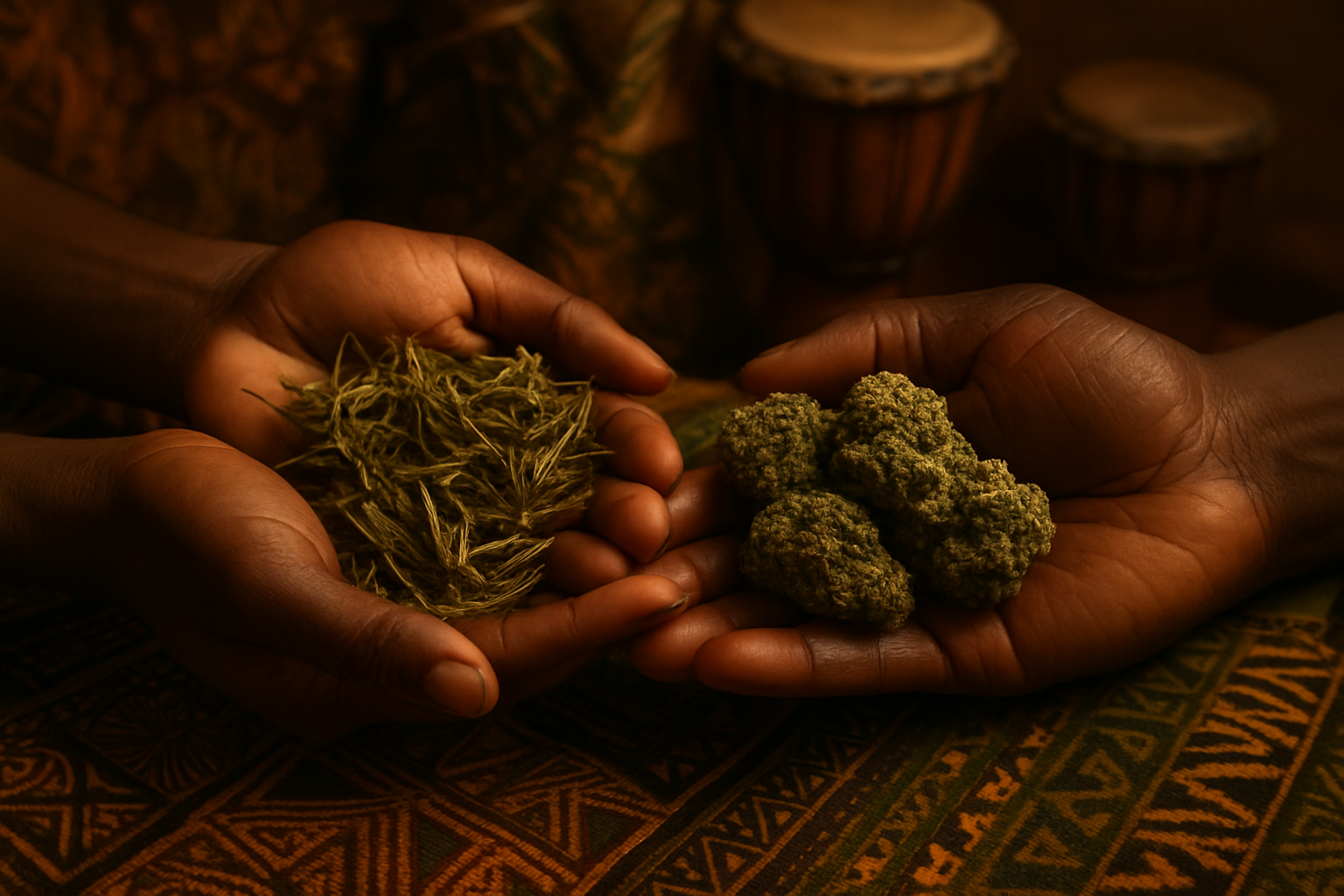
The influence of Black culture on modern cannabis appreciation
The modern cannabis landscape bears profound imprints of Black cultural influence, though this contribution often remains underrecognized in mainstream discourse. Communities of color have maintained deep, authentic relationships with cannabis that span generations, developing sophisticated understanding of its properties, applications, and cultural significance long before legalization became a widespread movement.
Black communities cultivated rich traditions around cannabis use that emphasized community. These practices influenced everything from consumption rituals to music culture, with genres like reggae, hip-hop, blues, and jazz becoming vehicles for cannabis advocacy and normalization. The aesthetic and cultural frameworks established within Black communities, from the language used to describe cannabis experiences to the social contexts in which it was consumed—have become foundational elements of today's cannabis culture.
However, this cultural leadership came at an enormous cost. Communities of color have faced disproportionate harm from cannabis prohibition, including incarceration, financial penalties, and lasting legal consequences. These same communities that shaped cannabis culture have often been excluded from economic opportunities created by legalization and from policy conversations shaping the industry's future. This exclusion represents not just economic injustice, but a fundamental disconnection between the origins of cannabis culture and its commercial evolution.
Storytelling and knowledge passed through generations
The transmission of cannabis knowledge within Black communities has historically occurred through oral traditions, community networks, and intergenerational storytelling. This knowledge encompassed not only practical understanding of cultivation and consumption but also awareness of the legal and social risks associated with cannabis use under prohibition.
Despite this rich foundation of expertise and cultural contribution, these communities have been systematically excluded from formal policy discussions. As Dr. Kenneth Sebastian León noted in his 2018 book, "More on Legalizing Marijuana– Ongoing Shifts in American Policies," communities most affected by prohibitory marijuana regulation are "totally unrepresented in federal policy discussions in this Cannabis Caucus." This exclusion means that the very voices with the deepest historical understanding of cannabis culture and its impacts remain marginalized in conversations about the industry's future, representing a profound loss of wisdom and perspective in policy formation.
Resilience and Progress in the Cannabis Space
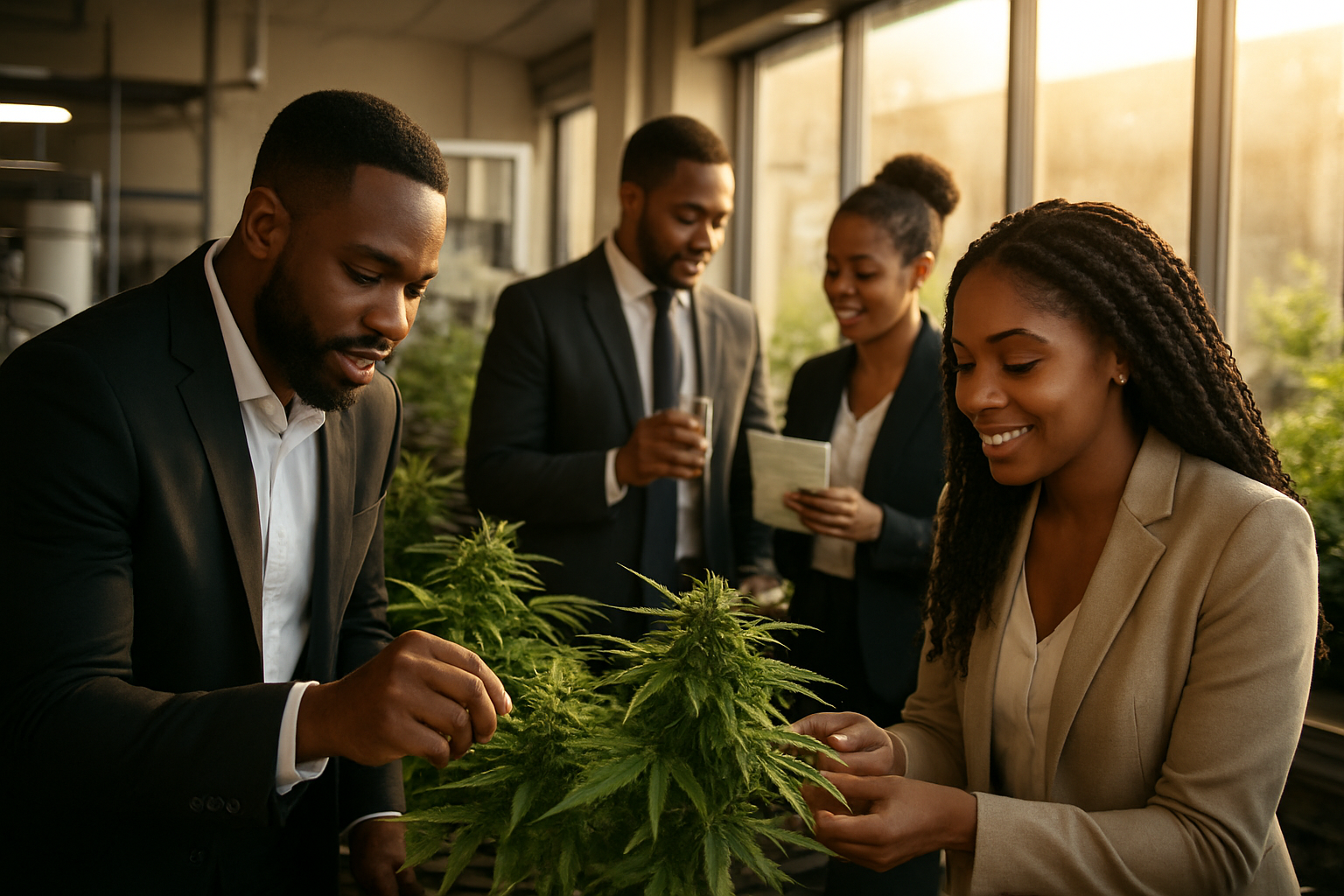
Strength and perseverance within Black communities
Black communities have demonstrated remarkable resilience throughout the cannabis industry's evolution, despite facing significant structural barriers. Only a small percentage of cannabis companies are owned by people of color, according to the National Cannabis Industry Association, highlighting the persistent challenges that Black entrepreneurs encounter when attempting to enter this rapidly growing market. This underrepresentation reflects broader systemic issues that have historically limited access to capital, licensing opportunities, and industry networks.
The strength of Black communities lies in their ability to navigate these obstacles while maintaining their commitment to building successful cannabis enterprises. Despite limited representation in ownership statistics, Black entrepreneurs continue to pursue their vision of participating meaningfully in the legal cannabis economy, drawing upon generations of perseverance and community support systems that have sustained them through various forms of exclusion.
Transforming challenges into opportunities for growth
Previously, we've seen how communities of color have often been excluded from the economic opportunities arising from cannabis legalization. However, Black entrepreneurs are actively transforming these challenges into catalysts for innovation and growth within the industry. Rather than allowing systemic barriers to deter their participation, many are leveraging their unique perspectives and experiences to create distinct value propositions in the marketplace.
Black cannabis entrepreneurs bring innovation and perspective to the cannabis community. This transformation of adversity into opportunity demonstrates how exclusion can fuel creativity and drive entrepreneurs to develop solutions that might not have emerged from more traditional pathways.
The evolving role of cannabis in community empowerment
With this in mind, cannabis has increasingly become a vehicle for community empowerment within Black communities. Supporting Black-owned cannabis businesses helps expand representation and fosters a more equitable industry landscape, creating ripple effects that extend beyond individual business success. As more Black-owned companies establish themselves in the market, they create pathways for others to follow, building networks of mentorship and collaboration that strengthen the entire ecosystem.
The evolving role of cannabis in community empowerment represents a shift from historical criminalization toward economic opportunity. Black entrepreneurs are positioning cannabis not just as a commercial venture, but as a means of building generational wealth and creating employment opportunities within their communities. This transformation reflects a broader understanding that true progress in the cannabis space requires intentional efforts to include those who have been systematically excluded from its benefits.
Celebrating Leading Black-Owned Cannabis Brands and Their Contributions
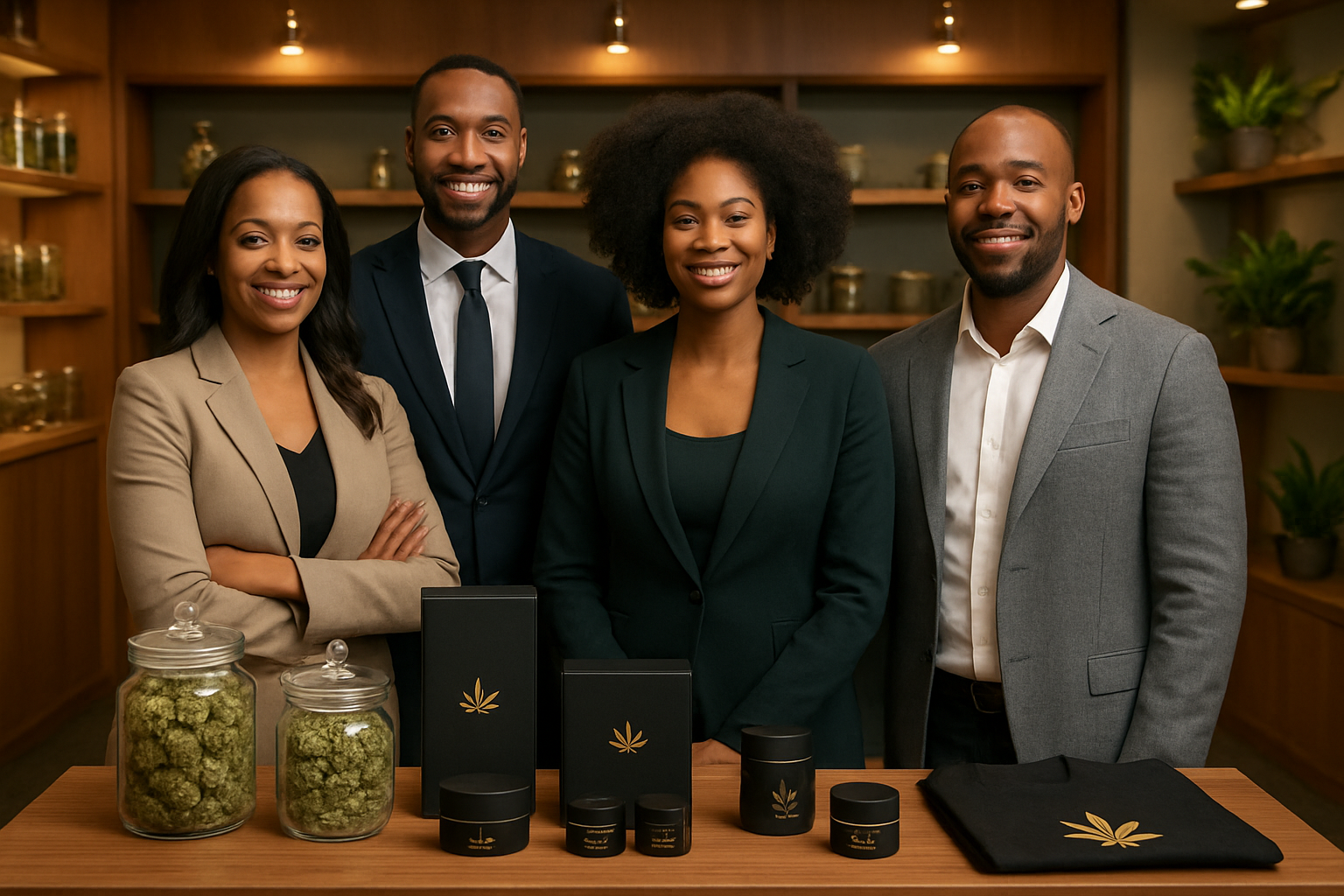
Foy
With this in mind, Foy emerges as a compelling example of purpose-driven, Black-owned cannabis entrepreneurship rooted in both quality and community impact. Built on a seed-to-sale model in upstate New York, Foy’s process begins on licensed farms supported by rich organic soil and continues through a Kosher-certified processing facility, where hemp is carefully transformed into high-quality CBD oil using advanced extraction methods. Beyond cultivation, Foy is deeply committed to social responsibility, partnering with The Bail Project to help reunite families and support individuals disproportionately impacted by cannabis-related charges through monthly sales contributions. By combining transparent testing, sustainable practices, and meaningful community reinvestment, Foy demonstrates how cannabis brands can prioritize integrity, accountability, and positive social change while setting a high standard for craftsmanship in the industry.
Silly Nice
Silly Nice represents the intersection of military service and cannabis entrepreneurship, operating as a New York-based, Black- and veteran-owned brand that has established itself as a leader in premium cannabis products. The company's dedication to small-batch production ensures exceptional quality control and artisanal attention to detail across their product portfolio, which includes premium flower, concentrates, and vape products. Their veteran ownership brings unique perspectives on discipline, quality standards, and community service to the cannabis industry, demonstrating how diverse backgrounds contribute to innovation and excellence in cannabis cultivation and manufacturing.
Layup
Layup brings a fresh, performance-driven perspective to the cannabis beverage space by combining intentional design with everyday functionality. Co-founded by former NBA champion and collegiate golfer J.R. Smith, Layup is crafted with nano-emulsified THC for a quicker onset and a smoother, more controlled experience. Built for moments that require balance whether you’re unwinding, staying focused, or finding your rhythm, Layup delivers consistency without compromise. J.R.’s involvement is deeply hands-on, shaping everything from product development to brand vision, resulting in a THC beverage rooted in discipline, clarity, and purpose that reflects the mindset of elite performance.
E29 Labs
E29 Labs is a Hudson Valley–based, small-batch producer built on experience, precision, and an uncompromising approach to quality. With over 20 years of hands-on expertise spanning both the lab and real-world cannabis culture, the team sources premium cannabis oils and carefully crafts each formulation for clean flavor and consistent performance. Using only cannabis-derived terpenes and minor cannabinoids, E29 Labs focuses on delivering a reliable, high-quality vape experience without shortcuts or gimmicks. Designed by people who know great oil and demand dependable hardware, E29 Labs products are made for consumers who recognize quality when they feel it.
Building Brands Rooted in Authenticity and Purpose
Together, brands like Foy, Silly Nice, Layup, and E29 Labs represent just some of the Black-owned businesses helping shape today’s cannabis industry. Each brings a distinct perspective, from seed-to-sale sustainability and community reinvestment to veteran-led craftsmanship, performance-driven beverages, and precision-formulated vapes. What unites them is a shared commitment to quality, accountability, and purpose, proving that cannabis entrepreneurship can be both intentional and impactful. These brands, along with others, can be found at Treehouse, where we’re proud to support and highlight Black-owned cannabis companies that continue to elevate the industry through innovation, experience, and community-driven values.
Investing in the Future Through Education and Community

Education as a tool for empowerment and access
Previously, we’ve explored the profound contributions of Black voices in the cannabis industry. Building on that foundation, education serves as a cornerstone for creating meaningful change and expanding access within the cannabis space. When consumers understand the importance of supporting Black-owned businesses, they become active participants in driving equity forward. At Treehouse, education is central to this mission, from breaking down terpene profiles and product formulations to highlighting small-batch craftsmanship and the stories behind the brands we carry.
Empowering consumers starts with providing clear, approachable knowledge that helps them make informed choices. Teaching customers how to identify and support minority-owned cannabis brands begins with simple, actionable steps. By checking product packaging for information about brand ownership and production practices, consumers can better understand where their products come from. Many small-batch brands openly highlight their ownership structure, making it easier for conscious consumers to align their purchases with their values.
Beyond packaging, brand websites offer another important educational layer. These platforms often share detailed insights into a company’s origin, mission, and values through transparent storytelling. By encouraging customers to explore these resources and ask questions in-store, Treehouse helps foster a deeper connection between consumers and the brands they support, reinforcing education as a powerful tool for equity, awareness, and long-term community impact.
Community-focused initiatives and collaboration
Now that we have covered individual education strategies, community-focused initiatives take this empowerment to the next level. Dispensary staff play a vital role in this educational ecosystem. When consumers ask budtenders for guidance on identifying and choosing minority-owned cannabis products, they create opportunities for meaningful dialogue and knowledge sharing.
This collaborative approach between consumers, retailers, and brand owners creates a network of support that extends beyond individual transactions. Budtenders become ambassadors for equity, helping customers navigate the complex landscape of cannabis products while highlighting brands that deserve recognition and support.

This Black History Month and beyond, honoring the cultural connection between cannabis and Black history means recognizing both the resilience that shaped the past and the innovation driving the industry forward today. Black-owned brands like Foy, Silly Nice, Layup, and others continue to influence cannabis through craftsmanship, community reinvestment, and purpose-driven leadership. Their work extends beyond individual products, helping build a more inclusive and accountable cannabis industry rooted in quality, transparency, and meaningful impact.
Supporting Black-owned cannabis brands is more than a moment of recognition; it’s an investment in the future of the industry. Whether you’re exploring thoughtfully crafted gummies from Foy, small-batch offerings from Silly Nice, performance-driven beverages from Layup, or precision-focused vapes from E29 Labs, each choice helps expand representation and support long-term equity. At Treehouse, we’re proud to carry these brands and to lead with education, guiding our community through everything from terpene profiles to small-batch production and brand storytelling, so every visit is informed, intentional, and rooted in values.



Shop our products

Shop All

Flower

Pre-rolls

Vaporizers

Edibles

Drinks

Concentrates

Tinctures

Topicals

CBD

Pet CBD

Accessories