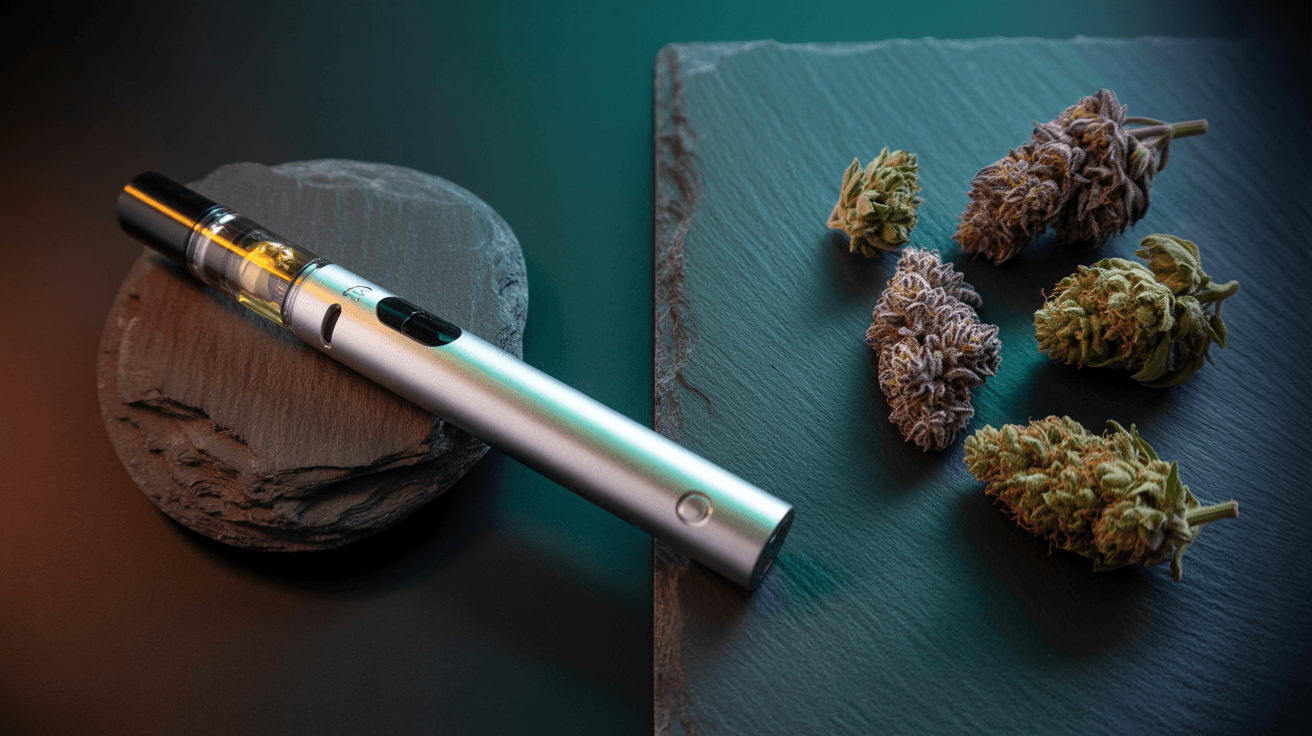
Flavor, convenience, cost, and ritual — comparing two popular ways to enjoy cannabis
Vapes vs Flower: What's the Difference?
Vapes vs Flower: What's the Difference?
Flavor, convenience, cost, and ritual — comparing two popular ways to enjoy cannabis
The two most common ways to consume cannabis are vape pens and flower — and they deliver fundamentally different experiences. Flower is the raw dried bud of the cannabis plant, typically testing 20-30% THC with a full spectrum of terpenes and compounds. Vape cartridges heat concentrated oil (usually 80-90%+ THC) or dry herb to release cannabinoids without combustion, producing a cleaner, more refined hit with less lingering odor.
How Do Vapes and Flower Actually Work?
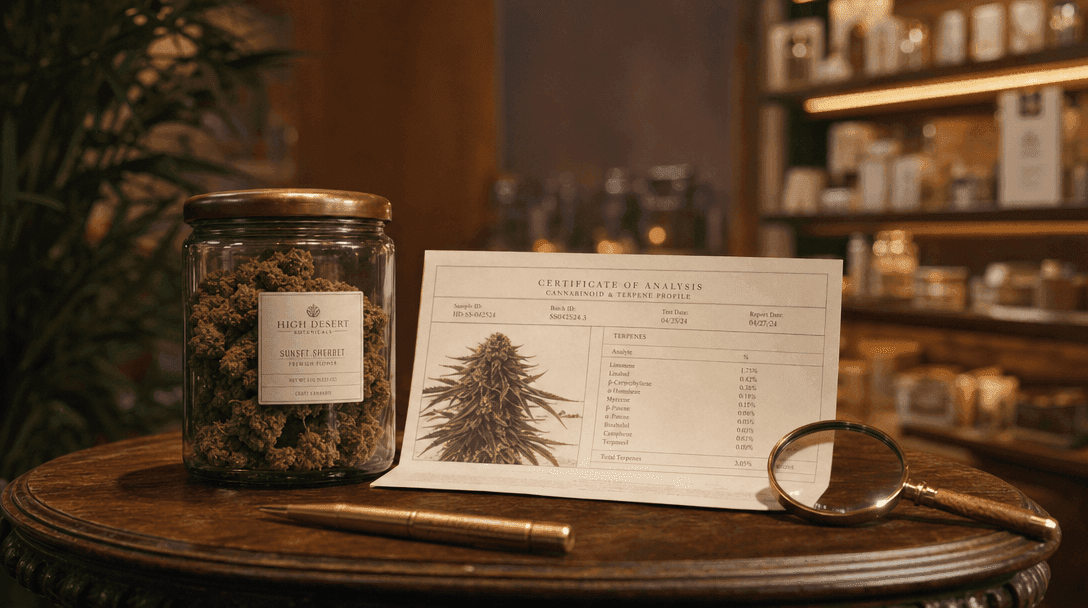
Flower requires combustion — whether in a joint, pipe, or bong — which releases cannabinoids and terpenes through burning. The smoke from flower carries the full character of the plant, including the compounds that combustion releases from the plant material itself. Vape pens heat either concentrated oil or dry herb to a controlled temperature that vaporizes cannabinoids without burning, meaning no smoke — just vapor — and significantly less residual odor.
Vape cartridges contain concentrated oil that vaporizes at lower temperatures, producing minimal smell that dissipates quickly and fits easily in a pocket for on-the-go use. Both methods deliver the active compounds in cannabis, but the mechanism of delivery — combustion versus vaporization — is what sets them apart.
What's the Flavor Difference Between Vapes and Flower?
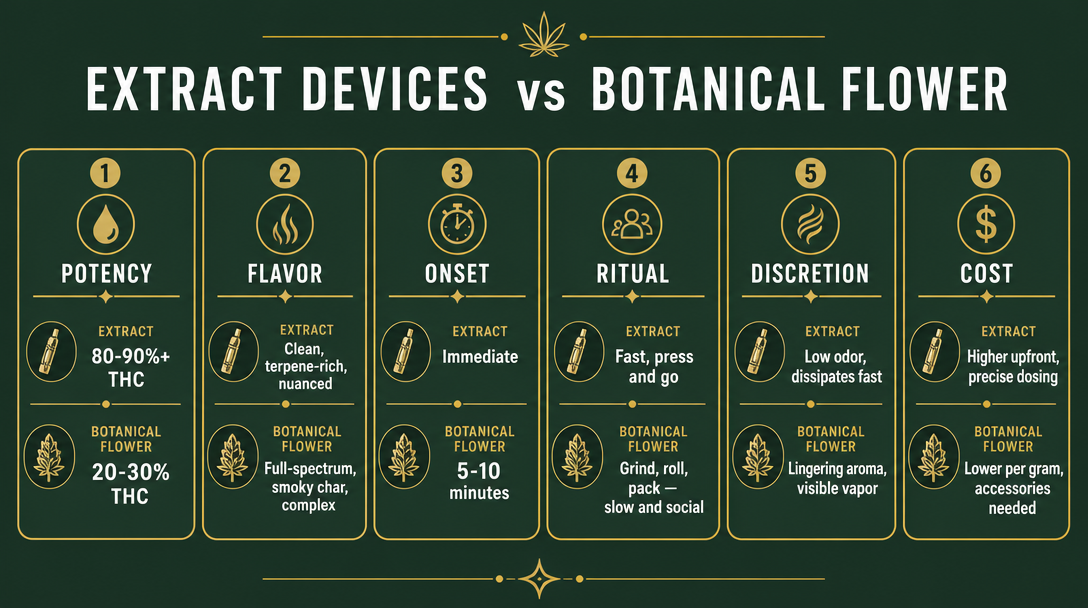
The key difference comes down to temperature. Combustion from smoking flower reaches far higher temperatures than vaporization, which affects how the terpenes — the aromatic compounds responsible for flavor — come through. Vaping operates at lower, controlled temperatures that preserve more of the original terpene profile, meaning flavors like citrus, pine, and berry tend to come through more clearly.
Many flavor-conscious consumers notice a cleaner, more detailed taste from vaping, while flower smokers often appreciate the added complexity that combustion contributes. Smoking adds a smoky, charred character to the taste that can mask subtler notes, though many experienced flower users consider this part of the appeal.
Key terpenes to know:
- Limonene — citrus, bright notes
- Myrcene — earthy, musky notes
- Pinene — pine, sharp notes
- Linalool — floral notes
Which Gets You Higher — Vapes or Flower?
Vape cartridges typically contain 80-90%+ THC compared to flower at 20-30% THC, meaning a single pull from a cartridge delivers substantially more active compound than an equivalent inhalation from a joint. This concentrated dose produces a faster, more intense psychoactive experience, particularly for infrequent users. Regular consumers who use either method frequently build tolerance and may not notice as sharp a difference in effects between the two.
While vapes produce a stronger psychoactive punch per breath, some users prefer the longer, more gradual experience that flower provides. The full spectrum of compounds in flower — including minor cannabinoids and terpenes — creates what researchers call the "entourage effect," where compounds work together in ways that concentrated vape oil may not fully replicate.
| Factor | Vapes | Flower |
|---|---|---|
| THC Range | 80-90%+ | 20-30% |
| Psychoactive Intensity | High, immediate | Moderate, gradual |
| Duration | Shorter, intense | Longer, sustained |
| Tolerance Impact | Fast-acting tolerance | Slower tolerance build |
What's the Cost Difference Between Vapes and Flower?
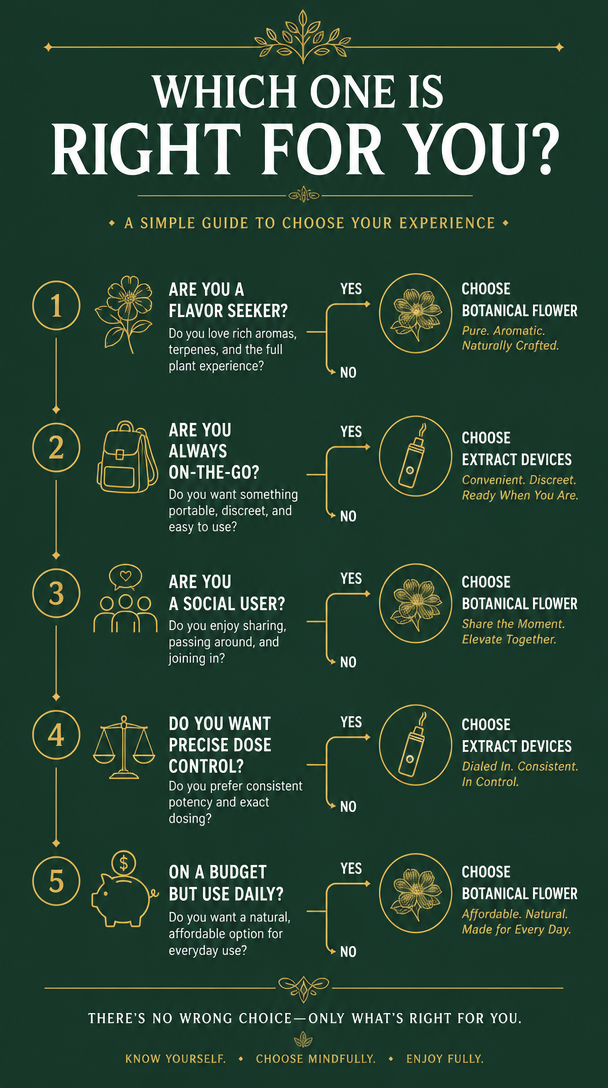
Vape cartridges carry a higher upfront cost — typically $40-80 per cartridge — but they require no ongoing purchases of papers, cones, or pipe supplies. Precise dosing built into each pull means less product waste per session. For occasional users who want dose control without maintaining a collection of accessories, cartridges often represent better overall value.
Flower generally costs less per gram, but the true ongoing expense includes the accessories needed to smoke it — rolling papers, cones, grinders, pipes, or water pipes. For heavy daily users who go through multiple grams per week, flower tends to be more economical over time. The upfront investment in a cartridge is higher, but the lack of per-session waste and accessory costs can balance out for moderate consumers.
Cost factors to consider:
- Cartridge upfront cost ($40-80) vs. per-gram flower ($10-25/g)
- Accessory costs: papers, cones, grinders ($5-30/month for flower users)
- Dose precision: vapes minimize waste through measured dosing
- Consumption frequency: heavy users save more with flower
How Do the Rituals Compare — Vapes vs Flower?
Smoking flower involves a ritualistic process — grinding, rolling or packing a bowl, the passing of a joint — that many consumers find part of the appeal of cannabis itself. The process is slow and deliberate, naturally encouraging social interaction and making it a cultural activity as much as a consumption method. Grinding fresh flower and sharing a joint with friends creates an experience that transcends just getting cannabis into your system.
Vapes strip the process down to a button press and a breath. Ready in seconds with barely any lingering smell afterward. For on-the-go lifestyles, quick solo sessions, or situations where you want to consume without drawing attention, vapes offer obvious convenience. The trade-off is losing the tactile, ceremonial aspects that many flower consumers consider central to the experience.
Ritual comparison:
- Flower: Grind, roll/pack, light, pass — social, slow, tactile
- Vapes: Press button, inhale — fast, solo-friendly, minimal cleanup
What About Discretion and On-the-Go Use?
Vapes are significantly more discreet than flower. The smell from a vape dissipates within minutes and the device fits easily in your pocket. Flower produces a persistent, recognizable aroma that lingers for hours and announces your consumption to everyone nearby. For concerts, social situations, or simply living in close quarters with neighbors, vapes offer a level of privacy that flower cannot match.
For those who consume in rental housing, shared living spaces, or environments where lingering cannabis smell is a concern, vapes solve a real problem. The minimal residual odor also makes cleanup easier — no ashtray, no smoke film on walls or clothing.
Frequently Asked Questions
What's the main difference between vapes and flower?
Flower is raw dried cannabis bud you smoke — typically 20-30% THC with a full spectrum of terpenes and compounds. Vapes heat concentrated oil (80-90%+ THC) or dry herb to release cannabinoids without combustion. Flower gives you the complete plant experience; vape cartridges deliver a more concentrated, refined hit.
Which tastes better — vapes or flower?
It comes down to preference. Vaping preserves more delicate terpene notes, so you get a cleaner, more nuanced flavor profile — citrus, pine, and berry come through clearly. Smoking adds a smoky, charred character from combustion that some consumers prefer. Flower enthusiasts often say the smoke adds complexity; vape users prize the clarity.
Do vapes get you higher than flower?
Vape cartridges run 80-90%+ THC vs flower's 20-30%, so yes — vapes produce a stronger psychoactive effect per breath, especially for infrequent users. A single pull from a cartridge can feel more intense than an equivalent pull from a joint. Regular users build tolerance and may not notice as sharp a difference.
Which is more affordable — vapes or flower?
For occasional users, vapes offer better value — no ongoing accessories, precise dosing means you use less per session. For daily heavy users, flower is generally more economical per gram. The upfront cost of a vape cartridge is higher but there's no per-session waste.
What's more discreet — vapes or flower?
Vapes by a significant margin. The aroma from a vape dissipates in minutes and the device is pocket-sized. Flower produces a persistent, recognizable smell that lingers for hours. If discretion matters — concerts, close quarters, solo on-the-go sessions — vapes are the clear choice.
Sources
- Canadian Journal of Public Health / University of Toronto & CAMH — Vaping cannabis reduces exposure to several toxins, carbon monoxide, and chronic
- Johns Hopkins Medicine — Vaping cannabis produces significantly higher blood THC concentrations than smok
- Healthline — Neither vaping nor smoking cannabis is safe; smoking produces tar and lung-damag
- Grounded Dispensary Hudson Valley — Vapes offer convenience, discreteness, and precise dosing for on-the-go lifestyl
- Consume Cannabis — Vape cartridges typically contain 80-90%+ THC compared to flower at 20-30% THC,
Treehouse Cannabis is a licensed adult-use dispensary in Rockland County, New York. Must be 21+ to purchase. This content is for informational purposes only and is not medical advice.
About Treehouse Cannabis
Treehouse Cannabis is Rockland County's premier adult-use dispensary, offering a carefully curated selection of premium cannabis products including flower, concentrates, edibles, and more. Our knowledgeable team is dedicated to helping both new and experienced consumers find the right products for their needs in a welcoming, judgment-free environment. Visit us at treehousecannabis.com to learn more about our current selection and special offers.


Shop our products

Shop All
Flower
Pre-rolls
Vaporizers

Edibles
Drinks

Concentrates
Tinctures

Topicals

CBD

Pet CBD
Accessories