
From Citrus Peels to Cannabis Flowers: How Limonene Shapes the Aromas We Know
What Is Limonene? A Citrus-Scented Guide to One of Cannabis’s Most Recognizable Terpenes

Written by
Treehouse Cannabis
What Is Limonene? A Citrus-Scented Guide to One of Cannabis’s Most Recognizable Terpenes
Ever caught a whiff of fresh orange peel or lemon zest while enjoying your favorite cannabis strain? That bright, citrusy aroma often comes from limonene, one of the most recognizable terpenes found in both cannabis and everyday plants like lemons, oranges, and rosemary.
This guide is perfect for adults curious about what makes different cannabis cultivars smell so unique. You’ll learn what limonene is, where it naturally appears in the plant world, how it contributes to the aroma and flavor of certain strains, and how regulated markets help consumers identify terpene profiles through accurate labeling and laboratory testing.
If you're interested in understanding the citrus forward scents in cannabis, from packaging labels to terpene breakdowns, this guide offers a clear and approachable look at one of nature’s most familiar aromatic compounds.
What Limonene Is and Where It Comes From
A Naturally Occurring Citrus Terpene Found Across Many Plants
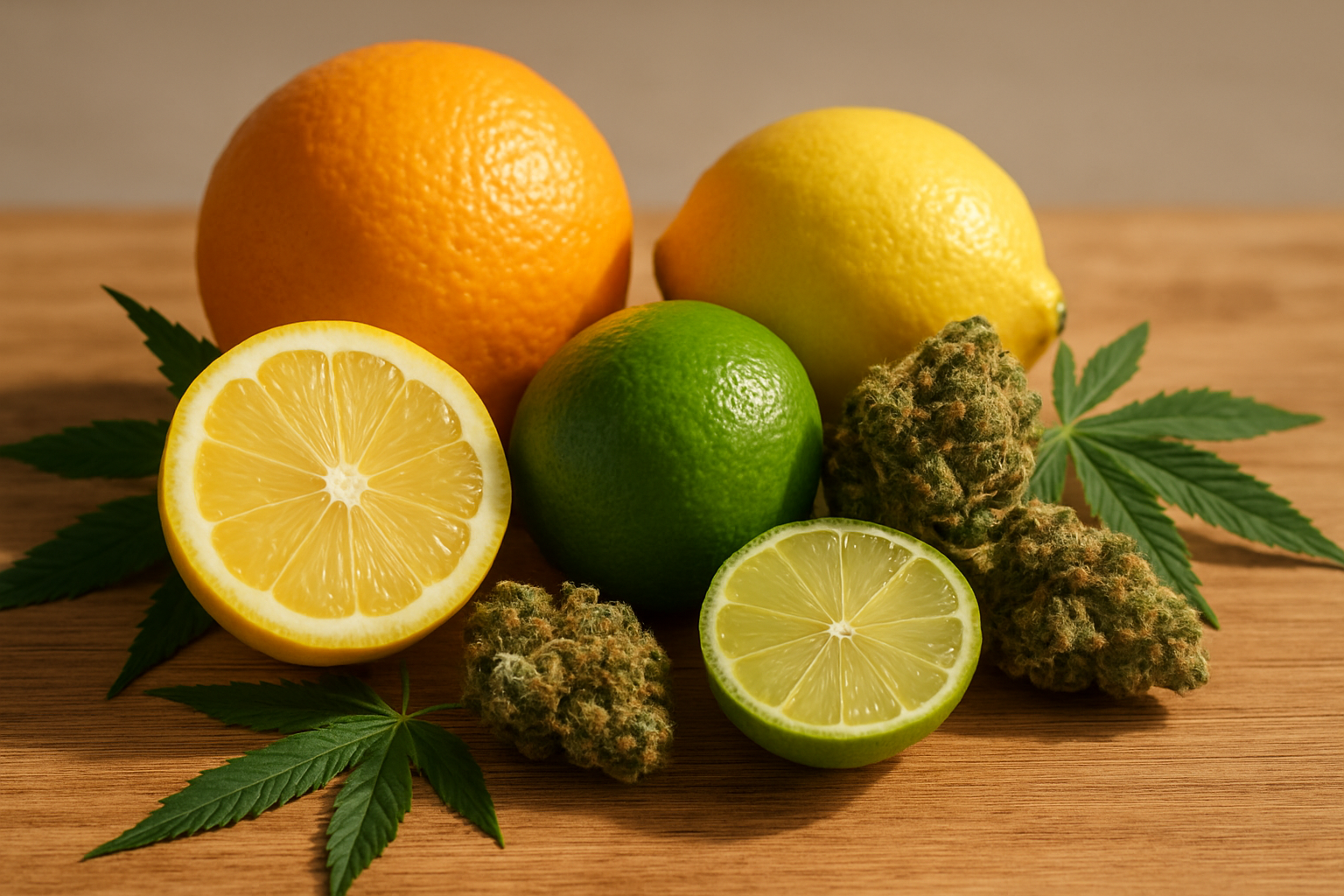
Limonene stands out as one of the most recognizable and abundant terpenes in the natural world. This colorless liquid compound carries that unmistakable fresh citrus scent that most people can identify instantly. While many associate limonene primarily with oranges and lemons, this versatile molecule appears in hundreds of different plant species across the globe.
The terpene exists in two main forms: d-limonene and l-limonene. The "d" version, which rotates light to the right, dominates citrus fruits and gives them their characteristic bright, uplifting aroma. The "l" version, which rotates light to the left, appears more commonly in pine and mint plants, offering a slightly different aromatic profile with more earthy undertones.
Plants produce limonene as part of their natural defense system and communication network. The compound serves multiple purposes - deterring harmful insects, attracting beneficial pollinators, and protecting plant tissues from environmental stressors like UV radiation and oxidative damage. This multi-functional nature explains why limonene shows up so frequently across diverse plant families.
How Limonene Forms in Nature Through Plant Biosynthesis
The creation of limonene inside plants follows a fascinating biochemical pathway that begins with simple building blocks. Plants start with acetyl-CoA, a basic molecular component, and gradually build it up through a series of enzymatic reactions. The process moves through several intermediate compounds, including mevalonic acid and geranyl pyrophosphate, before reaching the final limonene molecule.
Specialized enzymes called limonene synthases play the starring role in this production process. These proteins take the precursor molecule geranyl pyrophosphate and transform it into limonene through a cyclization reaction. Different plants have evolved slightly different versions of these enzymes, which explains why limonene concentrations and aromatic profiles can vary significantly between species.
The timing and location of limonene production within plants also varies considerably. Some plants produce highest concentrations in their leaves, while others focus production in their fruits, flowers, or even bark. Environmental factors like temperature, humidity, and light exposure can dramatically influence how much limonene a plant produces, which is why the same plant species might smell differently depending on growing conditions.
Why Citrus Fruits, Herbs, and Flowers Often Contain High Levels of Limonene
Citrus fruits are some of nature’s strongest sources of limonene, with orange peels containing remarkably high concentrations of this citrus-forward terpene. Plants use limonene as part of their natural defense and communication systems, helping protect developing fruit from pests while also signaling ripeness through its bright aroma.
Many everyday culinary herbs also contain notable amounts of limonene. Rosemary, basil, and dill all produce this terpene as part of their natural aromatic makeup, contributing to the familiar freshness people recognize in kitchens and gardens. Their strong scent can also play a role in deterring certain insects as the plants grow.
Flowers from a variety of plant families express limonene as well. Cannabis cultivars, depending on genetics and growing conditions, often develop limonene alongside other naturally occurring aromatic compounds. These combinations contribute to the layered scent profiles people notice across different cultivars.
Limonene levels tend to rise and fall throughout a plant’s growth cycle. Citrus fruits often reach peak concentration just before fully ripening, while many herbs showcase their strongest aromas during active growth. These natural patterns help explain why harvest timing plays such a key role in capturing vibrant, plant-derived scents.
Everyday Plants and Foods That Feature Limonene
Citrus Peels: Oranges, Lemons, Limes, and Grapefruit as Natural Sources
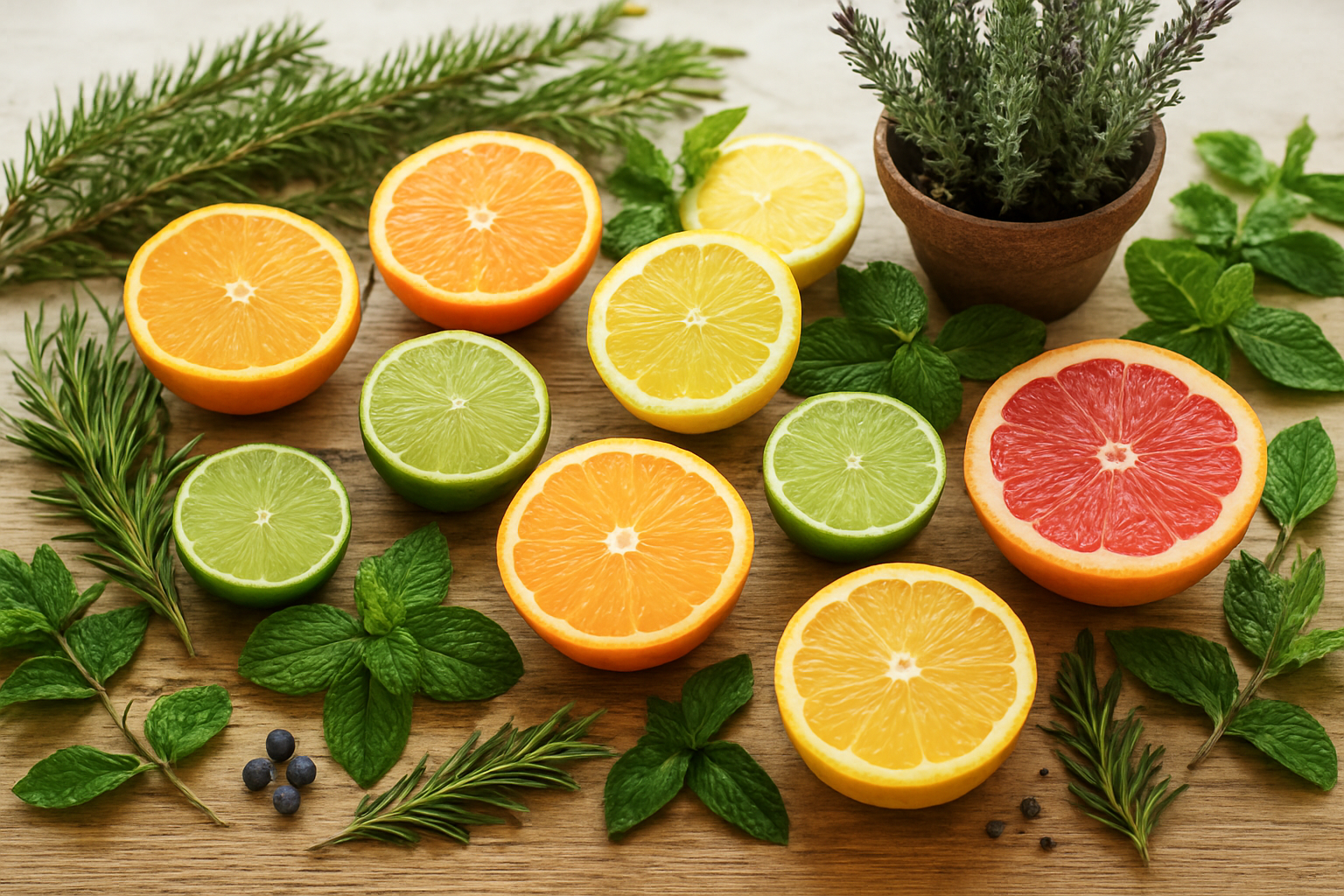
The bright, zesty scent that hits your nose when you peel an orange comes directly from limonene. This terpene makes up roughly 90-95% of the essential oil found in citrus rinds, making these fruits some of the richest natural sources available. Orange peels contain the highest concentrations, followed closely by lemons, limes, and grapefruits.
When you scratch or zest citrus peel, you're literally rupturing tiny oil glands called oil vesicles that store concentrated limonene. This explains why fresh citrus zest smells so much more intense than the juice inside the fruit. Commercial citrus processing takes advantage of this by collecting the oils released during peeling operations, creating valuable byproducts used in everything from cleaning supplies to food flavorings.
Different citrus varieties produce slightly different limonene profiles. Sweet oranges typically yield the purest form, while lemons add subtle floral notes, and limes contribute a sharper, more tropical character. Grapefruit peels offer a unique bitter-sweet variation that food scientists prize for creating complex flavor profiles.
Herbs and Botanicals Like Rosemary, Peppermint, and Juniper
Beyond citrus fruits, limonene shows up in a wide range of herbs and botanicals. Rosemary contains notable amounts of this terpene, contributing to its fresh, pine-like aroma that’s so familiar in Mediterranean cooking. In rosemary, limonene works alongside compounds like pinene and camphor to create its layered, herbaceous scent.
Peppermint also produces limonene as part of its essential oil profile. While menthol is the star of peppermint’s aroma, limonene adds a subtle brightness that helps round out its overall fragrance. Juniper berries, used in gin and various culinary traditions, contain limonene as well, contributing to their crisp, botanical character.
Other familiar sources include:
Caraway seeds – adding warm, citrus-like notes
Dill – contributing light, aromatic brightness
Black pepper – offering gentle citrus undertones
Cannabis – where limonene appears in certain cultivars as part of their citrus-forward aromatic profile
Tea tree – supporting the plant’s sharp, refreshing scent
How Limonene Contributes to the Bright, Fresh Aromas We Recognize in Cleaning Products and Essential Oils
Walk down any cleaning aisle and you’ll immediately notice limonene at work. Manufacturers add this terpene to products because its bright citrus scent is widely associated with freshness. Beyond aroma, limonene naturally helps break down oils, which makes it useful in many household cleaners and degreasers.
Most commercial limonene comes from citrus processing byproducts. When oranges are juiced at large scale, the leftover peels contain concentrated limonene. Instead of letting that material go to waste, many companies extract the oil and repurpose it for dish soaps, multipurpose sprays, and other cleaning solutions.
Essential oils often feature limonene too. Orange essential oil is made primarily from this terpene, giving it a crisp, recognizable citrus fragrance. Blends commonly pair limonene-rich oils with other botanicals to create layered scent profiles used in diffusers and home fragrances.
The cosmetic industry relies on limonene as well, adding citrus-forward notes to shampoos, lotions, and perfumes. In some regions, products containing higher concentrations of limonene include additional labeling to inform customers who may be sensitive to certain aromatic compounds.
How Limonene Shapes Aroma in Cannabis Cultivars
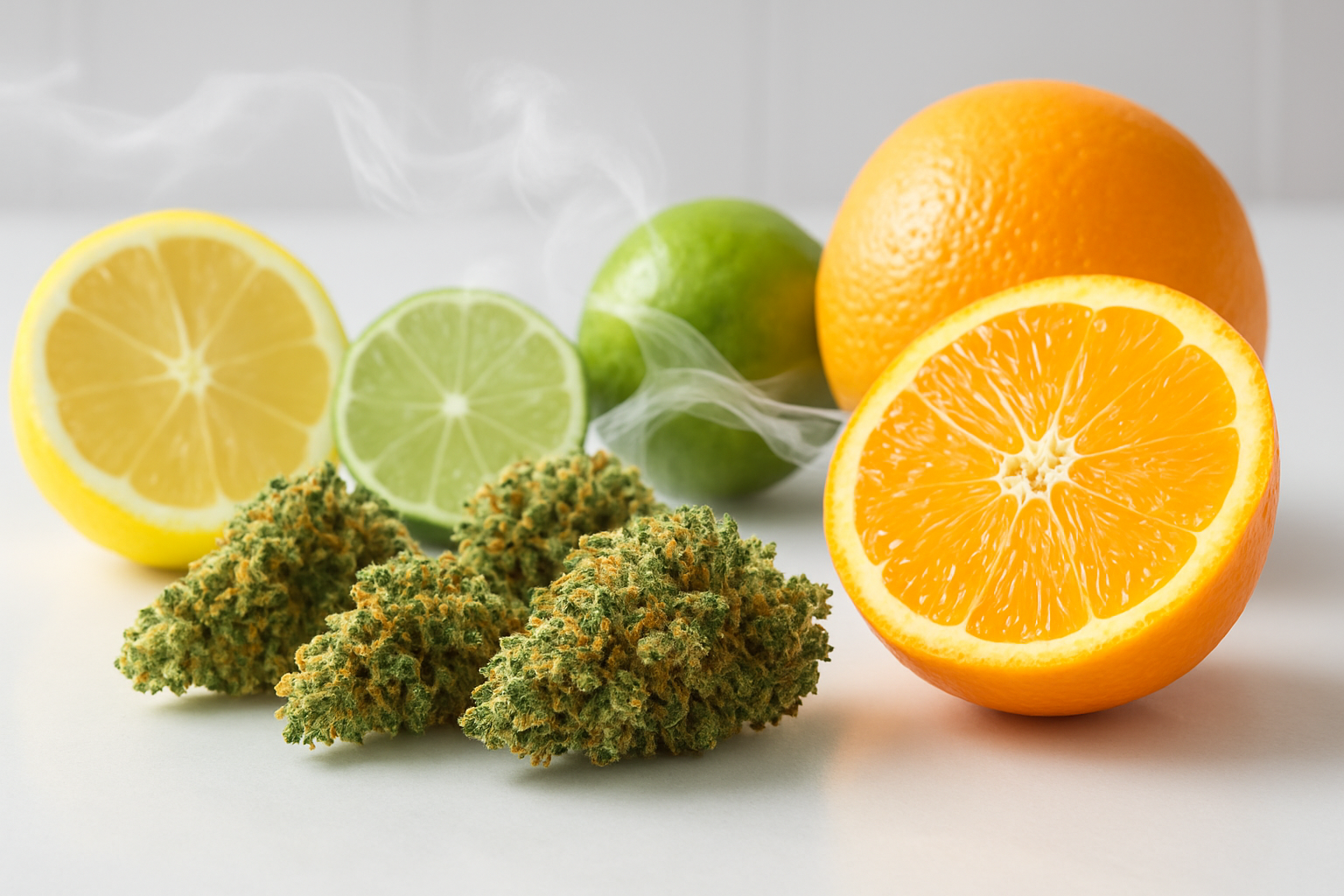
Citrus, Lemon-Zest, and Orange-Peel Notes Common in Limonene-Rich Flower
Limonene delivers some of the most recognizable aromas in cannabis, bringing bright citrus notes that range from sharp lemon zest to sweet orange peel. When you open a jar of limonene-forward flower, it’s common to notice that fresh, citrusy fragrance right away. Cultivars like Super Lemon Haze, Lemon Skunk, and Orange Cookies highlight this terpene beautifully, each offering their own interpretation of the classic lemon-lime profile.
The strength of these citrus notes often relates to the amount of limonene present. Flower that tests above 1% limonene typically shows more pronounced citrus character, while lower concentrations may offer softer, more subtle citrus undertones. Some cultivars lean toward lemon verbena or lime peel, while others present sweeter orange-blossom or grapefruit-like aromas.
Why Two Cultivars With Similar Limonene Levels Can Still Smell Different
Even when lab results show nearly identical limonene percentages, two cultivars can still smell noticeably different. That’s because limonene doesn’t work alone, it's surrounded by dozens of other aromatic compounds that shape the final scent. A cultivar with 2% limonene and high myrcene might carry a soft, citrus-tropical note, while another with the same limonene level plus significant pinene may lean more toward a crisp, citrus-herbal profile.
Growing conditions also influence how limonene expresses itself. The same genetics grown in different environments can develop distinct aromatic characteristics, even with similar terpene numbers. Temperature, humidity, light exposure, and harvest timing all shape how limonene forms and how it interacts with the rest of the terpene profile.
Curing and storage add another layer to the story. Limonene is a relatively volatile terpene, meaning it can fade or shift over time. Depending on how the flower is dried, cured, and stored, citrus notes may stay bright or gradually develop into a more subtle, mellow aromatic character.
How Limonene Interacts With Other Terpenes to Create Complex Aromatic Profiles
Limonene rarely acts on its own when it comes to cannabis aroma. Instead, it blends with other terpenes to create the layered scent profiles that make each cultivar feel so distinct. When limonene appears alongside myrcene, the result often leans toward bright, citrus-forward aromas with soft tropical undertones. When paired with caryophyllene, those citrus notes can take on a warm, spiced character.
Pinene creates especially interesting pairings with limonene. Together, they can produce fresh, outdoorsy aromatics that bring to mind citrus mingling with pine needles or rosemary. Many cultivars find a natural balance between these two terpenes, which results in crisp and refreshing scent profiles that feel both clean and herbal.
Linalool and limonene make a completely different kind of pairing. Their combination often leans floral-citrus, with aromas that remind people of citrus blossoms or calming herbal teas with a touch of lemon. Limonene with terpinolene can form rounded, fruity aromatic notes that feel bright and complex without being overly sweet.
The ratios make all the difference. A cultivar with 2 percent limonene and a small amount of myrcene can smell dramatically different from one with the same limonene level but a more myrcene-forward profile. These subtle shifts in supporting terpenes help explain why two citrus-leaning cultivars can offer completely different aromatic experiences even when their lab results appear similar.
How Labs Measure and Report Limonene Content

Gas Chromatography and Other Standard Terpene Identification Tools
Cannabis testing laboratories rely primarily on gas chromatography-mass spectrometry (GC-MS) to identify and quantify limonene content. This sophisticated analytical method separates terpene compounds by heating them into a gaseous state and passing them through specialized columns that distinguish each molecule based on its unique properties.
The process begins when lab technicians take representative samples from dried cannabis flower or concentrate. They dissolve these samples in solvents like pentane or hexane, which extract the volatile terpene compounds. The dissolved sample then gets injected into the gas chromatograph, where heat vaporizes the compounds and carrier gas pushes them through a long, narrow column coated with specific materials.
Different terpenes travel through this column at different speeds - limonene has its own characteristic retention time that helps technicians identify it among dozens of other compounds. When molecules exit the column, they enter a mass spectrometer that fragments them and creates unique fingerprint patterns. Limonene produces a distinctive fragmentation pattern that labs use for positive identification.
Some facilities also use headspace analysis, where they heat sealed samples and analyze the vapors that naturally escape. This method can provide more accurate representations of what consumers actually smell and taste, since it captures the most volatile compounds that readily evaporate at room temperature.
How Certificates of Analysis Show Limonene Percentages and Total Terpenes
Certificates of Analysis (COAs) present limonene data in several standardized formats that help consumers understand terpene concentrations. Most labs report limonene as a percentage of the total sample weight, typically expressed as mg/g (milligrams per gram) or as a percentage.
A typical COA might show limonene at 0.45% or 4.5 mg/g, meaning that particular batch contains 4.5 milligrams of limonene per gram of dried cannabis. Some reports also include percentages relative to total terpene content - so if a sample contains 2% total terpenes and limonene makes up 0.5%, the certificate might note that limonene represents 25% of all terpenes present.
| Reporting Format | Example Value | What It Means |
|---|---|---|
| Percentage by weight | 0.45% | 4.5 mg limonene per gram of flower |
| mg/g | 4.5 mg/g | Same as above |
| Relative to total terpenes | 25% | One-quarter of all terpenes are limonene |
Quality COAs include detection limits, showing the smallest amount of limonene the lab can reliably measure. Many facilities can detect limonene concentrations as low as 0.01%, though they may only report values above certain thresholds to ensure accuracy.
Why Limonene Often Appears as One of the Dominant Terpenes in Lab Reports
Limonene frequently ranks among the most prominent terpenes in cannabis due to both plant biology and the way laboratories measure aromatic compounds. Many cannabis cultivars naturally produce notable amounts of limonene as part of their built-in botanical defenses against insects and environmental stressors. The biosynthetic pathways that create citrus-associated terpenes tend to be especially active in cultivars with genetics that lean toward bright, zesty aromatic profiles.
Limonene’s chemical stability also contributes to its consistent presence in laboratory results. While some terpenes can evaporate or break down during drying, curing, or storage, limonene tends to withstand these processes more effectively. This resilience allows it to remain detectable in samples even after extended periods of handling.
Cultivation and breeding practices further influence limonene’s prevalence. Over time, growers have selected cultivars with recognizable citrus-forward aromas, which often correlates with increased limonene production in the plant’s natural terpene mix.
From an analytical perspective, limonene is also easy for testing equipment to detect. Its volatility helps it vaporize cleanly during gas chromatography, and its molecular fingerprint produces distinctive mass spectrometry readings. These characteristics make limonene one of the most reliably identified and accurately quantified terpenes in modern cannabis testing.
How Adults Can Learn More About Terpene Profiles in Regulated Markets

Reading Terpene Data on Packaging and Third-Party Lab Results
Cannabis products in regulated markets include detailed laboratory information that outlines their terpene profiles, including limonene. These certificates of analysis (COAs) typically list terpene concentrations in milligrams per gram (mg/g) or as percentages of the total sample. Limonene may appear as “D-Limonene,” “Limonene,” or within a broader terpene panel depending on the laboratory.
Most regulated products feature QR codes on the packaging that link directly to third-party lab results. These digital reports provide full terpene breakdowns alongside cannabinoid data, batch numbers, and testing dates. Reviewing both the harvest date and testing date is helpful, since terpene levels naturally shift over time due to their volatility.
Aromatically, limonene contributes to citrus-forward scent profiles. Products that test above roughly 0.5% limonene often display noticeable citrus notes, while higher percentages may present more pronounced lemon, lime, or orange-peel characteristics. These values can vary between cultivars, batches, and producers based on genetics, growing conditions, and post-harvest handling.
Asking Dispensary Staff for Aroma-Focused, Label-Based Information
Trained dispensary staff can help adults understand terpene information by referencing product labels, certificates of analysis, and verified lab data. Many retailers keep updated terpene profiles for the products they carry, making it easier to identify which items commonly feature limonene as a dominant aromatic compound.
If you enjoy specific citrus aromas, like lemon zest, sweet orange, or grapefruit peel, staff can point you toward products whose lab results show notable limonene content. These conversations stay grounded in factual information, focusing on how the terpene contributes to a product’s scent and how it appears on third-party testing reports.
Budtenders can also explain how terpene profiles vary between batches or harvest seasons, since factors such as cultivation conditions and post-harvest handling influence the aromatic composition. Asking about these variations can help you better understand how limonene appears across different cultivars and producers within the regulated market.
Educational Series Like Treehouse's Terp Talk Tuesday With Greg
Educational programs offered by regulated dispensaries play an important role in helping adults understand terpene science through factual, label-based information. At Treehouse, the weekly Terp Talk Tuesday series with Greg, the resident education lead, breaks down individual terpenes, including limonene, in a clear and approachable way.
These segments focus on how terpenes appear in nature, how they contribute to the aromas found in different cultivars, and how consumers can read product labels or certificates of analysis to identify terpene content. Greg often highlights real lab data, showing how limonene percentages vary across products and how those numbers translate into recognizable citrus-forward scent profiles.
Digital resources like Terp Talk Tuesday give adults an easy way to learn about botanical aromatics at their own pace. Visual charts, terpene spotlights, and educational comparisons help viewers understand how compounds like limonene show up in the regulated market, all without making claims about effects or recommending consumption.
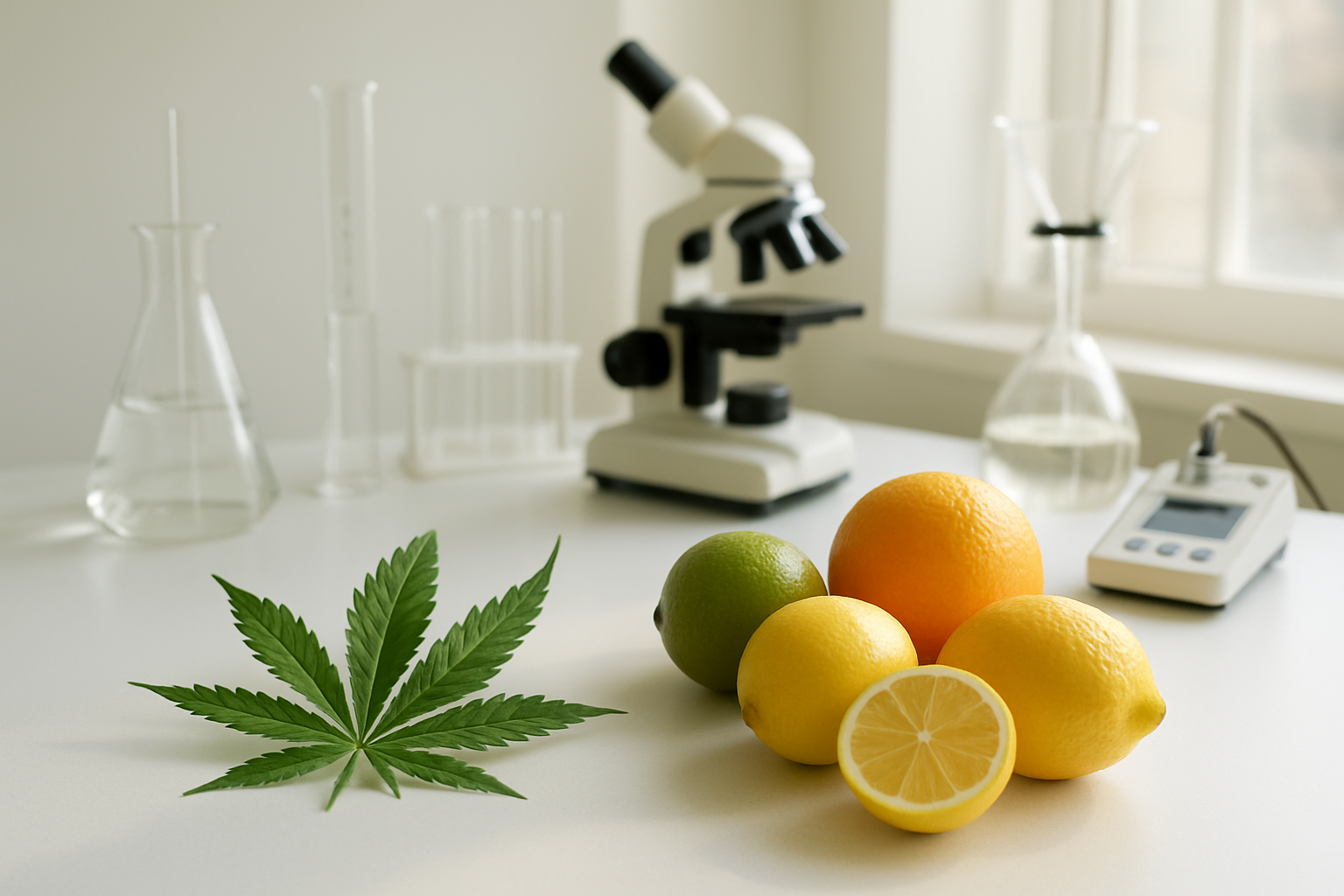
Limonene stands out as one of cannabis’s most recognizable aromatic compounds, bringing that bright citrus character many adults can identify instantly. Its presence in certain cultivars helps shape the familiar lemon, orange, and grapefruit notes people often enjoy, making it one of the key contributors to cannabis’s diverse scent profiles.
Understanding limonene begins with learning how to read terpene data on product labels and certificates of analysis. These tools show exactly how much limonene is present in a product and help explain why different cultivars smell the way they do. Proper storage also plays a big role in preserving these delicate citrus aromas, since terpenes naturally change over time.
For adults exploring the regulated market, paying attention to terpene information opens up a deeper appreciation for the plant’s natural diversity. Whether you encounter limonene in cannabis, citrus fruits, herbs, or essential oils, recognizing this terpene adds a new layer to how you experience botanical aromas in everyday life.



Shop our products

Shop All

Flower

Pre-rolls

Vaporizers

Edibles

Drinks

Concentrates

Tinctures

Topicals

CBD

Pet CBD

Accessories