
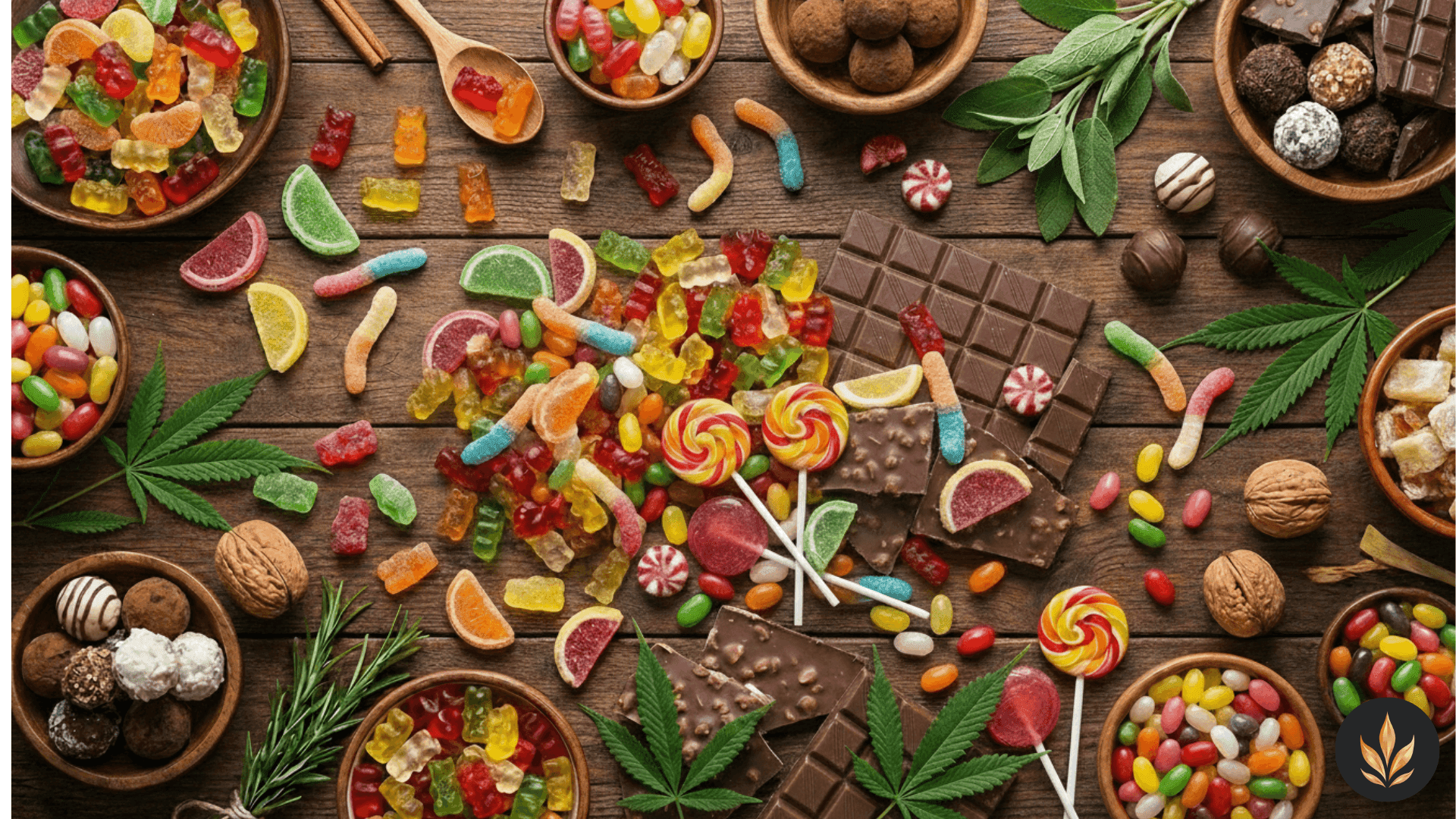
Why edibles are becoming a favorite choice among cannabis consumers
What’s Behind the Appeal of Edibles?

Written by
Treehouse Cannabis
What’s Behind the Appeal of Edibles?
Cannabis edibles are quickly becoming a major player in how people choose to consume cannabis. This shift away from smoking reflects a growing interest in alternative methods that offer a different experience and a more approachable way to enjoy cannabis.
This guide is for:
Cannabis users curious about alternatives to smoking
Anyone looking to try something new in the cannabis world
Consumers interested in discreet, convenient consumption methods
We'll break down what makes edibles stand out, from their unique effects and longer-lasting experience to the wide range of formats appearing on dispensary shelves. You'll learn how edibles differ from smoking, why they tend to feel more gradual and often more intense, and what’s behind their rise in popularity across legal markets nationwide.
What Makes Edibles Different?
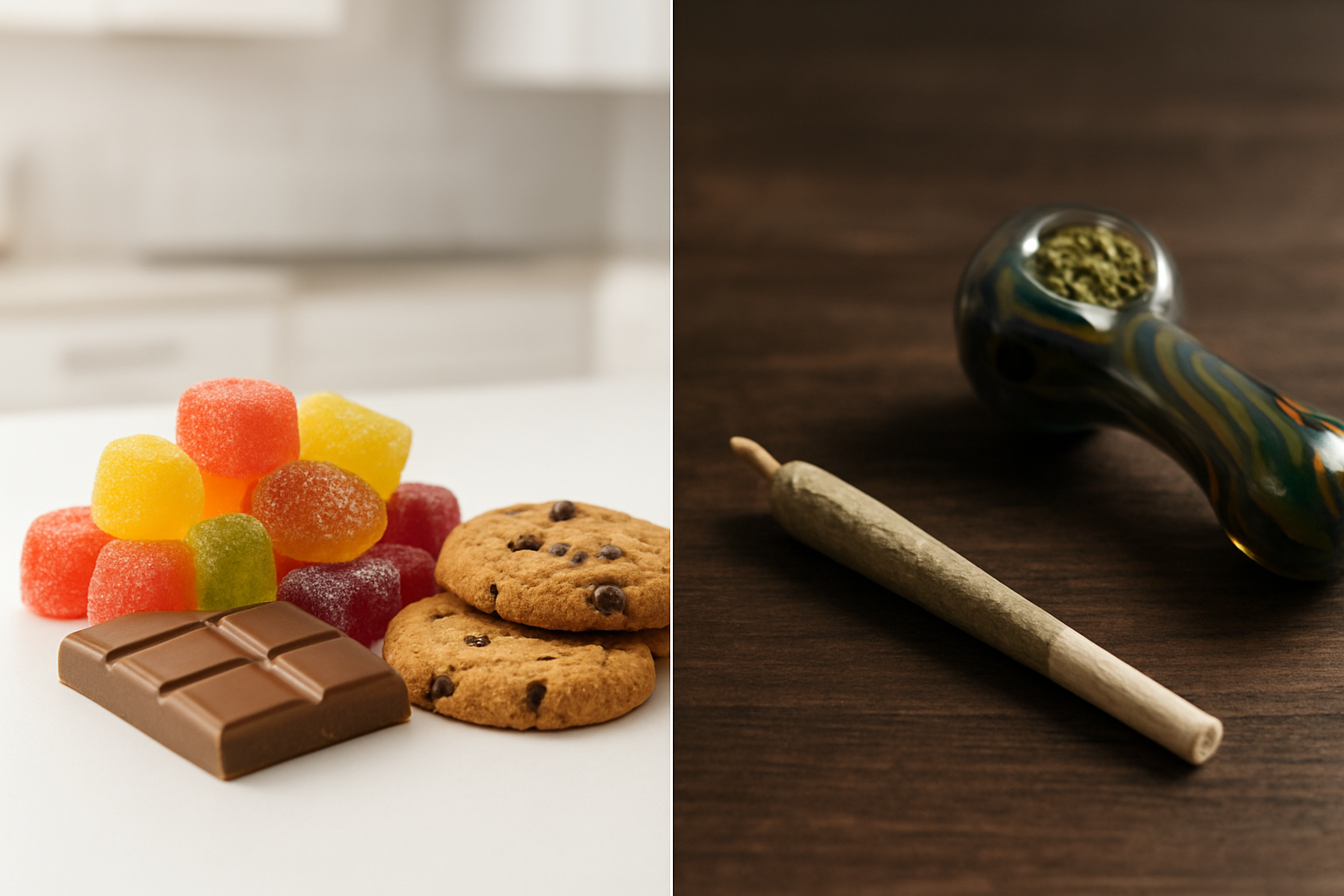
A slower onset, but longer-lasting experience
One of the biggest differences between edibles and smoking or vaping is how the body processes them. When cannabis is eaten instead of inhaled, it travels through the digestive system first. This creates a noticeably different experience from the start.
Because of this route through digestion, edibles usually take a little more time to kick in. Many people feel the effects anywhere from 30 minutes to 2 hours after eating an edible, depending on the product, the individual, and whether they’ve eaten recently. The build is gradual, which makes the experience feel smooth and easy to settle into.
Edibles are also known for lasting longer than inhaled methods. While it varies from person to person, many consumers enjoy an extended experience that unfolds slowly, peaks gently, and remains present for several hours. This is one reason edibles continue to gain attention among people who enjoy a long-lasting and steady cannabis experience without re-dosing throughout the day.
Why edibles feel unique compared to inhalation methods
Edibles offer an experience that stands apart from smoking or vaping, and it all comes down to how the body processes cannabis when it is consumed through food instead of inhaled. When you eat an edible, cannabinoids are absorbed through the digestive system and processed by the liver before entering the bloodstream. This route creates a noticeably different feeling that many people describe as more full-bodied and gradual.
Because of this, the edible experience often develops in waves. The effects tend to build slowly, settle in more deeply, and maintain presence for a longer stretch of time. Many people find this to feel more physically immersive and rounded compared to the quicker, sometimes sharper onset that comes from inhalation.
Edibles also highlight the flavor and creativity of cannabis. Terpenes, textures, and culinary-style recipes can all play a role in shaping the experience, offering something that feels enjoyable, approachable, and fun. For many consumers, this is what makes edibles special. They are not just another way to consume cannabis. They feel like an entirely different journey.
How Edibles Differ from Smoking and Vaping
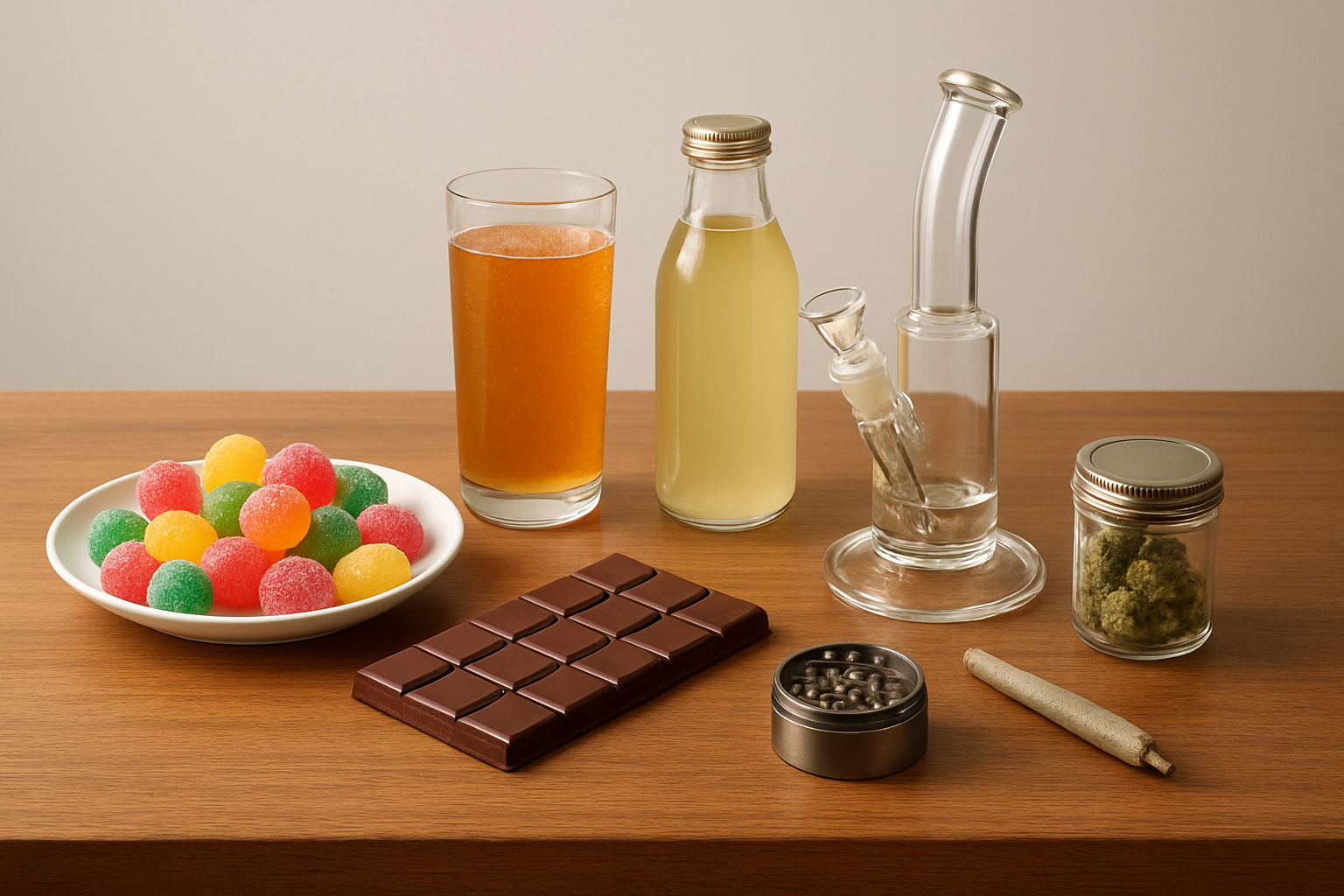
Discreet and Odorless Consumption
One of the most compelling differences that sets edibles apart from traditional smoking methods is their remarkable discretion. Unlike smoking or vaping, which produce a distinct and easily recognizable scent, edibles offer virtually odorless consumption that allows users to maintain complete privacy. This characteristic proves particularly valuable for individuals who need to consume cannabis in certain environments, shared living spaces, or public settings where drawing attention would be undesirable.
The discrete nature of edibles extends beyond just the absence of smell. These products can be consumed as naturally as eating a regular snack or taking a vitamin, making them indistinguishable from normal food consumption. This level of subtlety is impossible to achieve with smoking methods, where the act itself, along with the necessary paraphernalia and lingering odors, creates obvious indicators of cannabis use.
For many consumers, discretion is a major perk. Edibles allow people to enjoy cannabis without smoke, smell, or attention, which can feel more comfortable in shared spaces or around others who may not prefer cannabis use. This subtle approach makes edibles appealing to adults who value privacy and convenience, and it’s one of the reasons many people reach for a gummy or chocolate instead of lighting up.
No Lighter, No Rolling, No Smoke... Just Simple Consumption
Now that we've covered the discretion factor, the convenience aspect of edibles becomes equally apparent. Traditional cannabis consumption requires various tools and preparation steps that can be cumbersome and impractical. Rolling papers, lighters, pipes, or vaporizers all demand maintenance, replacement, and careful handling. Edibles eliminate this entire apparatus, offering a remarkably streamlined experience that requires nothing more than opening a package.
This simplicity extends to the consumption process itself. There's no need to master rolling techniques, maintain optimal burning temperatures, or worry about proper inhalation methods. Users can simply consume their chosen edible product with the same ease as eating any other food item. This accessibility makes edibles particularly appealing to newcomers who might find traditional smoking methods intimidating or technically challenging.
Edibles provide a smoke-free consumption method, which some consumers choose for personal or practical reasons. Because edibles are eaten rather than inhaled, the experience differs from methods that involve combustion. For individuals who prefer not to inhale smoke or who simply want a non-inhaled option, edibles offer an alternative form of cannabis consumption.
Flavor, Variety & The Fun of Trying Something New
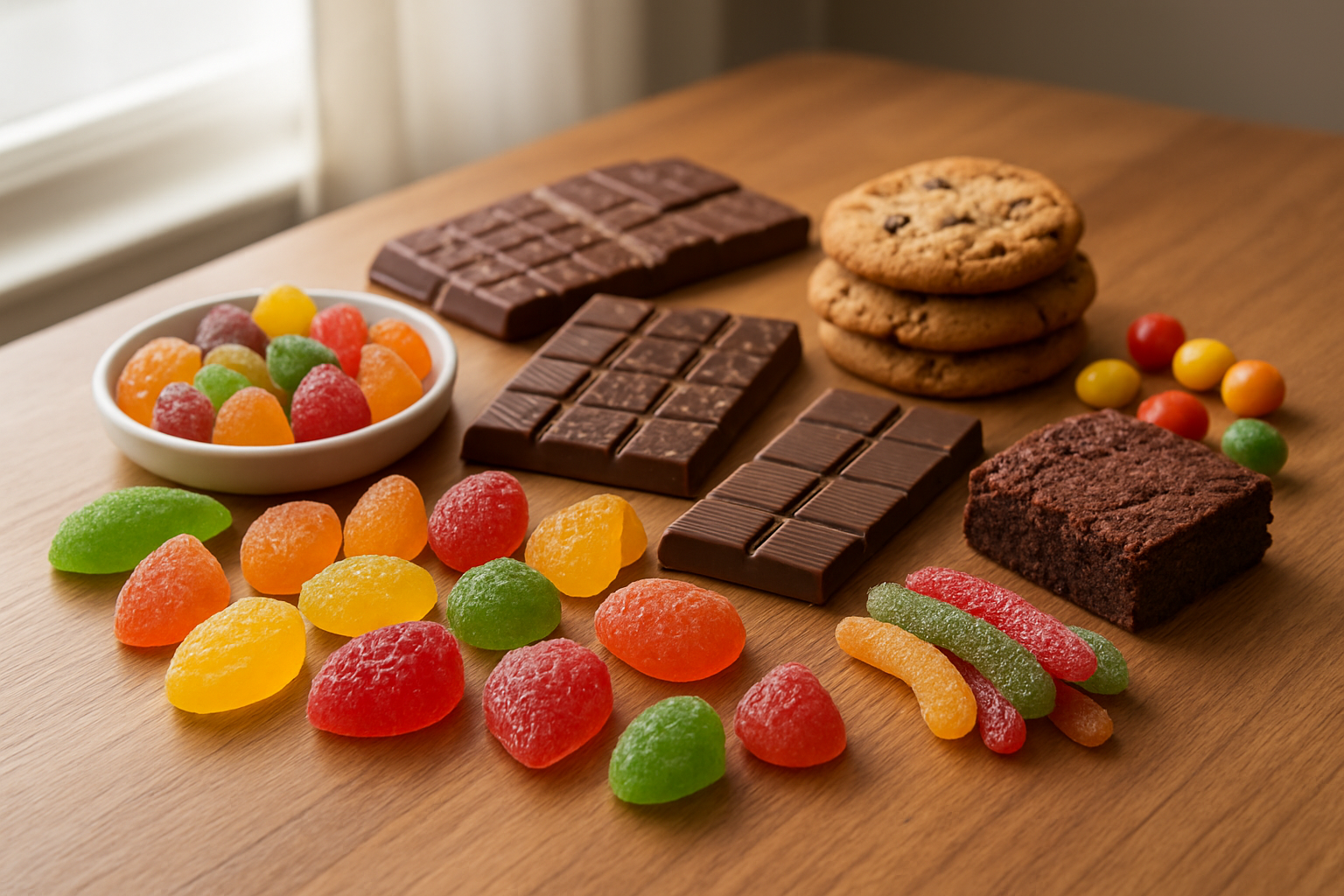
From gummies to chocolates to beverages — edibles keep evolving
The cannabis edibles market has transformed dramatically, offering consumers an unprecedented array of options that go far beyond traditional brownies. Today's market features sophisticated gummies in countless flavors, artisanal chocolates crafted with precision dosing, refreshing beverages, and innovative products that continue to push creative boundaries. This evolution reflects both advancing manufacturing capabilities and growing consumer sophistication in their preferences for cannabis consumption.
What makes this variety particularly appealing is the precision that modern edibles offer. Unlike homemade products that experienced users might navigate without issue, today's store-bought options come with clear labeling that helps new users understand exactly what they're consuming. This reliability has opened doors for consumers who previously felt uncertain about dosing, as they can now choose from carefully crafted products with consistent potency.
A taste-forward approach that doesn't require smoking
Now that we have covered the product variety, it's important to understand how edibles fundamentally change the consumption experience. The taste-forward nature of edibles provides a smoke-free format, which some consumers gravitate toward for personal preference. It offers an experience that doesn’t involve inhalation, allowing individuals who already choose edibles to enjoy cannabis in a way that aligns with their own comfort and style.
The digestive process creates an experience that many consumers describe as different from inhalation-based methods. When cannabinoids are consumed in edible form, they are processed through the liver before entering the bloodstream, which influences how effects develop. This process typically results in a slower onset, often ranging from 30 minutes to two hours, depending on the individual and the product.
Edibles are also known for having a longer duration of effects compared to inhaled methods. Because the cannabinoids are metabolized gradually, some consumers report that the experience can last for an extended period. However, individual responses vary widely, and not everyone experiences edibles in the same way.
Growing Consumer Demand and Sales Data
With this understanding of edibles' unique characteristics in mind, the market response has been overwhelmingly positive. The delayed onset requires patience and planning, and finding an ideal dose may initially be frustrating for some users, but these challenges haven't deterred growing consumer interest. New users are consistently advised to start with labeled store-bought options rather than attempting homemade alternatives, contributing to legitimate market growth and establishing edibles as a mainstream consumption method that continues to gain traction across legal markets.
The Growing Popularity of Edibles in Legal Markets
More dispensaries offering diverse options than ever before
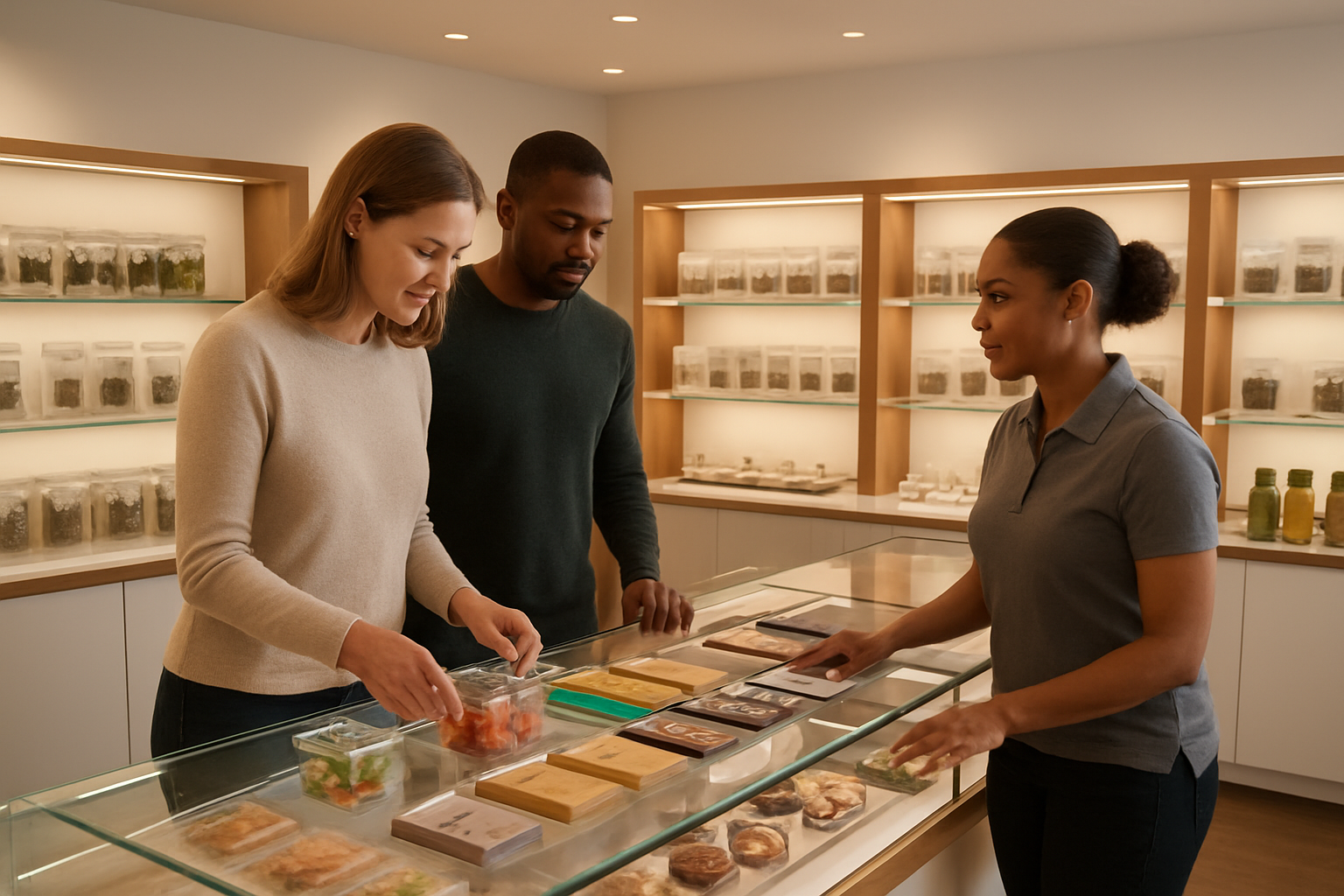
Edibles have quickly become a major category within legal cannabis retail, and the shift is noticeable the moment you walk into a dispensary. Stores like Treehouse Cannabis dedicate significant shelf space to edibles.
Examples of edible formats commonly found on dispensary shelves include:
Chocolate: Milk Chocolate Mini Bar from Grön
Gummies: Gummies from MFNY
Tablets: Flow Tablets from Revival
Edibles sold through licensed retailers are produced under state guidelines that emphasize consistency, proper labeling, and responsible preparation. Many manufacturers use commercial production facilities to meet these expectations, creating products designed to offer clarity and reliability. At Treehouse Cannabis, the team considers regulatory standards, product diversity, and the interests of different types of consumers when selecting edibles for the menu. These thoughtful choices help create a welcoming, informative experience for anyone interested in learning more about this part of the cannabis marketplace.
Factors That Influence Interest in Edibles
In today’s regulated cannabis marketplace, edibles have become a familiar and easy-to-spot category. Licensed dispensaries often carry gummies, chocolates, beverages, and other formats that give adults a chance to explore non-inhaled options in a way that feels approachable and clear.
Because edibles don’t involve smoke or odor, some consumers note that this format lines up with their personal preferences or day-to-day environments. It’s one of the reasons edibles remain a recognizable option on dispensary menus for anyone curious about alternatives to inhaled products.
Regulated edible products also come with detailed labeling, including potency and serving information, which helps consumers understand what they’re selecting before making a purchase. This transparency is a key part of how the legal market operates.
Many adults also point out that edibles have a different timing and duration compared to inhaled methods. While experiences vary widely, edibles are commonly described as having a slower onset and a longer-lasting effect window. These characteristics make them an interesting category for those learning about the range of options in licensed dispensaries.
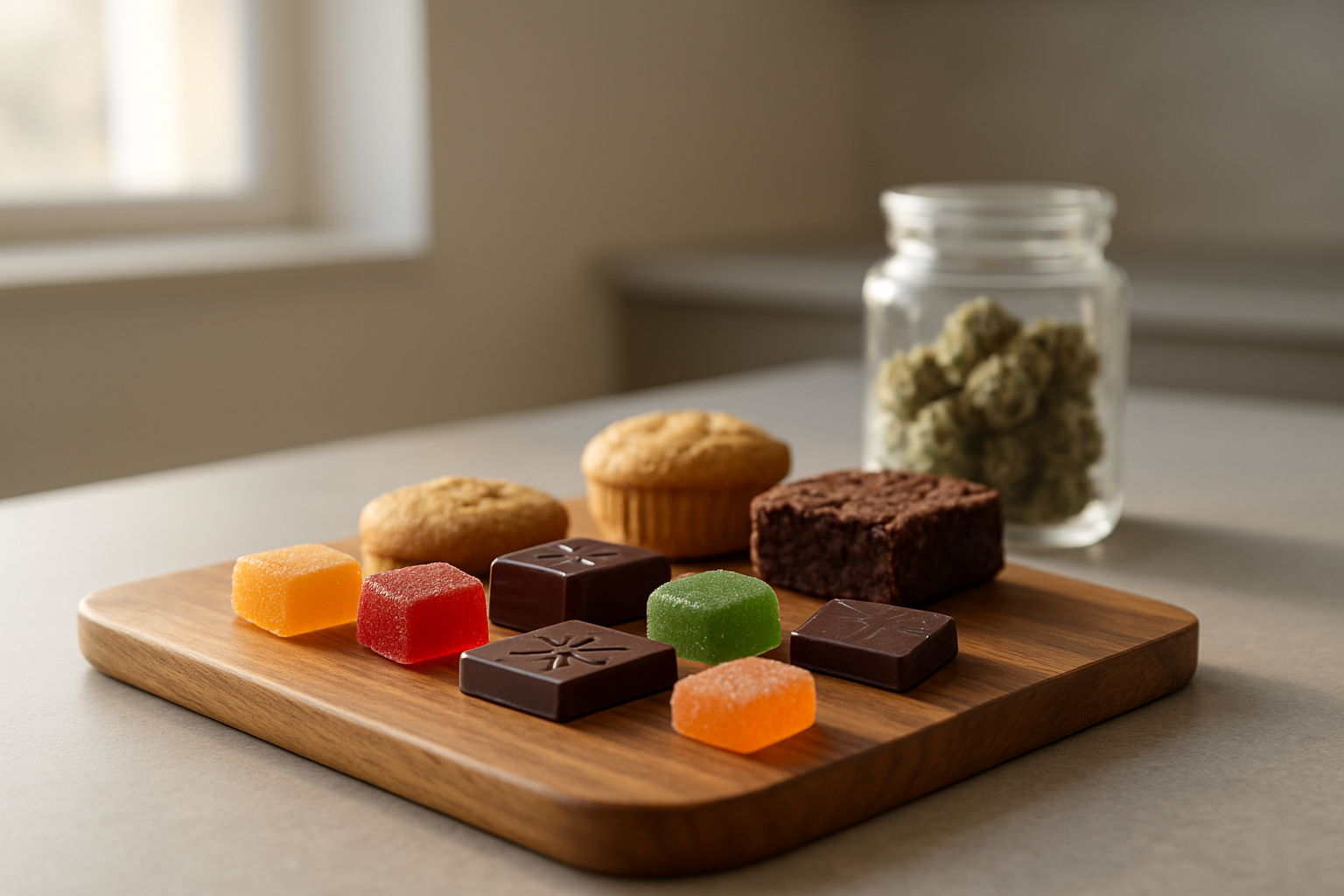
Edibles have become a recognizable part of regulated cannabis retail, offering adults a non-inhaled format with clearly labeled portions and a wide range of product types. Their slower onset and longer duration distinguish them from inhaled methods, contributing to how consumers discuss and understand this category. As legal markets continue to develop, manufacturers introduce new edible formats in accordance with state guidelines, adding to the variety seen on dispensary menus. These ongoing developments reflect the evolving structure of regulated cannabis offerings and help illustrate how edibles fit into the broader landscape of available options.

Shop our products

Shop All

Flower

Pre-rolls
Vaporizers

Edibles
Drinks

Concentrates
Tinctures

Topicals

CBD

Pet CBD
Accessories