
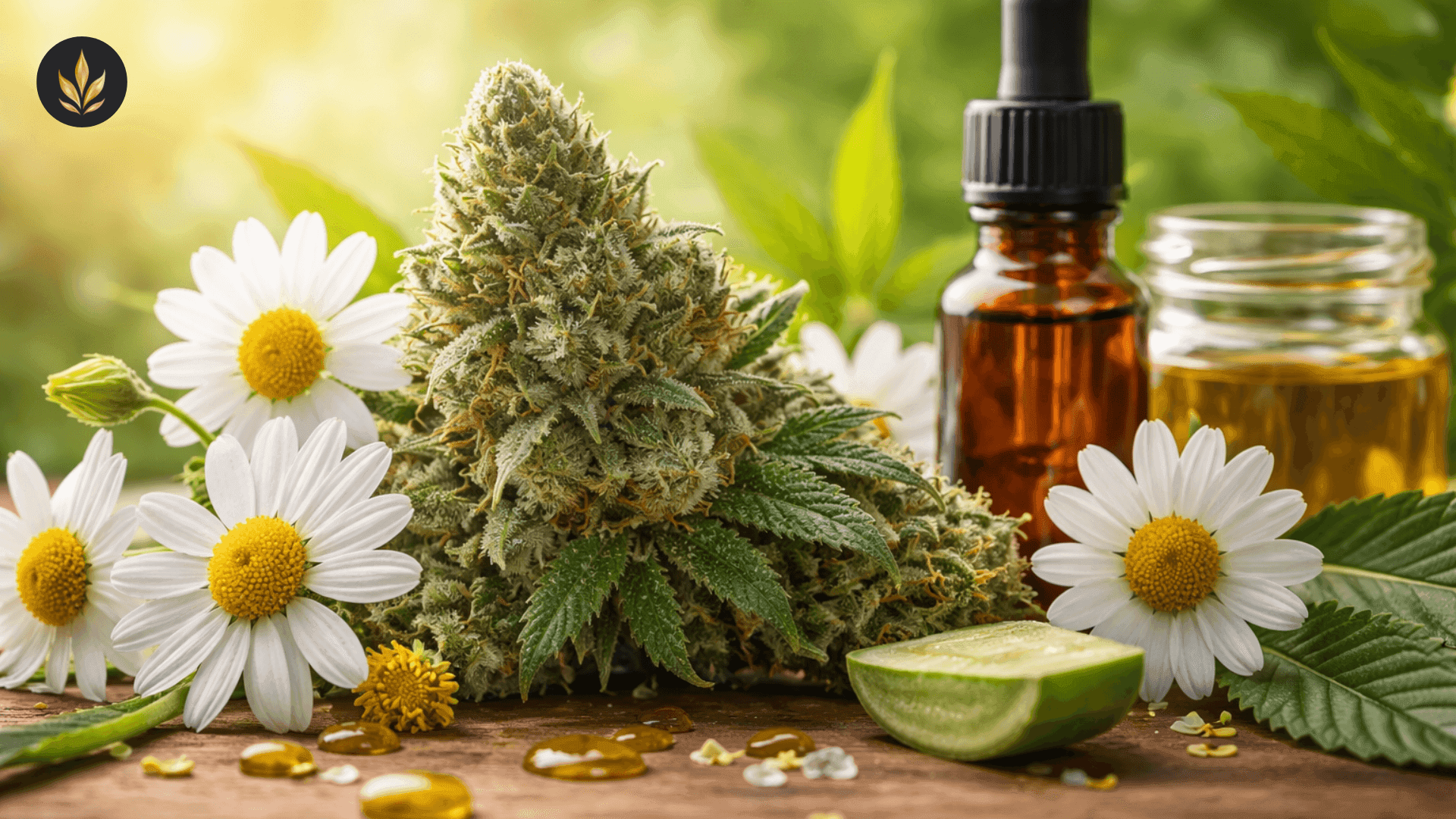
Discover what bisabolol is, where it comes from, and how this subtle terpene helps shape the aroma and overall cannabis experience.
Bisabolol 101: The Gentle Terpene You Should Know

Written by
Treehouse Cannabis
Bisabolol 101: The Gentle Terpene You Should Know
Bisabolol might be the most underrated terpene in cannabis and wellness today. This gentle compound offers impressive anti-inflammatory and skin-soothing benefits that make it a standout choice for both cannabis users and skincare enthusiasts.
If you're curious about natural compounds that can enhance your cannabis experience or improve your skincare routine, bisabolol deserves your attention. Found naturally in German chamomile and certain cannabis strains, this floral-scented terpene has been quietly making waves in cosmetics for years—and now it's gaining recognition in the cannabis world.
This guide covers everything you need to know about bisabolol, from its natural origins and distinctive aroma to the role it plays in cannabis terpene profiles and the entourage effect. We’ll explore how this subtle terpene contributes to flavor, cultivar character, and overall plant expression, along with how understanding terpene content can help you make more informed choices when exploring cannabis products.
Understanding Bisabolol: The Gentle Terpene Basics

What is Bisabolol and Its Chemical Properties
Bisabolol, also known as α-Bisabolol or levomenol, is a naturally occurring monocyclic sesquiterpene alcohol that stands out as a fragrant chemical compound with remarkable versatility. This gentle terpene belongs to the sesquiterpene family, characterized by its unique molecular structure that contributes to both its aromatic properties and therapeutic potential. As a monocyclic compound, bisabolol features a distinctive ring structure that differentiates it from other terpene categories, making it particularly valuable in various applications.
The chemical composition of bisabolol contributes to its stability as an aromatic compound, allowing it to retain its distinctive characteristics across different environments and applications. As a sesquiterpene alcohol, bisabolol is recognized for its unique molecular structure and recognizable floral aroma, helping distinguish it from many other terpenes commonly found in plants and cannabis.
Natural Sources: German Chamomile and Candeia Tree
Bisabolol is primarily sourced from two main botanical origins that have been treasured for centuries. German chamomile serves as the most well-known natural reservoir of this gentle terpene, contributing to the flower's renowned soothing properties. The candeia tree represents another significant natural source, providing substantial concentrations of bisabolol that have been utilized in traditional applications.
Beyond these primary sources, bisabolol is also present in smaller amounts in certain cannabis strains, where it contributes to the complex terpene profiles that define specific cultivars. This diverse botanical presence demonstrates the compound's widespread occurrence in nature and its evolutionary significance across different plant species.
Distinctive Floral Aroma and Taste Profile
The sensory characteristics of bisabolol are immediately recognizable through its pleasant, floral-scented odor that captivates users and formulators alike. This distinctive aroma profile features sweet, floral, and slightly woody notes that create a complex and appealing olfactory experience. The fragrant nature of bisabolol makes it highly sought after in cosmetic and aromatherapy applications.
In cannabis applications, strains with high levels of bisabolol often carry subtle herbal and floral undertones that complement other terpenes like limonene and myrcene. This harmonious blending creates sophisticated flavor profiles that enhance the overall sensory experience while contributing to the entourage effect.
How Bisabolol Differs from Other Common Terpenes
Bisabolol distinguishes itself from other common terpenes through its unique combination of gentle therapeutic properties and exceptional tolerability. Unlike more potent terpenes that may cause irritation or sensitivity, bisabolol's mild nature makes it suitable for sensitive applications, particularly in skincare formulations. Its monocyclic sesquiterpene structure provides different benefits compared to monoterpenes, different effects and some skin penetration capabilities.
The versatility of bisabolol sets it apart as a multifunctional terpene that delivers anti-inflammatory, antimicrobial, and skin-lightening possibilities simultaneously, making it a standout contender in different applications where other terpenes might only provide some different benefits.
Bisabolol’s Role in Cannabis Cultivation and Flavor Profiles
Create a realistic image of freshly harvested cannabis flower resting on trimming trays inside a modern indoor cultivation facility, with soft natural lighting highlighting frosty trichomes and vibrant green tones, subtle cultivation equipment blurred in the background, creating a clean and professional grow-room atmosphere, absolutely NO text should be in the scene.
A Subtle but Important Terpene in Cannabis
While bisabolol appears in smaller concentrations compared to dominant terpenes like myrcene or limonene, it still plays an important role in shaping the identity of certain cannabis cultivars. Terpenes work together to create a plant’s overall aroma, and even minor terpenes can significantly influence how a strain smells and tastes.
Bisabolol often contributes soft floral and slightly sweet notes that help balance stronger earthy, gassy, or citrus-forward terpene profiles. This subtle influence adds depth and complexity, making some strains feel more rounded and refined from an aromatic standpoint.
How Growers Preserve Terpenes Like Bisabolol
Cultivators pay close attention to environmental conditions to protect terpene expression throughout the growing process. Factors such as lighting intensity, temperature control, humidity levels, and harvest timing all influence terpene preservation.
Because bisabolol is more delicate than some dominant terpenes, careful drying and curing practices are especially important. Proper post-harvest handling helps maintain aroma integrity and ensures that terpene profiles remain intact by the time products reach dispensary shelves.
Why Terpene Testing Matters
Modern cannabis testing allows producers and consumers to see terpene content alongside cannabinoid percentages. Lab results often reveal smaller supporting terpenes like bisabolol that might otherwise go unnoticed.
For consumers, this information provides another way to explore cannabis beyond THC numbers. Two products with similar potency may smell and feel very different depending on their terpene composition, highlighting why terpene awareness has become an important part of cannabis education.
Choosing Cannabis Through Aroma and Terpenes
Many experienced cannabis consumers shop by scent and terpene profile rather than potency alone. Recognizing terpenes like bisabolol helps build a deeper understanding of personal preferences.
Exploring terpene-rich products encourages a more sensory-driven approach to cannabis — one focused on flavor, aroma, and overall plant expression. Over time, learning terpene names and profiles can help consumers better predict which products they may enjoy most.
Cannabis Applications and the Entourage Effect
How Bisabolol Enhances Cannabinoid Interactions
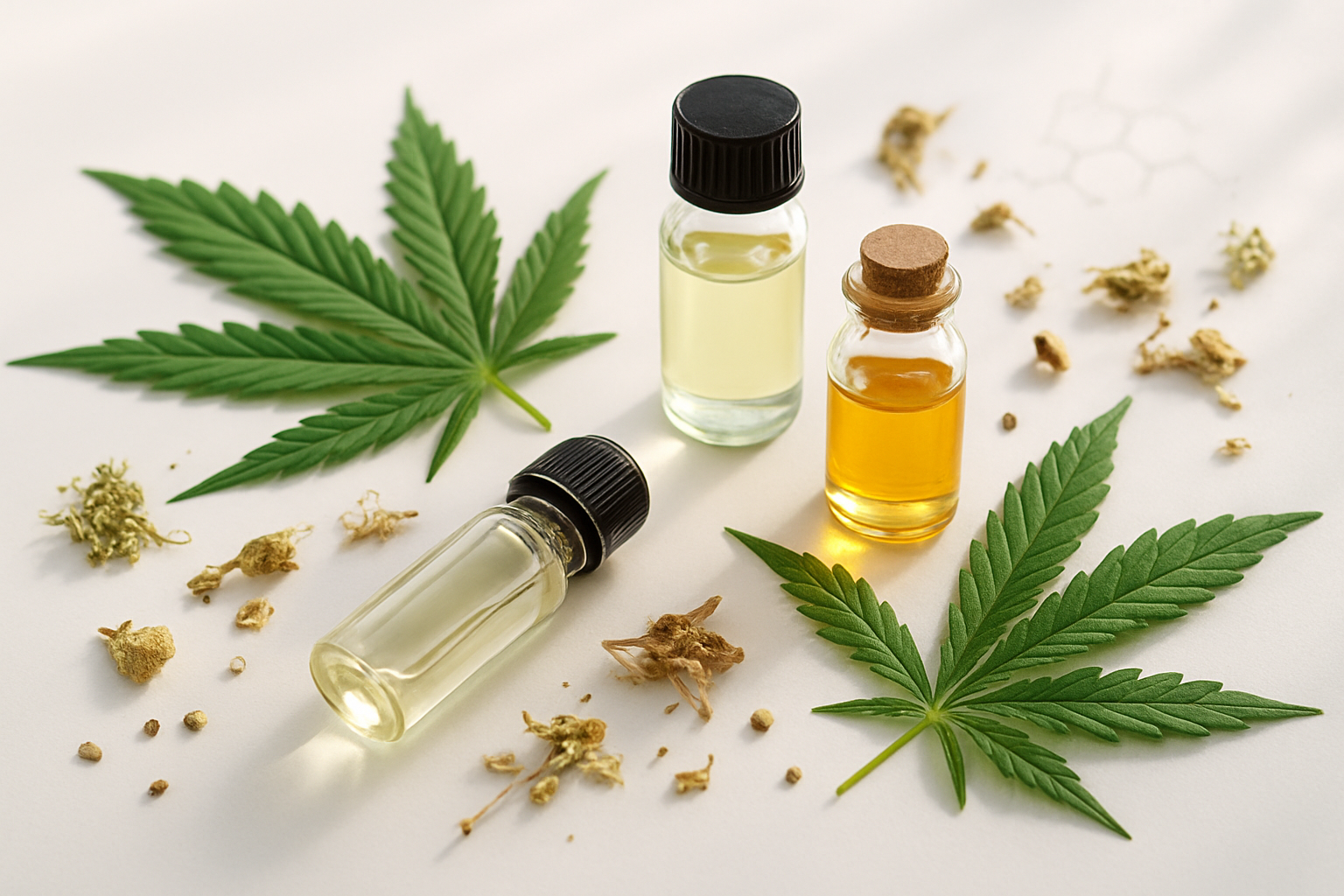
In cannabis, bisabolol enhances the therapeutic benefits of cannabinoids and plays a vital role in the entourage effect. This gentle terpene works synergistically with the plant's active compounds, creating a more comprehensive therapeutic profile than individual components could achieve alone. The anti-inflammatory and antioxidant properties of bisabolol complement cannabinoids like THC and CBD, amplifying their overall efficacy in ways that researchers are continuing to explore and understand.
Popular High-Bisabolol Cannabis Strains
Several cannabis strains are known for containing notable levels of bisabolol. While terpene profiles can vary by grower and batch, these varieties are often associated with bisabolol presence:
OG Kush — A classic strain with a complex terpene profile and layered earthy, floral aromas.
Bubba Kush — Known for its rich, deep aroma supported by a diverse terpene composition.
Kosher Kush — A Kush lineage favorite recognized for its bold aroma and terpene depth.
Dulce de Uva — A newer cultivar appreciated for its expressive terpene profile and sweet, nuanced scent.
Girl Scout Cookies — A widely loved strain featuring a balanced and complex terpene blend.
Sour OG — Combines sour citrus notes with classic OG characteristics driven by terpene diversity.
Note: Terpene levels vary depending on cultivation practices, harvest timing, and individual product batches. Always check lab results or product labels for the most accurate terpene information.
Synergistic Effects with THC and CBD
The interaction between bisabolol and primary cannabinoids creates remarkable synergistic effects that enhance the overall cannabis experience. When combined with THC and CBD, bisabolol's anti-inflammatory and antioxidant properties work to complement and amplify the therapeutic potential of these cannabinoids. This collaboration results in more balanced effects, potentially reducing unwanted side effects while maximizing desired outcomes.
Learning Terpenes at Treehouse: Education First
At Treehouse Cannabis, education is a core part of how we help guests explore cannabis with confidence. While cannabinoids like THC and CBD often get the spotlight, terpenes — including bisabolol — play an equally important role in shaping aroma, flavor, and overall experience. That’s why we focus on breaking down cannabis in ways that feel approachable, clear, and welcoming for everyone, whether you’re brand new or already familiar with the plant.
Why Education Matters to Us
Walking into a dispensary can feel overwhelming. With so many products, strains, and percentages to consider, it’s easy to focus only on THC levels. Our goal at Treehouse is to shift that conversation toward understanding the full plant — including terpene profiles that help explain why different products feel and smell unique.
By helping guests learn about terpenes like bisabolol, we aim to make cannabis shopping more personal, informed, and experience-driven rather than numbers-driven.
Terp Talk Tuesday
One of the ways we bring cannabis education to life is through our Terp Talk Tuesday series. Led by our education team, each episode highlights a specific terpene and breaks it down in simple, real-world terms — from aroma and natural origins to how it contributes to the character of different cannabis varieties.
These short educational sessions are designed to:
Make cannabis science easier to understand
Help guests recognize terpene names on product labels
Encourage exploration beyond THC percentages
Create an ongoing conversation around plant education
Bisabolol is just one example of the many terpenes we explore through Terp Talk, helping guests connect what they learn online with what they experience in-store.
Continuing the Conversation In-Store
Education doesn’t stop with videos or blogs. Our team regularly helps guests read terpene profiles, understand lab results, and discover products based on aroma preferences and personal curiosity. Whether someone is exploring cannabis for the first time or refining what they already enjoy, our goal is always the same: create a comfortable space to ask questions and learn.
At Treehouse, cannabis education is less about telling people what to choose and more about giving them the tools to explore what works best for them.

Bisabolol may be a quieter terpene, but it plays an important role in the depth and complexity of cannabis. Its soft floral aroma and subtle influence help show how terpenes shape the personality of a strain beyond THC percentages alone.
Learning about terpenes like bisabolol encourages a more thoughtful way to explore cannabis — one guided by aroma, flavor, and overall plant expression. As terpene awareness continues to grow, understanding these compounds helps turn cannabis shopping into a more informed and personal experience.
At Treehouse Cannabis, education is always part of the journey. Whether you’re reading terpene profiles, exploring new strains, or following along with our Terp Talk series, every step toward understanding the plant helps you discover what you enjoy most.



Shop our products

Shop All

Deals

Flower

Pre-rolls

Vaporizers

Edibles

Drinks

Concentrates

Tinctures

Topicals

CBD

Pet CBD

Accessories