
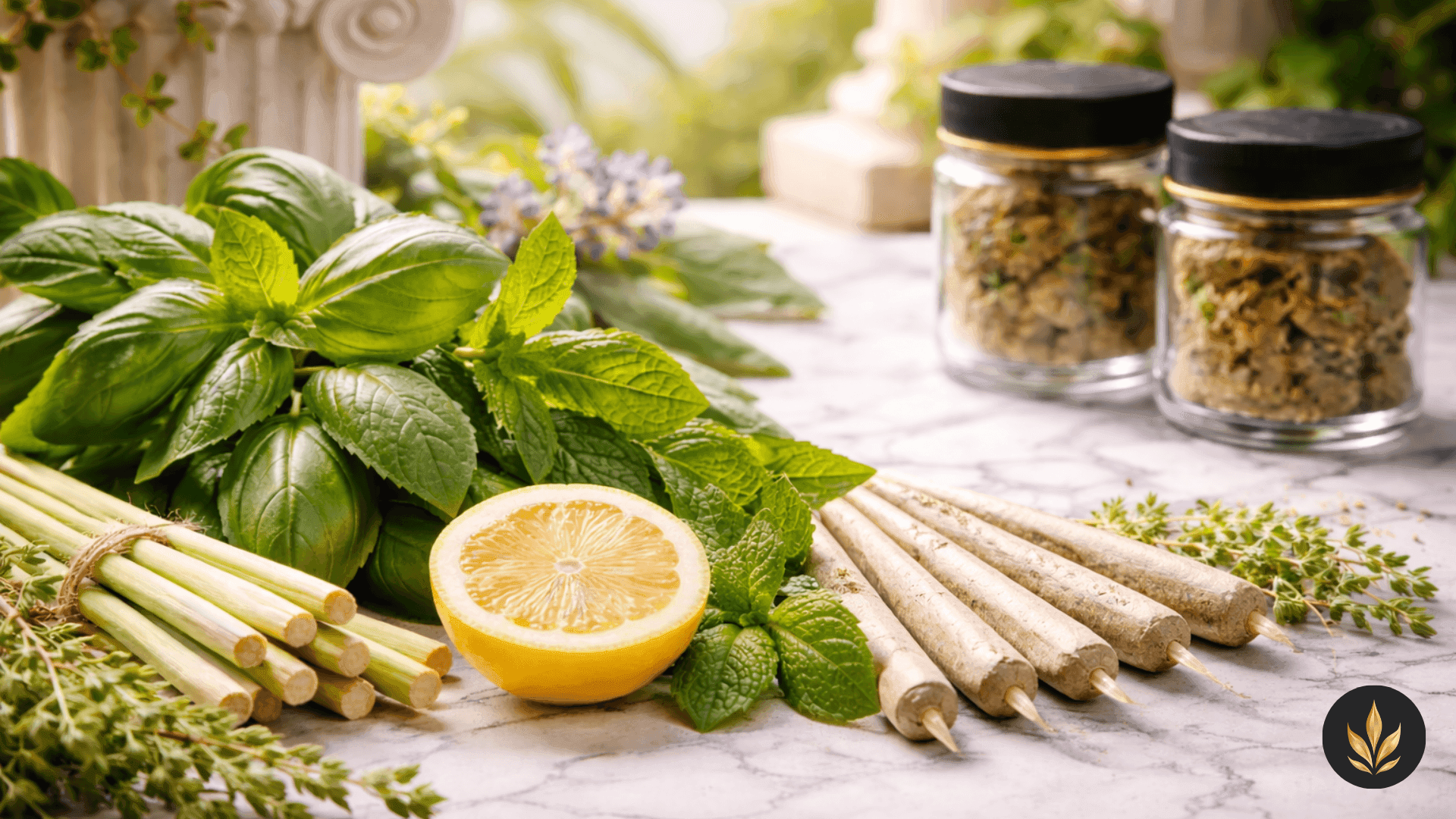
From basil to cannabis, learn about the terpene responsible for bright, sweet, and herbal notes.
What Is Ocimene? The Sweet, Uplifting Terpene in Cannabis

Written by
Treehouse Cannabis
What Is Ocimene? The Sweet, Uplifting Terpene in Cannabis

Cannabis enthusiasts who are curious about specific terpenes will find ocimene particularly fascinating. This sweet, herbaceous terpene creates the distinctive citrusy and woody aromas in strains like Green Crack and Clementine, while potentially offering uplifting effects that set it apart from more sedating compounds.
Unlike some terpenes that dominate a strain's profile, ocimene typically plays a supporting role—but don't let that fool you. This naturally occurring compound appears in basil, mangoes, and lavender, bringing the same fresh, energizing qualities to cannabis that make it popular in perfumes and everyday products.
We'll explore ocimene's unique characteristics and how they contribute to your cannabis experience. You'll discover which strains contain the highest levels of this terpene and learn how ocimene stacks up against other common terpenes like myrcene and limonene. Everything you need to know about Ocimene and it's relationship with cannabis is here.
Understanding Ocimene's Unique Characteristics

Defining ocimene as a monoterpene with sweet, herbaceous, and citrusy properties
Ocimene stands out as a distinctive monoterpene that contributes significantly to the complex aromatic profiles found in cannabis and numerous other plants. This fascinating compound is characterized by its multifaceted sensory properties, delivering sweet, herbaceous, citrusy, and woody flavors and aromas that create a truly unique olfactory experience. As a monoterpene, ocimene belongs to a class of organic compounds composed of two isoprene units, making it a fundamental building block in the world of natural aromatics.
The sweet characteristics of ocimene provide a pleasant, almost floral undertone that softens the overall aroma profile, while its herbaceous qualities add an earthy, garden-fresh dimension. The citrusy notes bring brightness and zest to the aromatic bouquet, creating an uplifting and energizing sensory experience. Additionally, the woody aspects contribute depth and complexity, grounding the lighter citrus and sweet notes with a more robust foundation.
Exploring ocimene's natural occurrence in basil, mangoes, lavender, and other plants
Ocimene demonstrates remarkable versatility in its natural distribution, establishing itself as one of the most common terpenes found throughout the plant kingdom. This widespread occurrence highlights ocimene's fundamental role in plant biology and its evolutionary significance across diverse botanical families.
Among the notable plants containing ocimene, basil stands as a prime example, contributing to the herb's distinctive aromatic profile that makes it so valued in culinary applications. Mangoes also contain significant amounts of ocimene, which helps explain the fruit's complex sweet and tropical aroma that many find so appealing. Lavender, renowned for its calming properties, derives part of its characteristic scent from ocimene content.
The terpene's presence extends far beyond these well-known examples. Ocimene naturally occurs in hops, which plays a crucial role in beer brewing and contributes to the beverage's aromatic complexity. Kumquats benefit from ocimene's citrusy properties, enhancing their bright, zesty character. Other notable plants containing ocimene include bergamot, orchids, pepper, mint, parsley, tarragon, and bay laurel, demonstrating the compound's incredible diversity across different plant families and geographical regions.
Cannabis Strains High in Ocimene Content

Notable Cannabis Strains That Contain Ocimene
Several cannabis strains are known for having notable amounts of ocimene in their terpene profiles. Some of the most commonly recognized include:
Clementine – One of the best-known ocimene-rich strains, often associated with bright citrus aromas and vibrant terpene profiles.
Green Crack – Another classic example where ocimene contributes to the strain’s fresh and lively aroma.
Jack Herer – A legendary strain recognized for its layered terpene profile and complex aroma.
Each of these cultivars demonstrates how ocimene can contribute to a strain’s overall aroma and character while working alongside other terpenes.
Ocimene’s Role in Terpene Profiles
Ocimene is rarely the dominant terpene in a cannabis strain. Instead, it usually appears as:
The second most abundant terpene
The third most abundant terpene
A supporting aromatic compound within a broader terpene profile
Even in a supporting role, ocimene can still influence how a strain smells and interacts with other compounds.
It commonly appears alongside terpenes such as:
Together, these compounds contribute to the complex aromatic profiles found in many cannabis varieties. Check out our blogs we've done on those terps HERE!
Ocimene and Sativa-Dominant Strains
Ocimene is most frequently found in sativa-dominant strains and sativa-leaning hybrids.
Common patterns include:
Higher presence in uplifting or energizing varieties
Frequent appearance in citrus-forward or herbal terpene profiles
Association with sativa genetic lineages
This pattern highlights how terpene profiles can vary across different cannabis cultivars and why terpene composition is often considered when exploring different strain characteristics.
Ocimene Compared to Other Terps

Ocimene vs Bisabolol
While both ocimene and bisabolol are valuable terpenes in cannabis, they offer distinctly different therapeutic profiles. Bisabolol is primarily known for its gentle, chamomile-like effects and skin-soothing properties, making it popular in cosmetic applications. In contrast, ocimene brings a more robust anti-inflammatory response to the table. Research demonstrates that ocimene effectively suppresses inflammatory substances from the immune system and specifically inhibits COX-2 activity, the enzyme responsible for inflammation and pain. This makes ocimene particularly valuable for users seeking relief from inflammatory conditions, whereas bisabolol tends to focus more on calming and skin-related benefits.
The antiviral capabilities of ocimene also set it apart from bisabolol. Studies indicate that high-ocimene plant oils, such as bay laurel, can inhibit serious viral infections including herpes simplex virus (HSV-1) and even the SARS virus. This antiviral potency gives ocimene a unique therapeutic edge that bisabolol doesn't typically demonstrate.
Ocimene vs Farnesene
Farnesene and ocimene share some similarities as minor terpenes in cannabis, but their therapeutic applications differ significantly. Farnesene is often associated with calming effects and potential sedative properties, while ocimene demonstrates more diverse medicinal applications. The antifungal capabilities of ocimene are particularly noteworthy when compared to farnesene. Research shows ocimene's effectiveness against various fungi including ringworm, C. neoformans, and Candida albicans, while also helping reduce food spoilage through its antimicrobial properties.
Additionally, ocimene's role in diabetes management sets it apart from farnesene. Studies suggest that ocimene may help treat diabetes symptoms and hypertension by inhibiting key enzymes connected to type 2 diabetes, while also providing antioxidative properties that support overall metabolic health.
Ocimene vs Limonene
Limonene is one of the most abundant terpenes in cannabis, known for its citrusy aroma and mood-enhancing properties. While limonene excels in stress relief and potential anti-anxiety effects, ocimene offers a more comprehensive anti-inflammatory profile. The ability of ocimene to suppress inflammatory substances from the immune system and inhibit COX-2 activity provides targeted relief for inflammatory conditions that limonene may not address as effectively.
Both terpenes share antifungal properties, but ocimene's research-backed effectiveness against specific pathogens like ringworm and Candida albicans, combined with its food preservation capabilities, demonstrates a broader spectrum of antimicrobial activity. Furthermore, ocimene's antiviral properties, particularly against HSV-1 and SARS virus, offer therapeutic benefits that extend beyond limonene's primary focus areas of mood enhancement and digestive support.
Ocimene's Impact on Cannabis Experience

A Non-Psychoactive Terpene That Shapes Aroma and Character
Ocimene is a non-psychoactive terpene, meaning it does not produce intoxicating effects on its own. Unlike cannabinoids such as THC, terpenes like ocimene primarily influence the aroma, flavor, and overall sensory profile of a cannabis strain.
This terpene is often associated with fresh, sweet, and herbal scents, similar to what you might notice in plants like basil, orchids, and certain citrus varieties. When present in cannabis, ocimene contributes to the unique aromatic qualities that help distinguish one strain from another.
Because terpenes are a major part of cannabis chemistry, they play an important role in shaping the overall experience of a particular cultivar.
Ocimene and the Entourage Effect
Ocimene is also frequently discussed in relation to the entourage effect, a concept used to describe how the many compounds found in cannabis interact together.
Cannabis contains a wide range of natural components, including:
Cannabinoids such as THC and CBD
Terpenes like ocimene, myrcene, limonene, and pinene
Flavonoids and other plant compounds
Rather than existing in isolation, these compounds are typically present together within the plant, contributing to the complex characteristics of each strain.
This interaction between compounds is one reason why cannabis varieties can differ so widely in aroma, flavor, and overall profile, even when they share similar cannabinoid levels.
Commonly Associated With Certain Cannabis Profiles
Ocimene is most often found in sativa-dominant strains and sativa-leaning hybrids. Strains that contain noticeable levels of ocimene are frequently described as having:
Sweet or herbal aromas
Citrus-like notes
Bright or fresh scent profiles
Because terpene compositions vary between cultivars, the presence of ocimene is simply one of many factors that contribute to how a strain is perceived in terms of aroma and overall character.
Understanding terpene profiles—including ocimene—can help provide a deeper appreciation for the complex chemistry behind different cannabis varieties.
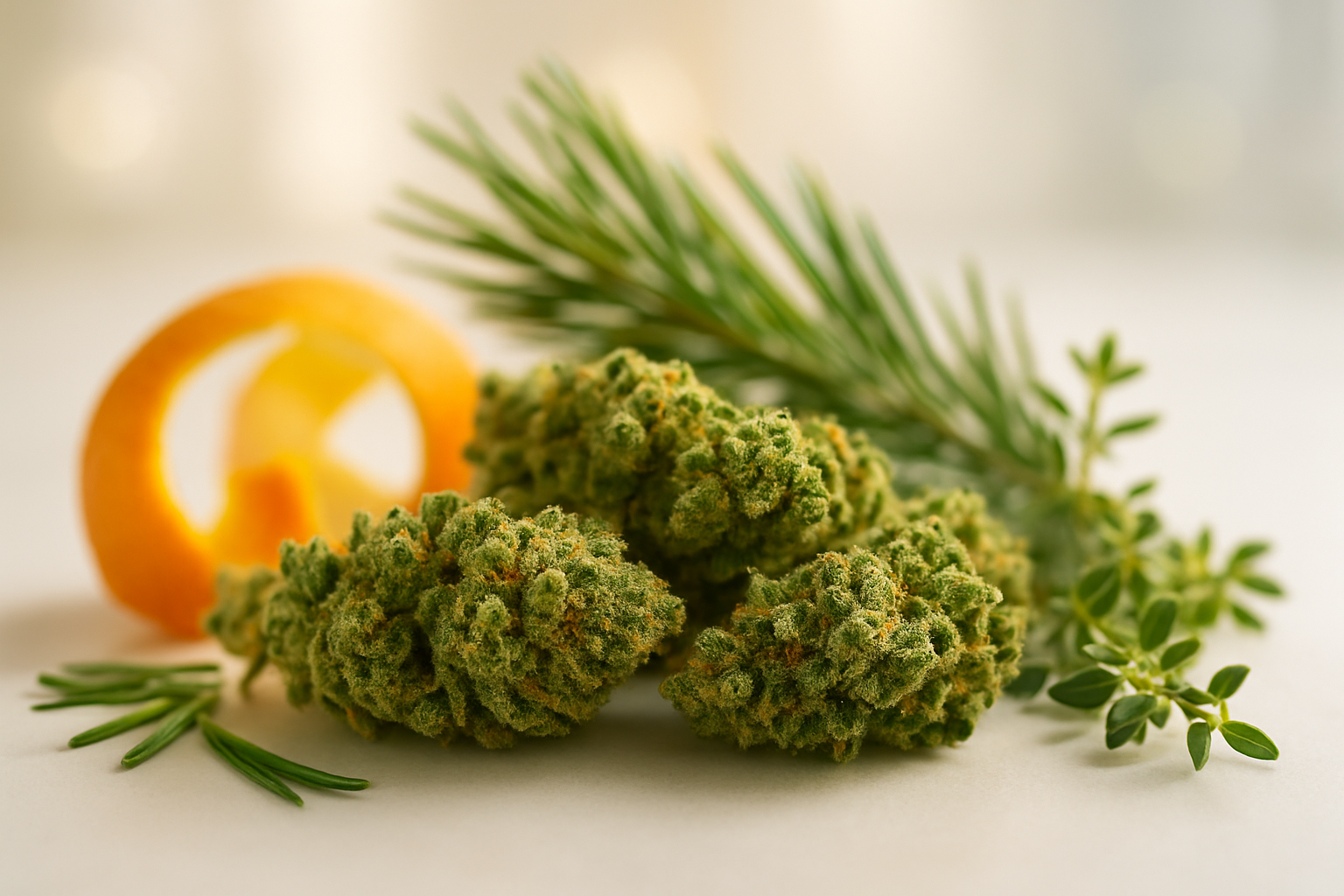
Ocimene may not always be the most dominant terpene in cannabis, but it plays an important role in shaping the plant’s aromatic complexity. With its sweet, herbal, and citrus-like notes, ocimene contributes to the fresh and vibrant scent profiles found in many well-known strains.
Beyond cannabis, this terpene appears throughout the natural world in plants like basil, mango, lavender, and orchids, highlighting how closely cannabis chemistry connects with the broader plant kingdom. When present in cannabis, ocimene works alongside other compounds such as myrcene, limonene, and pinene to create the layered aromas and flavors that make each cultivar unique.
As interest in terpenes continues to grow, understanding compounds like ocimene can help deepen appreciation for the complexity of cannabis. If you enjoy learning about terpenes, be sure to check out our Treehouse Terp Talk Tuesday series on social media, where Greg breaks down terpenes like ocimene along with many others, and dives into different cannabis topics to help make the science behind the plant easier to understand.



Shop our products

Shop All

Flower

Pre-rolls

Vaporizers

Edibles

Drinks

Concentrates

Tinctures

Topicals

CBD

Pet CBD

Accessories