
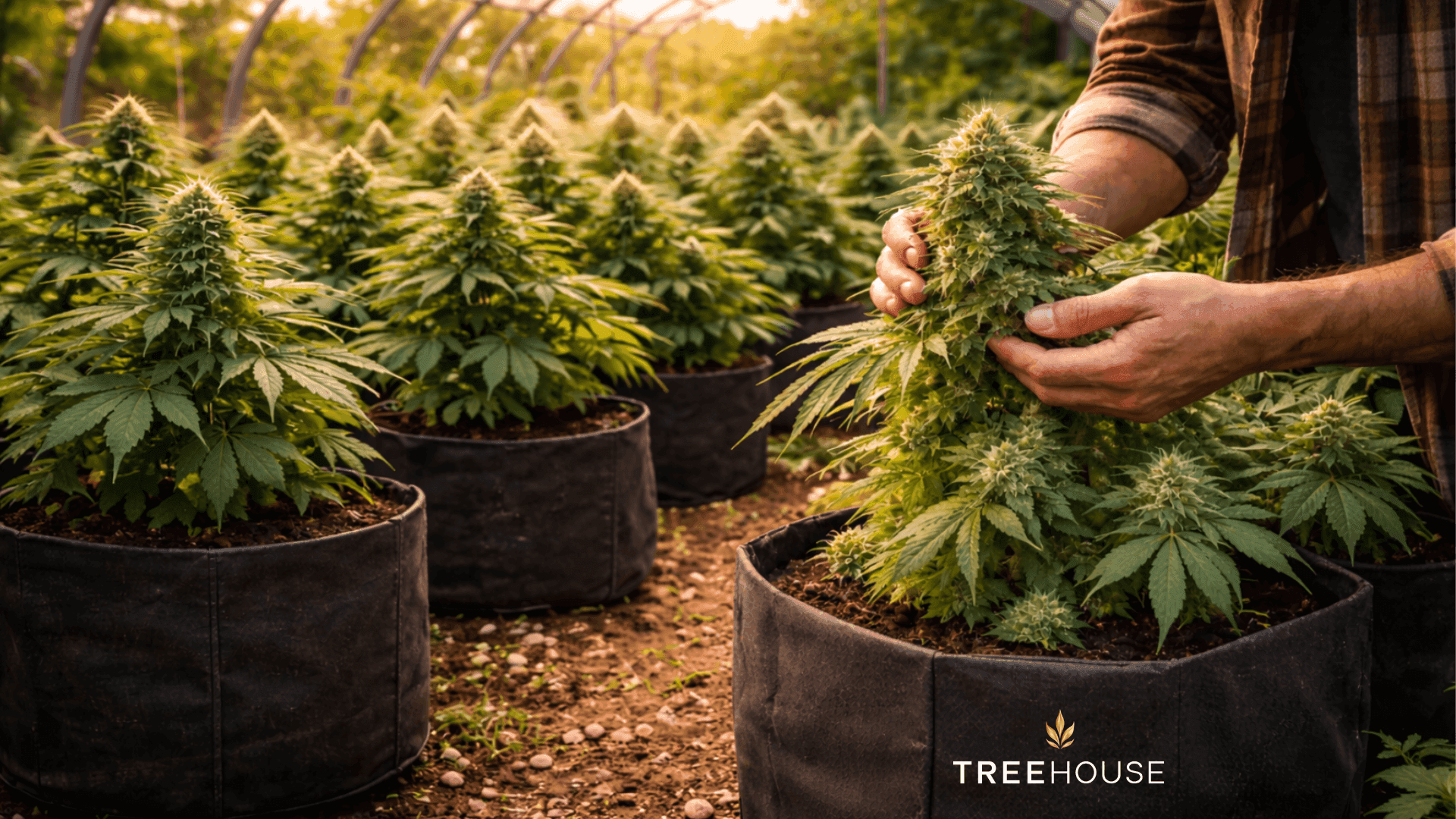
Breaking down what small batch really means in legal cannabis
What Does Small Batch Actually Mean?

Written by
Treehouse Cannabis
What Does Small Batch Actually Mean?
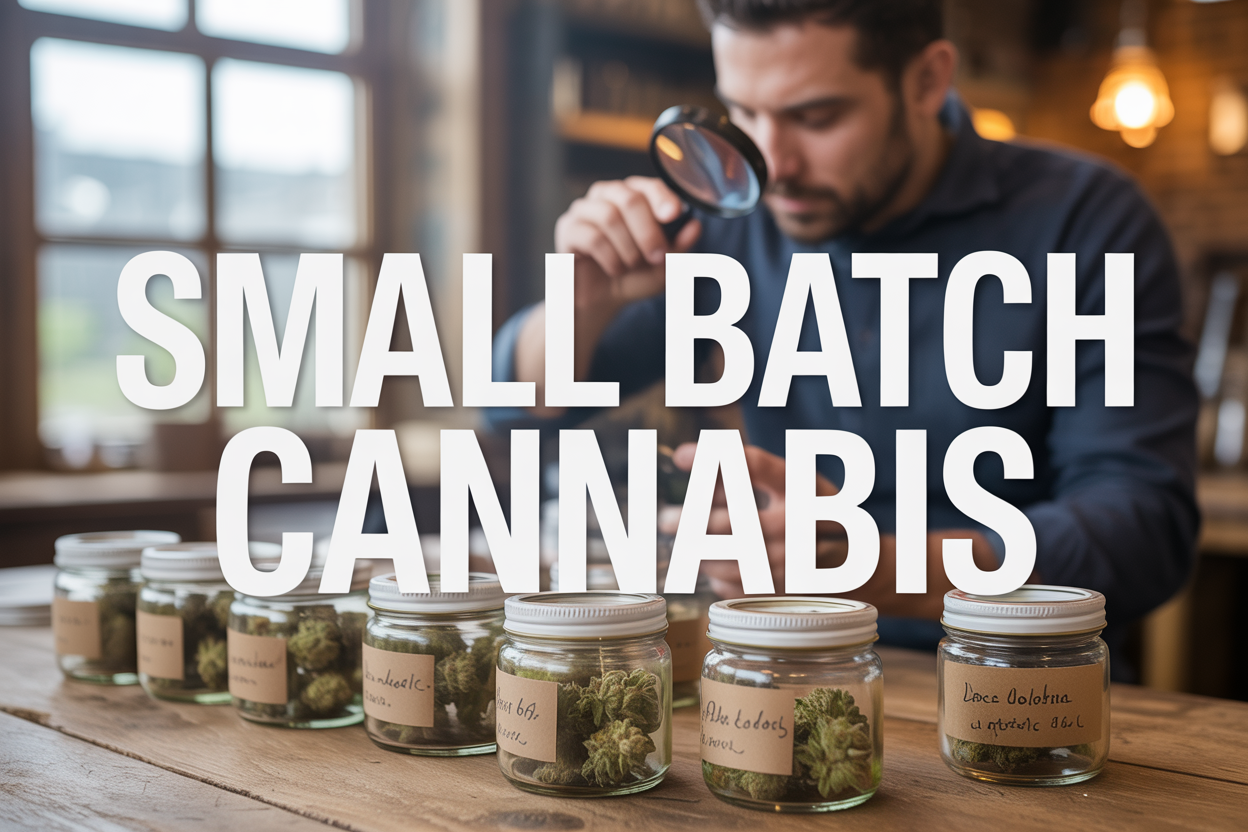
You've probably seen "small batch" on cannabis labels and wondered if it actually means anything special. Or you might have seen it every Saturday when Treehouse highlights a small batch brand. This guide is for cannabis consumers who want to understand what they're buying and make informed choices about their products.
"Small batch" has become a popular term in legal cannabis, but like many industry words, it can mean different things to different people. Some companies use it to signal premium quality and careful cultivation, while others might slap the label on any product to justify higher prices.
We'll break down what small batch cannabis production actually involves behind the scenes, show you how to decode the information on cannabis packaging to spot genuine small batch products, and explain why this term has gained so much importance in today's legal cannabis market. By the end, you'll know exactly what to look for when you want small batch cannabis.
What Does Small Batch Mean in Cannabis
How the term is commonly used in legal cannabis
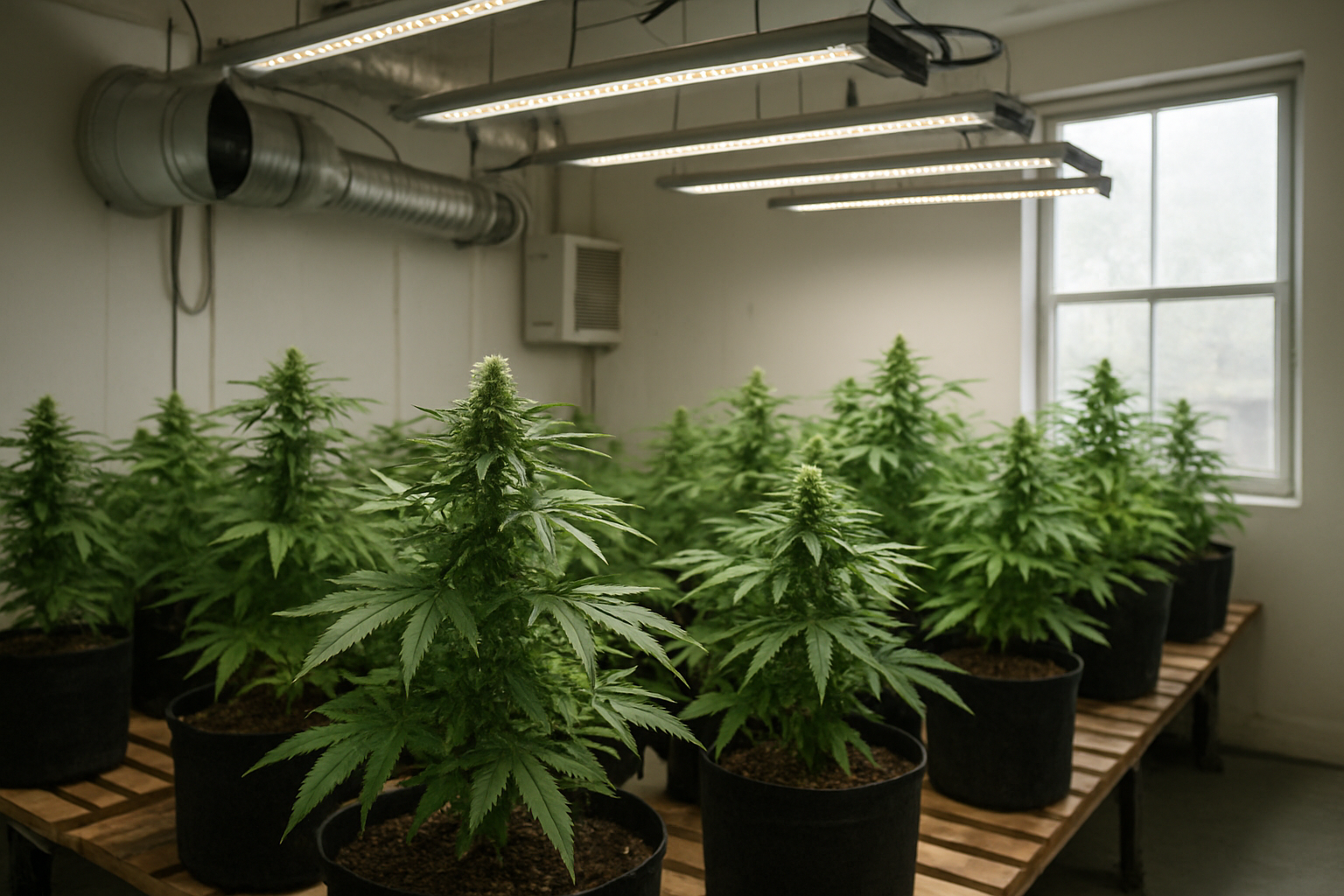
In the legal cannabis industry, "small batch" has emerged as a frequently used term that producers employ to convey artisanal quality and careful cultivation practices. Cannabis brands typically use this phrase to suggest that their products receive more individualized attention during the growing, harvesting, and processing stages. The term appears prominently on product packaging, marketing materials, and brand messaging as companies attempt to differentiate themselves in an increasingly competitive marketplace.
However, the reality is that there are generally no clear criteria defining 'small batch' within the cannabis industry, with no federal regulations in the United States establishing specific parameters for its use. This lack of standardization means that what one cultivator considers a small batch may differ significantly from another's interpretation, creating an environment where the term can be applied quite liberally across various production scales.
What small batch describes and what it does not
The core issue surrounding "small batch" in cannabis is the lack of a universal definition, leading to broad interpretation by brands across the industry. While the term generally implies limited production quantities and enhanced quality control measures, it does not guarantee specific cultivation methods, particular plant counts, or defined facility sizes.
This variance can cause confusion for consumers seeking authentic, high-quality cannabis products. Some producers may apply the term to relatively large operations that simply segment their harvest into smaller processing runs, while others might reserve it for truly limited cultivation efforts involving just a few plants. Without standardized metrics such as maximum plant counts, facility size restrictions, or specific cultivation techniques, the term remains subjective and open to interpretation.
Why the phrase is not officially defined in New York
Due to the fact that there is no clear standard established by regulatory bodies, the term “small batch” does not carry a single, regulated meaning within New York’s legal cannabis market. The state’s regulatory framework focuses primarily on licensing, safety testing, labeling, and compliance requirements, rather than defining production terminology related to batch size or cultivation approach. As a result, “small batch” functions as a descriptive phrase rather than a formal classification, and its meaning can vary depending on how a producer describes their process.
At Treehouse Cannabis, education plays an important role in helping bring clarity to terms like this. To support that effort, Treehouse is releasing a new educational video series this week focused on small batch cannabis. The series will highlight different licensed New York producers and explore how each one uses the term, how their production runs are organized, and how batch information, testing, and traceability are documented. These videos will be available across Treehouse’s social channels, making it easy to follow along and continue learning as new episodes are released.
What Happens Behind the Scenes of a Small Batch Cannabis Run
How cannabis is grouped and tracked during production
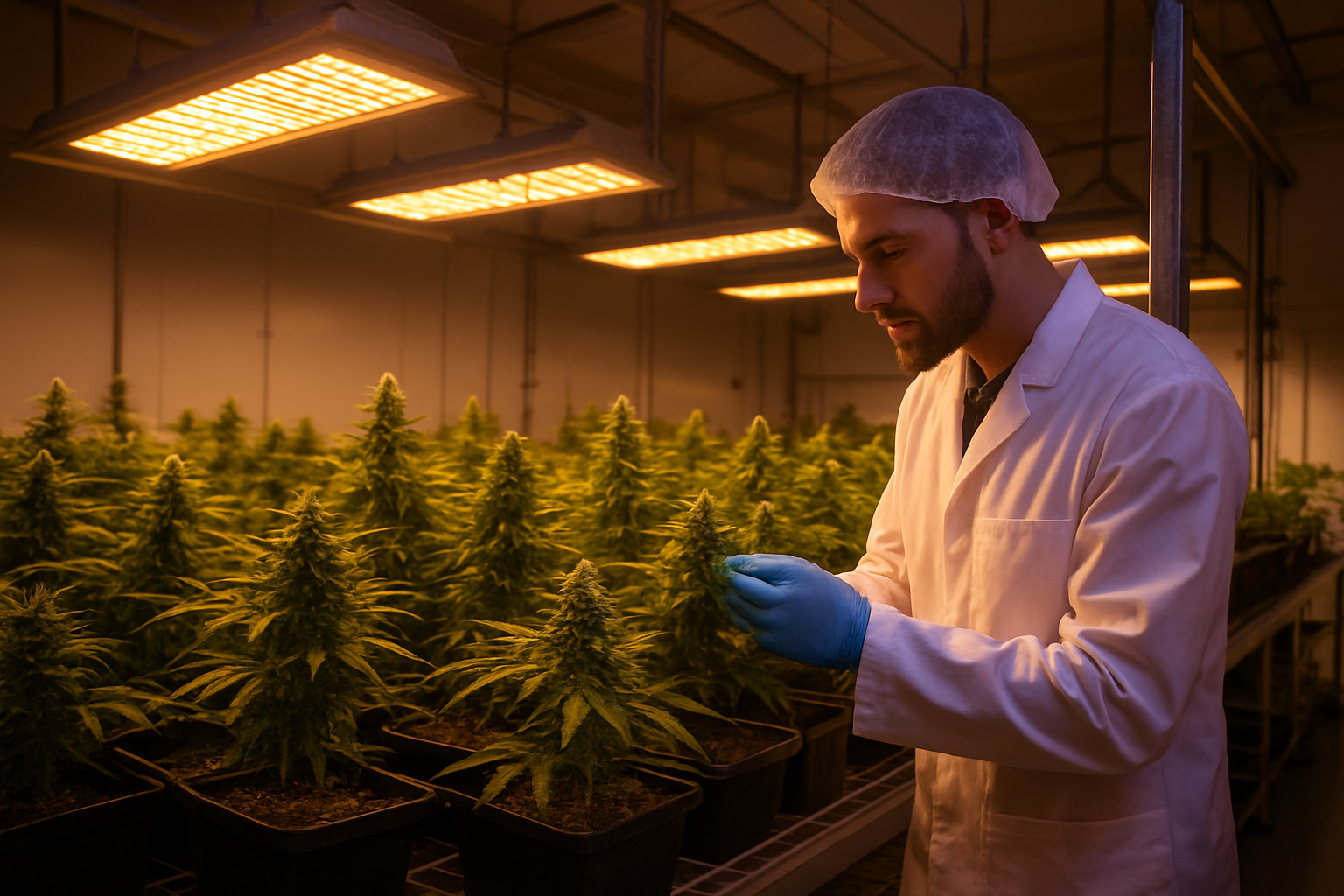
Cannabis cultivation and processing facilities organize their production runs using sophisticated tracking systems that monitor plants from seed to sale. During a small batch cannabis run, cultivators typically group plants based on specific criteria such as strain genetics, cultivation methods, harvest dates, and environmental conditions. Each batch receives a unique identifier that follows the product through every stage of processing, from initial cultivation through trimming, curing, testing, and packaging.
The tracking process involves detailed documentation of cultivation parameters including lighting schedules, nutrient regimens, environmental controls, and harvest timing. This granular level of monitoring allows producers to maintain consistency within each batch while identifying optimal growing conditions. When plants are harvested, they're processed together as a cohesive unit, ensuring that all flower within a single batch shares similar characteristics and quality attributes.
What smaller batch sizes often look like in practice
Now that we understand how tracking works, looking at real-world batch sizes can help add useful context. In New York’s legal cannabis market, smaller batch production can look very different depending on the size and structure of a cultivation operation. Some licensed New York producers use the term to describe more limited cultivation runs, where a smaller group of plants is grown, harvested, and processed together under closely monitored conditions. Brands such as 518 Hollow, Roemer Farms, and other New York based producers often reference batch size, harvest timing, or production details as part of how they describe their process. These examples highlight how “small batch” is used to communicate production approach rather than a fixed or regulated standard.
Moderate-scale operations that use the term “small batch” may work with a wider range of plant counts, depending on how their cultivation and processing systems are structured. In some cases, batches may include several dozen plants harvested and processed together, while other facilities may group a larger number of plants into a single tracked batch. Even within New York’s regulated market, there is variation in how producers define batch size internally, with some applying the term to more expansive production runs that are still managed as a single, traceable unit. This range of approaches reflects how the meaning of “small batch” continues to evolve without a fixed standard, reinforcing the importance of context when interpreting the term.
Why traceability is an important part of the process
With this understanding of batch sizing, the critical importance of traceability becomes evident in maintaining product integrity and regulatory compliance. Comprehensive tracking systems enable producers to identify the exact source of any quality variations or issues that may arise during cultivation, processing, or consumption. This level of detailed documentation allows cultivators to replicate successful growing conditions for future batches while quickly addressing any problems that emerge.
Traceability also serves essential regulatory functions, enabling authorities to track cannabis products through the entire supply chain and ensuring compliance with local and state regulations. When quality control issues arise, robust tracking systems allow producers to quickly isolate affected products and implement targeted recalls if necessary, protecting both consumers and the broader cannabis market's reputation.
How to Find Small Batch Information on Cannabis Packaging
Where batch and lot details are typically listed
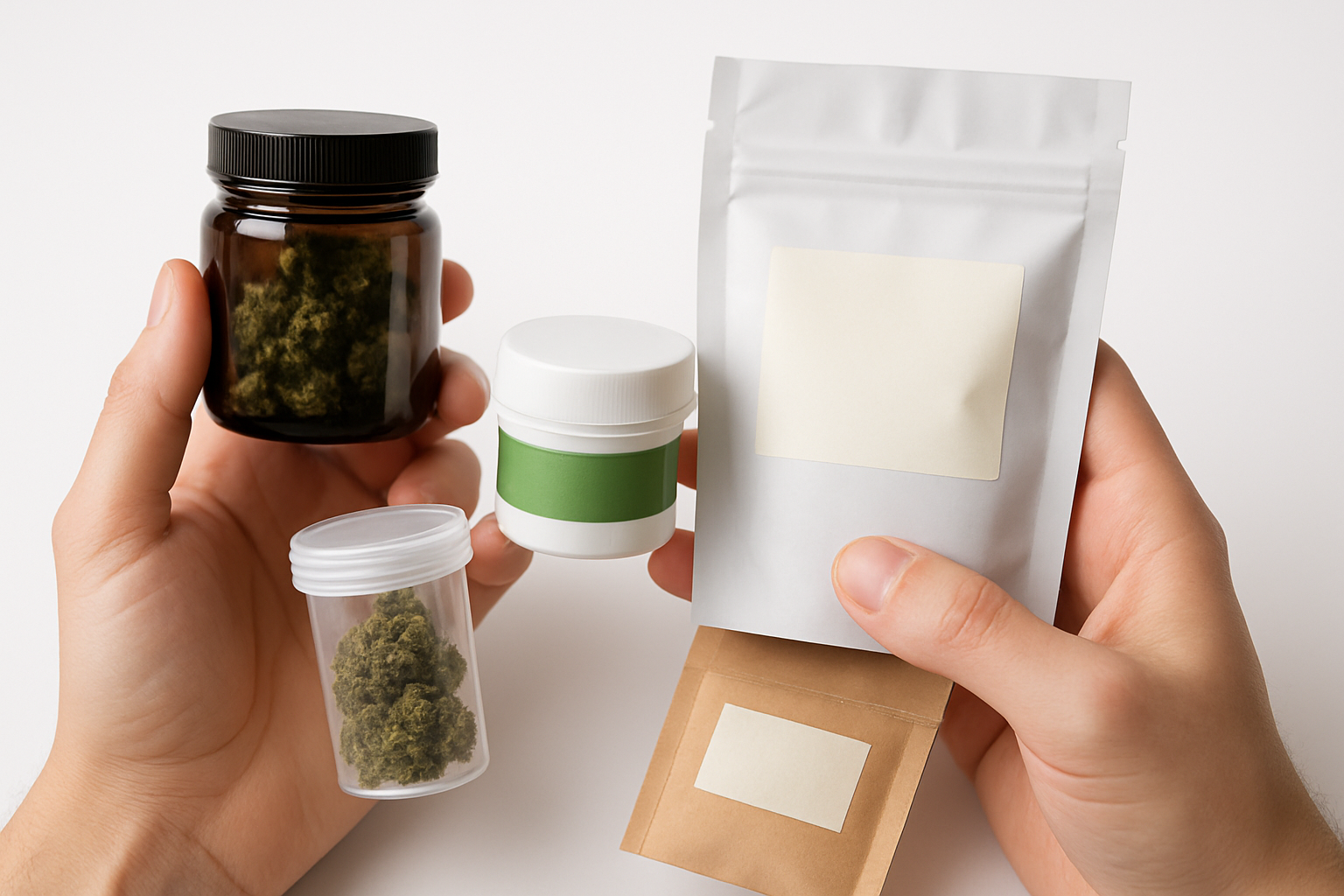
Cannabis packaging follows strict regulatory requirements that mandate clear identification of each production batch. You'll typically find batch and lot numbers prominently displayed on the primary label, often near the product name or within a dedicated information panel. These identifiers serve as the direct connection between your specific cannabis product and the small batch production run it originated from.
Most licensed cannabis products feature batch information in multiple locations - on the main product label, compliance stickers, and sometimes on secondary packaging materials. The batch number is usually alphanumeric, consisting of letters and numbers that correspond to specific production dates and facility codes. This systematic approach ensures that each small batch maintains its distinct identity throughout the supply chain, reflecting the greater control and attention to detail that defines authentic small batch production.
How lab testing connects products to specific batches
Laboratory testing creates an unbreakable chain of custody between your cannabis product and its original small batch. Each batch undergoes comprehensive testing before reaching consumers, with results directly tied to the specific batch identifier found on your packaging. This connection ensures that the meticulous attention to detail invested in small batch production is verified through scientific analysis.
Testing certificates, which are often accessed through QR codes or batch lookup systems, provide detailed information tied to a specific production run, including cannabinoid data, terpene analysis, and required safety screening results. These terpene profiles connect closely with ongoing cannabis education, such as Treehouse’s blog series exploring individual terpenes like limonene and myrcene, which break down how these compounds appear across different cultivars and production batches. When viewed alongside batch and lot information, testing data helps illustrate how chemical profiles are documented and tracked within New York’s regulated cannabis system. This process supports transparency by showing how each batch is tested, recorded, and connected to the information presented on packaging.
Why clear labeling helps build understanding
Transparent labeling practices enable consumers to recognize authentic small batch cannabis products and understand the craftsmanship behind their production. When batch information is clearly presented, it demonstrates the producer's commitment to the deliberate and thoughtful process that defines genuine small batch manufacturing, rather than simply using the term as a word appeal.
Clear labeling supports the intentional craftsmanship philosophy by making the connection between precise production methods and the final product visible to consumers. This transparency allows cannabis enthusiasts to appreciate that their product was never rushed or scaled up for higher output, but instead represents a focused approach where processes remain precise and purposeful throughout the entire production cycle.
Why Small Batch Has Become an Important Term in Legal Cannabis
How the phrase reflects care and intention
Previously, we've explored how small batch production operates in cannabis cultivation. The term "small batch" has evolved beyond a simple production descriptor to become a powerful signal of craftsmanship and intentional cultivation practices. When used correctly, this designation communicates that cultivators have dedicated focused attention to every aspect of the growing process, from seed selection to harvest timing.
The phrase carries inherent expectations of high standards and complex flavor profiles that consumers have come to associate with high quality. In the cannabis industry, this translates to careful phenotype selection, precise environmental controls, and hands-on monitoring throughout the cultivation cycle. Passionate cannabis consumers seek assurance that products are carefully made, not just branded as special, making the authentic use of "small batch" crucial for maintaining trust.
Why education helps people feel more confident
With that context in mind, education becomes an important tool for understanding how terms like “small batch” are used in New York’s legal cannabis market. At Treehouse Cannabis, education is a consistent focus, including ongoing in-house video series like "Know Your Roots" and "Terp Talk Tuesday" featuring their education lead Greg. These videos are designed to break down cannabis terminology, labeling details, and production concepts in an approachable way. These educational resources are meant to help clarify how regulated cannabis is grown, tracked, and tested, rather than tell people what to choose.
Building on those efforts, as mentioned previously Treehouse is also developing an upcoming video series centered specifically on small batch cannabis. The series will take a closer look at how the term is used, what it can represent within legal production, and how batch information, testing, and traceability fit into the larger picture. By expanding education across multiple formats, the goal is to make complex cannabis language easier to understand and more transparent within New York’s regulated system.
How New York's regulated market encourages transparency
With this context in mind, New York’s regulated cannabis framework helps bring clarity to how products are labeled and tracked. Rather than focusing on descriptive terms alone, the state’s regulations emphasize licensing, testing, and documentation requirements that support transparency across cultivation and production practices. This regulated structure helps provide consistent information and context, making it easier to understand how cannabis products move through the legal market.
This regulatory approach emphasizes transparency by requiring detailed product information and cultivation data to be documented and made accessible. By linking labeling, batch identification, and testing results, the framework helps clarify how terms like “small batch” relate to recorded production practices. When these transparency measures are applied consistently, they provide context for how cannabis is produced and tracked within New York’s regulated market, supporting clearer understanding of how production information is communicated.
The term “small batch” in cannabis does not have a single, universal definition or a specific regulatory standard attached to it. Because of this, the phrase can take on different meanings depending on how a producer describes their cultivation and production process. Understanding what happens behind the scenes of small batch production, how batch information appears on packaging, and how the term fits within New York’s regulated cannabis framework helps provide helpful context when encountering it in the legal market.
At Treehouse Cannabis, education plays an important role in helping make sense of cannabis terminology like “small batch.” Through ongoing educational videos and an upcoming video series focused specifically on small batch cannabis, Treehouse aims to break down how these terms are used, what they can represent, and how they connect to labeling, testing, and traceability. By focusing on clear explanations and transparent information, the goal is to make cannabis language easier to understand within New York’s regulated system.


Shop our products

Shop All

Flower

Pre-rolls

Vaporizers

Edibles
Drinks

Concentrates
Tinctures

Topicals

CBD

Pet CBD

Accessories