
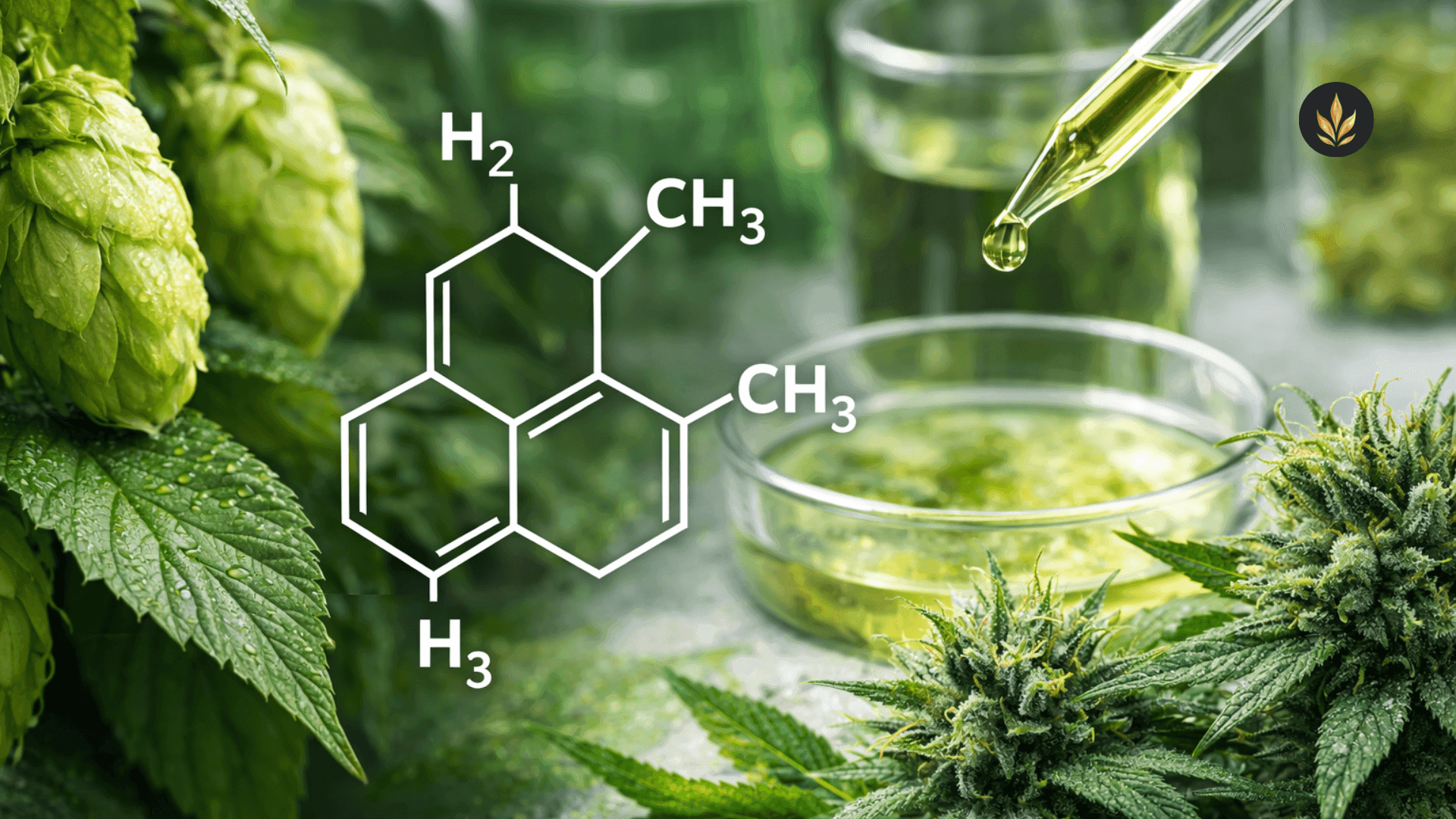
Meet Humulene: Nature’s Peppery Scent Hiding in Your Favorite Plants
What Is Humulene and Why Does It Show Up in Herbs, Black Pepper, and Cannabis?

Written by
Treehouse Cannabis
What Is Humulene and Why Does It Show Up in Herbs, Black Pepper, and Cannabis?
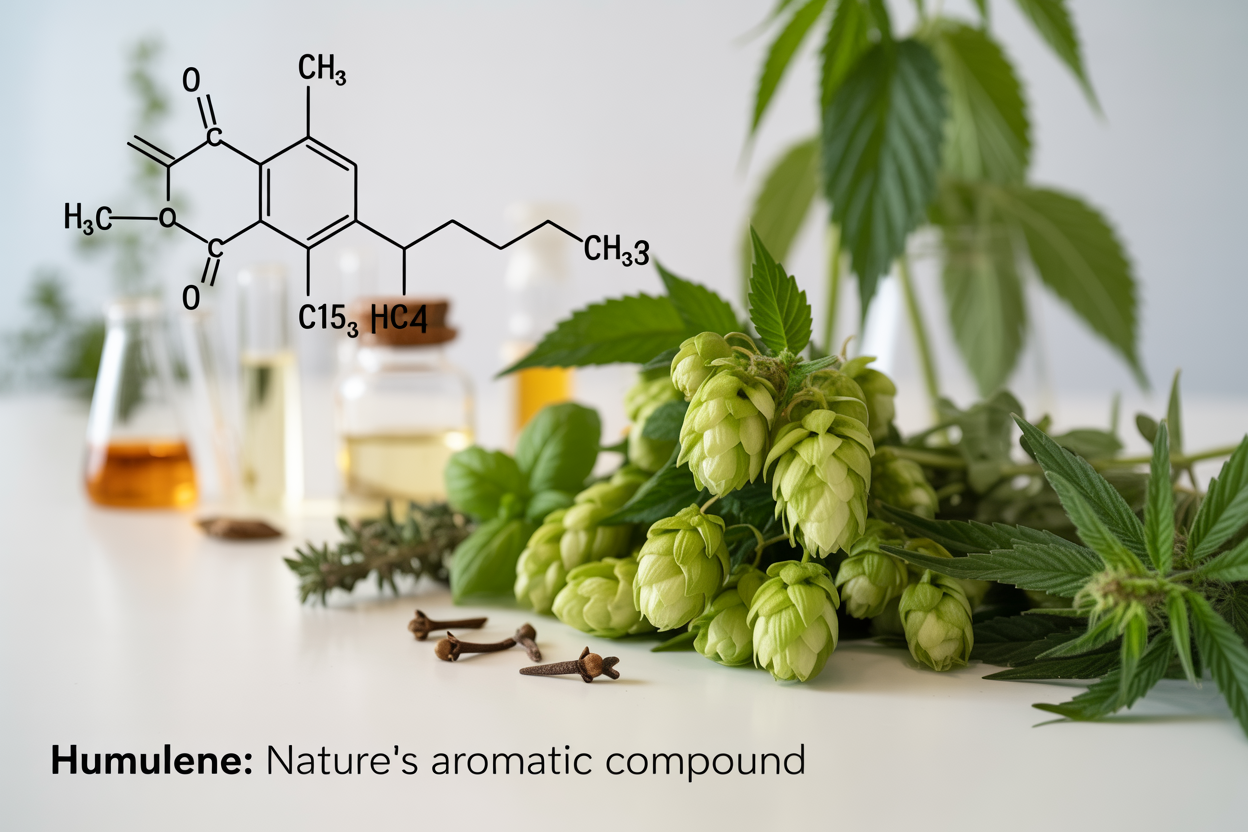
Humulene is a natural compound that gives plants their earthy, woody aromas—and it's everywhere you might not expect. This terpene shows up in hops (where it gets its name), cannabis, black pepper, basil, ginseng, and sage, creating the spicy, herbal scents you notice in craft beers and certain cannabis strains.
This guide is for curious adults who want to understand what humulene actually is and why it appears in so many different plants. We'll break down how humulene works as a natural botanical compound, explore the everyday plants where you'll find it naturally, and look at how this terpene shapes the distinctive aromas in cannabis and other herbs you encounter.
Understanding Humulene as a Natural Botanical Compound
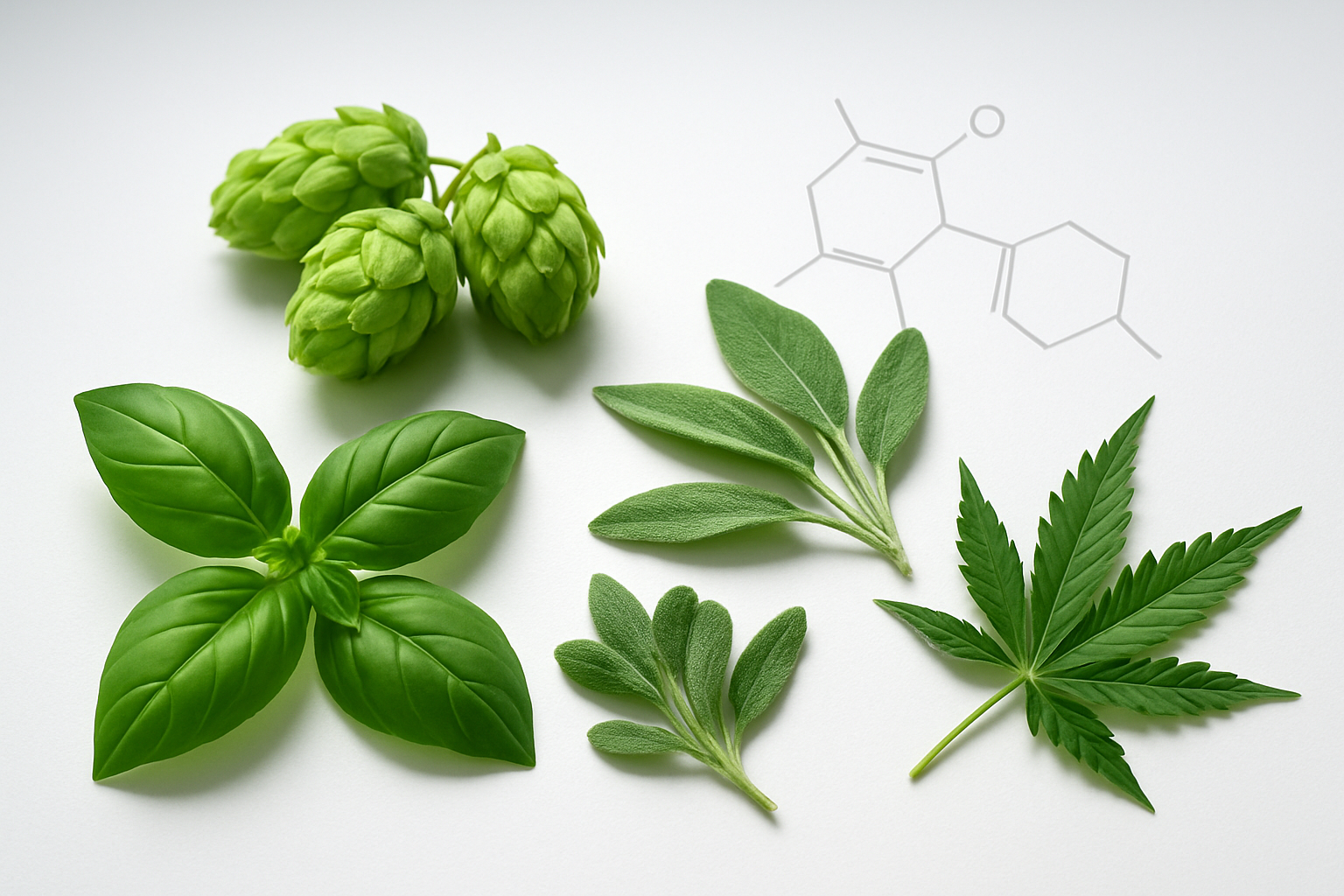
A terpene found in hops, herbs, spices, and cannabis
Humulene, also known as alpha-humulene, belongs to a class of natural aromatic compounds called sesquiterpenes. This botanical terpene is notable for its presence across a wide range of plants, making it one of the more widespread aromatic compounds found in nature.
Humulene appears in several familiar herbs, spices, and botanicals, creating a shared aromatic signature across different plant families. Some of its most common natural sources include:
Hops (Humulus lupulus) where humulene is a defining aromatic component
Cannabis where it helps shape certain cultivars’ earthy, herbal scent profiles
Black pepper contributing to its warm, spicy aroma
Basil adding depth to the herb’s distinctive fragrance
Ginseng present in the plant’s natural aromatic makeup
Sage appearing in various culinary and aromatic sage species
Despite the similarity in name, humulene is not the same as humulone (a compound found in hops). This distinction underscores how diverse plant chemistry can be, even among molecules with related names.
Why humulene is known for its earthy, woody, and slightly bitter aroma
Humulene carries a recognizable aromatic profile that shows up consistently across many of the plants that produce it. This sesquiterpene is closely associated with earthy notes, which give certain herbs and botanicals a natural, soil-like depth. Its woody character adds another layer of richness, often compared to the scent of dried herbs or forest vegetation.
The subtle bitterness associated with humulene further rounds out its aromatic identity. This quality is especially noticeable in hops, where humulene contributes to the familiar scent and flavor characteristics found in many beer styles. The bitterness isn’t sharp; instead, it adds complexity that complements the other natural compounds present in the plant.
How humulene develops in plants through natural biosynthesis
Humulene develops through natural biosynthesis processes that occur within plant cellular structures. As a sesquiterpene, it forms through the plant's metabolic pathways, where specialized enzymes catalyze the formation of this complex aromatic molecule. The biosynthesis represents the plant's natural ability to create these sophisticated chemical compounds as part of their evolutionary adaptation and survival mechanisms.
This natural production process varies among different plant species, contributing to the unique aromatic signatures that distinguish one botanical source from another, even when they share common terpene compounds like humulene.
Everyday Plants Where Humulene Naturally Appears
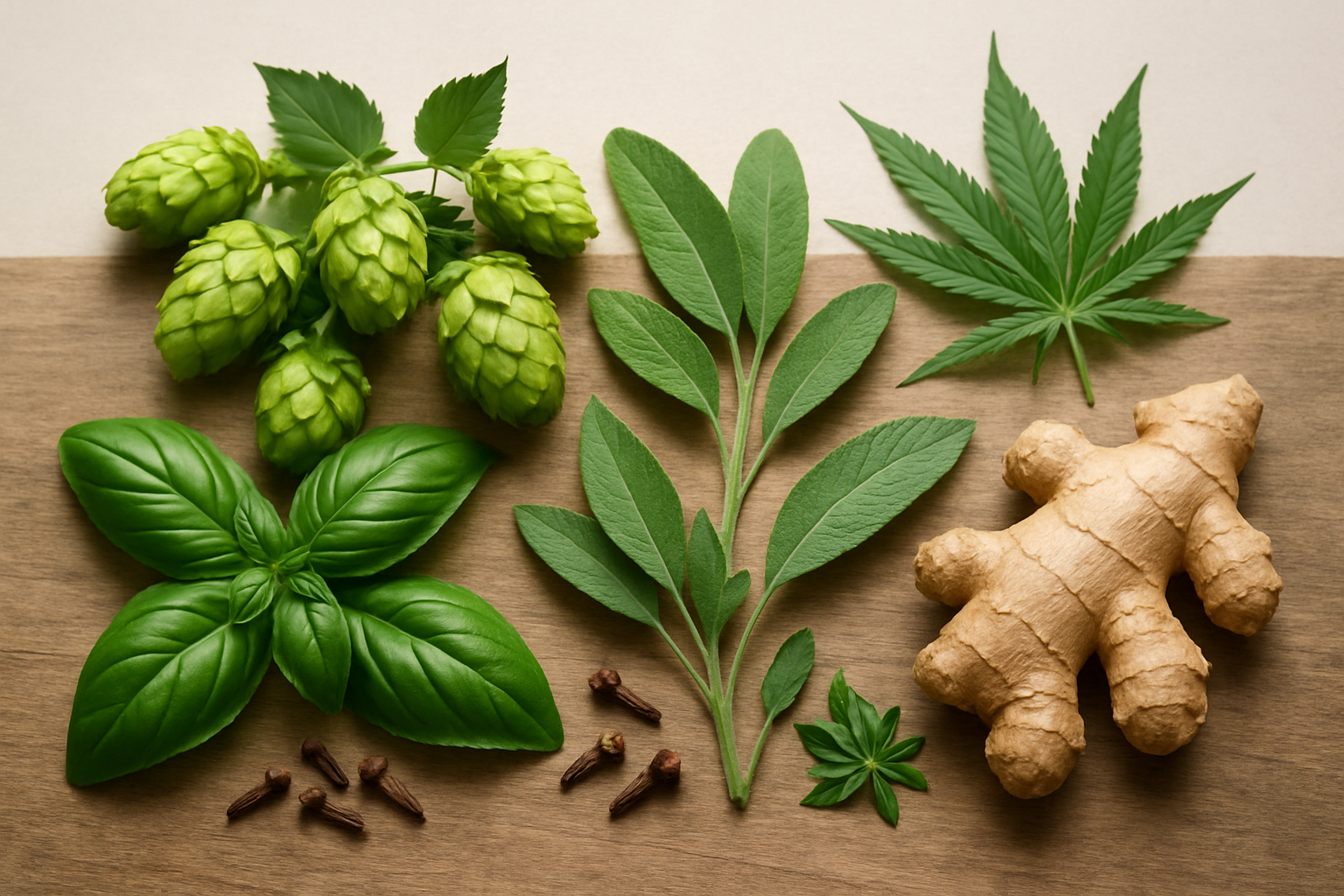
Herbs like basil, sage, and cilantro that share humulene-rich profiles
Your spice rack houses several humulene champions that you probably use every day without knowing their aromatic secret. Fresh basil leaves release humulene when crushed, contributing to that warm, peppery scent that makes Italian dishes sing. The compound works alongside other aromatic molecules to create basil's complex fragrance profile.
Sage takes humulene in a different direction, pairing it with other compounds to produce those earthy, almost medicinal notes that make it perfect for hearty dishes. Garden-fresh sage contains higher humulene levels than dried versions, which explains why fresh herbs always pack more aromatic punch.
Cilantro brings yet another humulene expression to the table. The controversial herb that people either love or hate gets part of its distinctive character from humulene working with aldehydes and other aromatic compounds. Black pepper, cloves, and even ginseng root also contain notable amounts of humulene, each plant using the compound as part of its unique aromatic signature.
Cannabis cultivars known for warm, herbal, and earthy aromatic notes
Cannabis plants showcase some of the most diverse humulene expressions in the plant kingdom. Strains high in humulene typically produce those warm, spicy aromas reminiscent of fresh soil after rain or walking through a pine forest. These cultivars often carry names that hint at their earthy character.
Sour Diesel and Sour OG are examples of strains where humulene plays a starring role in the aromatic profile. The compound blends with other naturally occurring molecules to create complex scent bouquets that can range from woody and herbal to spicy and peppery. Some cultivars lean heavily into humulene's earthy qualities, while others balance it with fruity or floral notes.
Growing conditions significantly impact humulene development in cannabis plants. Outdoor cultivation often produces higher humulene levels compared to indoor growing, possibly due to environmental stressors that encourage the plant to produce more aromatic compounds. Harvest timing also matters - plants harvested at peak maturity typically show the most developed humulene profiles.
How Humulene Shapes Aromas in Cannabis and Other Plants
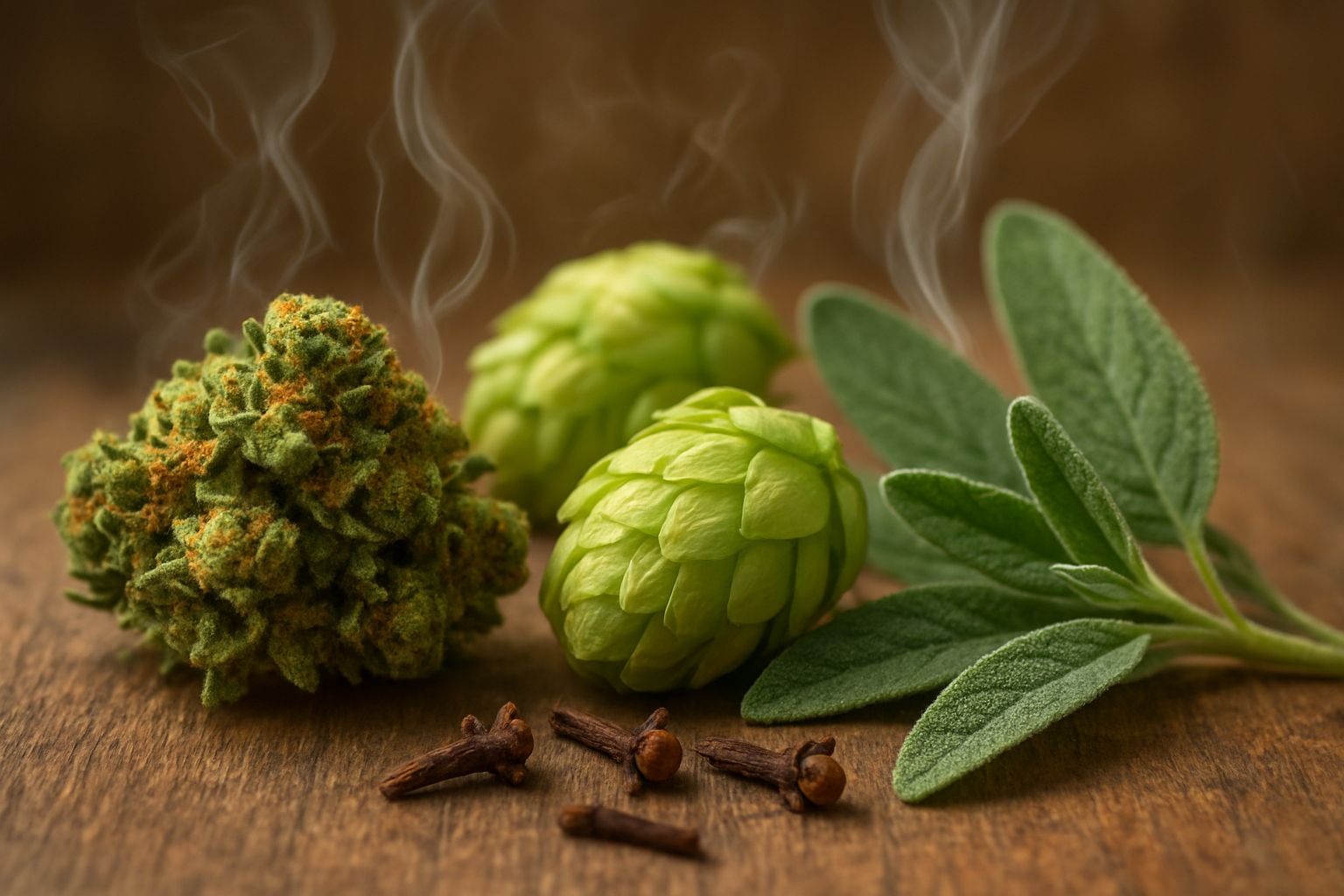
The woody, herbal scent qualities commonly linked to humulene
Humulene delivers a distinctive earthy signature that many people recognize without even knowing they're smelling this specific compound. Picture the fresh, woody scent that hits you when crushing dried basil between your fingers, or the earthy, herbal aroma that comes from cannabis flower. That's humulene at work, creating its characteristic dry, herbaceous profile that feels both grounding and invigorating.
The compound produces what aromatherapy experts often describe as a "green wood" scent—think cedar shavings mixed with dried herbs rather than fresh, wet vegetation. This woody quality sets humulene apart from other plant compounds that might smell citrusy, floral, or piney. When you encounter humulene-rich plants, you'll notice the aroma has substance and depth without being overwhelming or sharp.
Cannabis strains high in humulene often carry this unmistakable herbal backbone that balances out sweeter or more pungent notes. The scent tends to linger pleasantly without being cloying, creating what many describe as a "clean" aromatic experience. This quality makes humulene particularly valued in plants used for both culinary and aromatic purposes, as it adds complexity without competing with other fragrance elements.
How humulene interacts with other terpenes like caryophyllene and pinene
Humulene rarely works alone in nature—it teams up with other aromatic compounds to create the complex scent profiles we experience in plants. When paired with caryophyllene, humulene's woody notes get a spicy kick, creating the kind of robust aroma you'd find in black pepper or cloves. This combination appears frequently in cannabis strains that smell both earthy and warm, with each compound amplifying the other's natural characteristics.
Pinene brings a completely different dynamic to the mix. While humulene provides the woody foundation, pinene adds bright, resinous top notes that remind you of pine needles or rosemary. This pairing creates what many describe as a "forest floor" aroma—that rich, complex scent you encounter during a hike through evergreen woods where fallen branches mix with aromatic herbs.
The magic happens in the ratios. When humulene dominates, the woody character takes center stage with other compounds playing supporting roles. But when caryophyllene or pinene levels rise, they can transform humulene's earthiness into something more dynamic. A strain with equal parts humulene and pinene might smell like a spice cabinet, while one leaning heavily toward humulene could remind you more of a woodworking shop filled with cedar and oak.
These interactions create what chemists call synergistic effects, where the combined aroma becomes greater than the sum of its parts. Understanding these partnerships helps explain why two plants with similar humulene content can smell completely different.
Why similar humulene percentages can smell different based on the whole terpene profile
Two cannabis strains might both test at 0.8% humulene, yet smell nothing alike when you compare them side by side. This apparent contradiction reveals the fascinating complexity of plant aromatics and why focusing on single compounds misses the bigger picture.
The secret lies in the supporting cast of aromatic molecules surrounding that humulene. Strain A might pair its 0.8% humulene with high levels of limonene and linalool, creating a scent profile that leans citrusy and floral with just a hint of woody depth. Meanwhile, Strain B combines the same humulene percentage with myrcene and caryophyllene, producing an entirely different experience that smells musky and spicy with earthy undertones.
Think of it like cooking—two dishes might contain the exact same amount of oregano, but one paired with tomatoes and garlic smells like pizza sauce, while the other mixed with lemon and olive oil evokes Mediterranean herbs. The oregano percentage tells you nothing about the final flavor experience.
| Humulene Partner | Resulting Aroma Profile |
|---|---|
| Limonene + Linalool | Citrusy woods with floral notes |
| Myrcene + Caryophyllene | Musky spice with earthy depth |
| Pinene + Ocimene | Fresh forest with herbal brightness |
Environmental factors during plant growth also influence how these aromatic partnerships develop. Plants grown in different climates, soils, or lighting conditions might produce the same humulene levels but express dramatically different supporting compounds, creating unique scent signatures even within identical genetic varieties.
This complexity explains why experienced cannabis enthusiasts often trust their noses over lab numbers when evaluating strains, and why wine experts can distinguish between vineyards despite similar grape varieties—the whole aromatic symphony matters more than any single instrument.
Factors That Influence Humulene Levels in Plants
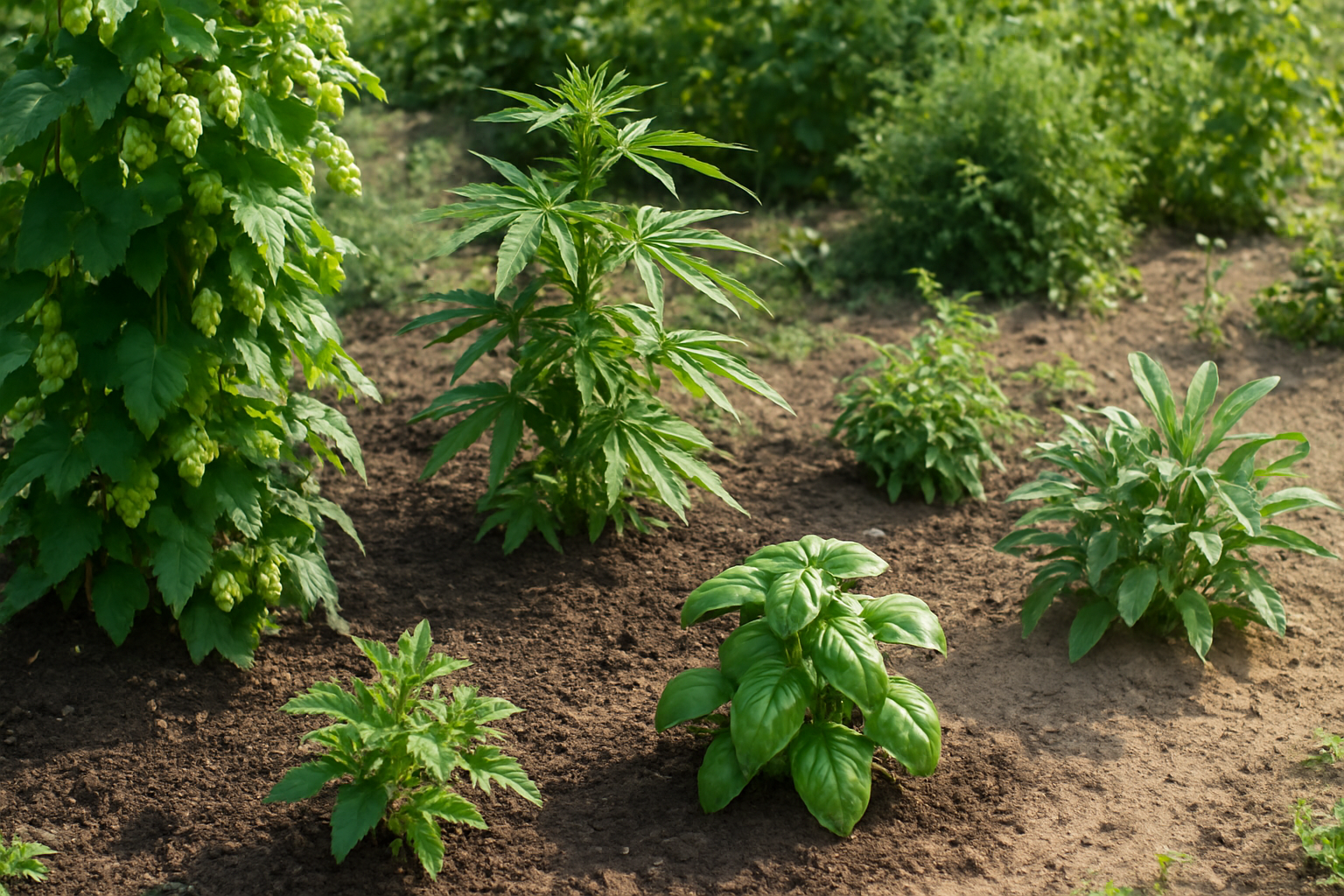
Climate, Temperature, and Seasonal Conditions That Affect Terpene Expression
Environmental conditions play a huge role in how much humulene plants produce. Temperature swings during the growing season can dramatically change terpene levels, with moderate stress often boosting production. Cool nights followed by warm days create ideal conditions for humulene synthesis in many plants, including cannabis and hops.
Humidity levels also matter more than most people realize. Plants grown in slightly drier conditions often develop higher concentrations of humulene as they adapt to protect themselves from moisture loss. However, extreme drought stress can actually reduce terpene production as the plant shifts energy toward survival rather than aromatic compound creation.
Seasonal timing affects humulene expression too. Plants typically ramp up terpene production as they approach maturity, with peak levels often occurring just before full ripeness. This explains why harvest timing becomes so critical for preserving these aromatic compounds.
Light exposure intensity and duration influence humulene development as well. Plants receiving consistent, adequate light throughout their growing cycle tend to produce more robust terpene profiles compared to those grown in low-light conditions.
How Soil Quality, Cultivation Style, and Harvest Timing Impact Humulene Content
Soil composition directly affects a plant's ability to produce humulene. Well-draining soils rich in organic matter provide the nutrients plants need to synthesize terpenes effectively. Clay-heavy or waterlogged soils often result in lower humulene concentrations because roots struggle to access necessary minerals.
Organic growing methods typically yield higher humulene levels compared to conventional approaches. Plants grown without synthetic fertilizers develop more complex root systems that can better absorb the micronutrients essential for terpene production. Living soil ecosystems with beneficial microorganisms also support enhanced aromatic compound development.
Harvest timing makes or breaks humulene preservation. Picking too early means missing peak terpene production, while waiting too long allows these volatile compounds to degrade. The sweet spot usually occurs when plants reach full maturity but before terpenes start breaking down naturally.
Different cultivation styles produce varying results. Indoor-grown plants allow for precise environmental control but may lack the natural stress factors that boost humulene production. Outdoor cultivation exposes plants to beneficial stressors like temperature fluctuations and wind, often resulting in more complex terpene profiles.
Why Drying, Curing, and Storage Can Change Humulene's Aromatic Intensity
Post-harvest handling determines whether humulene survives or disappears entirely. Fast-drying methods using high heat destroy these delicate compounds almost instantly. Slow, controlled drying at temperatures below 80°F preserves much more of the original humulene content.
Proper curing allows remaining moisture to redistribute evenly while maintaining terpene integrity. During this process, some humulene may transform into other aromatic compounds, creating new scent profiles. Rushing this stage by using excessive heat or inadequate humidity control leads to significant terpene loss.
Storage conditions become critical once plants are dried and cured. Exposure to light, heat, and oxygen rapidly degrades humulene. Dark, cool storage areas with minimal air circulation help preserve these aromatic compounds for months rather than weeks.
Container choice matters too. Glass jars with tight-fitting lids protect better than plastic bags or containers. Some growers add humidity control packs to maintain optimal moisture levels during long-term storage, preventing both mold growth and terpene degradation.
Temperature fluctuations during storage cause repeated expansion and contraction that can break down humulene molecules. Consistent storage temperatures, ideally between 60-70°F, maintain aromatic integrity much longer than variable conditions.
How Adults Can Identify Humulene Through Education and Lab Data

Reading terpene percentages on packaging and third-party Certificates of Analysis
Cannabis products in regulated markets often display terpene percentages right on their packaging, making humulene detection surprisingly straightforward. Look for labels that break down individual terpene content - humulene typically appears as a percentage of the total cannabinoid and terpene profile. Most quality products will list humulene alongside other major terpenes like myrcene, limonene, and pinene.
Third-party Certificates of Analysis (COAs) provide even more detailed information. These laboratory reports offer precise measurements of humulene content, usually expressed in milligrams per gram or as a percentage. COAs are typically available through QR codes on packaging or downloadable from dispensary websites. When examining COAs, scan the terpene section for humulene listings - anything above 0.1% indicates a noticeable presence.
Different testing labs may use varying methodologies, so humulene levels can appear slightly different between facilities. However, these variations are usually minimal and won't significantly impact your ability to identify humulene-rich products.
Asking dispensary staff for aroma-focused, label-based information
Knowledgeable dispensary staff can guide you toward humulene-heavy products based on their aromatic characteristics. When speaking with budtenders, describe the earthy, woody, or hoppy scents you're seeking - these descriptors help them identify strains naturally high in humulene.
Ask specifically about strains known for their herbal complexity or beer-like qualities. Many staff members are trained to recognize terpene profiles and can point you toward products that match your preferences. Don't hesitate to request information about specific cultivars that traditionally express higher humulene levels.
Experienced budtenders often maintain mental catalogs of which products consistently test high for particular terpenes. They can also explain how different cultivation methods and harvest timing might affect humulene expression in various batches.
Watching educational series like Treehouse's "Terp Talk Tuesday" with Greg to learn about terpene profiles
Educational content creators have made terpene knowledge more accessible than ever. Series like Treehouse's "Terp Talk Tuesday" break down complex botanical chemistry into digestible segments, helping consumers understand how to identify and appreciate different terpene profiles including humulene.
These programs often feature expert guests who explain the relationship between specific terpenes and plant characteristics. Greg and similar educators demonstrate practical identification techniques, showing viewers how to connect aromatic experiences with scientific data.
Regular viewing builds your terpene vocabulary and sharpens your ability to detect subtle aromatic differences. Many educational series also cover how environmental factors, genetics, and processing methods influence terpene expression, giving you a comprehensive understanding of why humulene levels vary between products and batches.
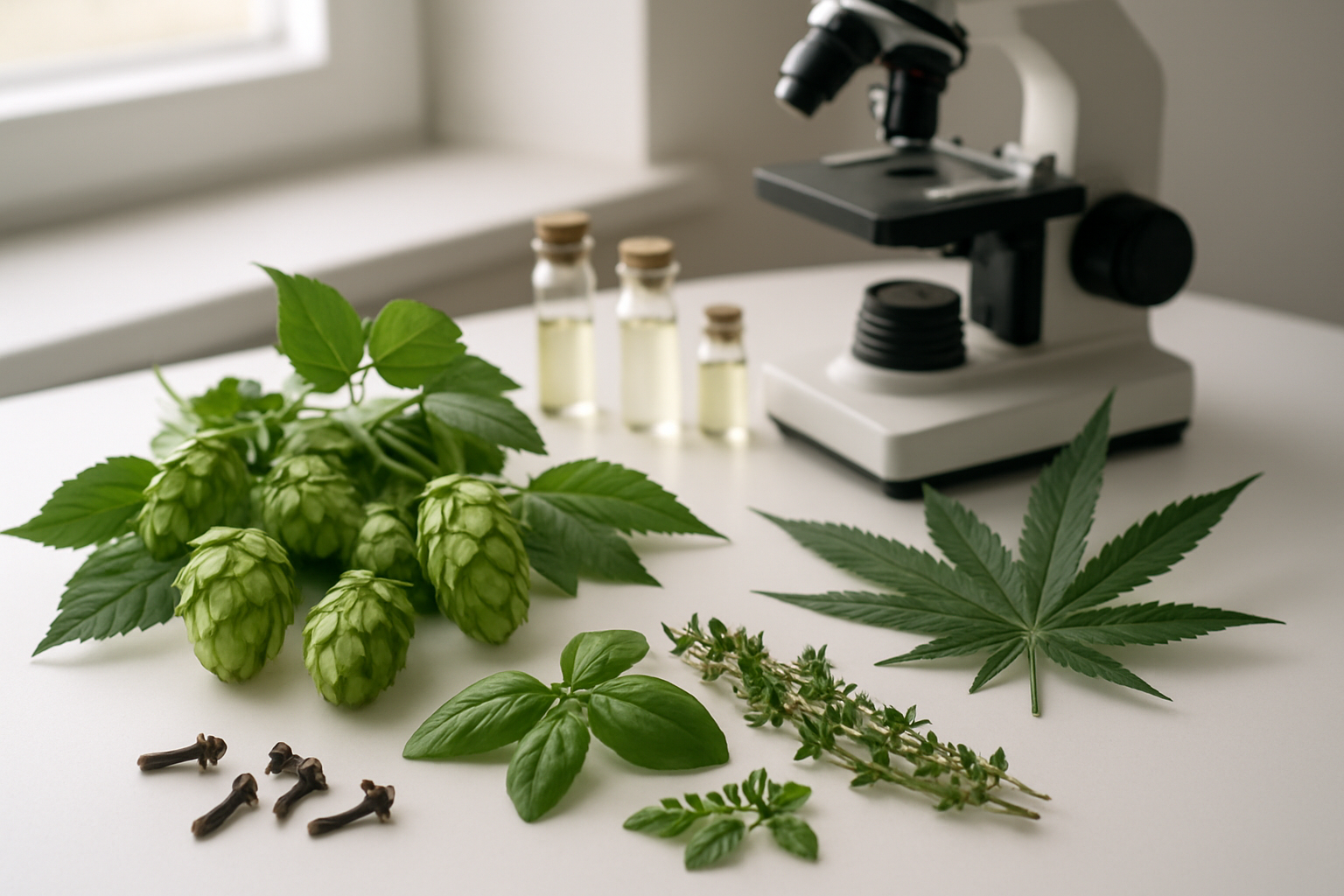
Humulene's presence across hops, cannabis, basil, sage, and other plants demonstrates how this earthy, woody terpene plays a vital role in nature's aromatic landscape. Understanding its distribution helps explain why certain strains and botanical products share similar spicy, herbal characteristics. The concentration of humulene varies significantly based on plant genetics, growing conditions, and harvesting methods, making lab testing and educational resources essential for identifying its presence.
Whether you encounter humulene in a cannabis strain with earthy undertones, or on your food in black pepper, recognizing this terpene's signature woody aroma can deepen your appreciation for plant chemistry. As research continues to explore humulene, staying informed through reliable sources and laboratory data will help you make more educated choices about the botanical products you use.



Shop our products

Shop All

Deals

Flower

Pre-rolls

Vaporizers

Edibles

Drinks

Concentrates

Tinctures

Topicals

CBD

Pet CBD

Accessories